Listen to the audio version of this article (generated by AI).
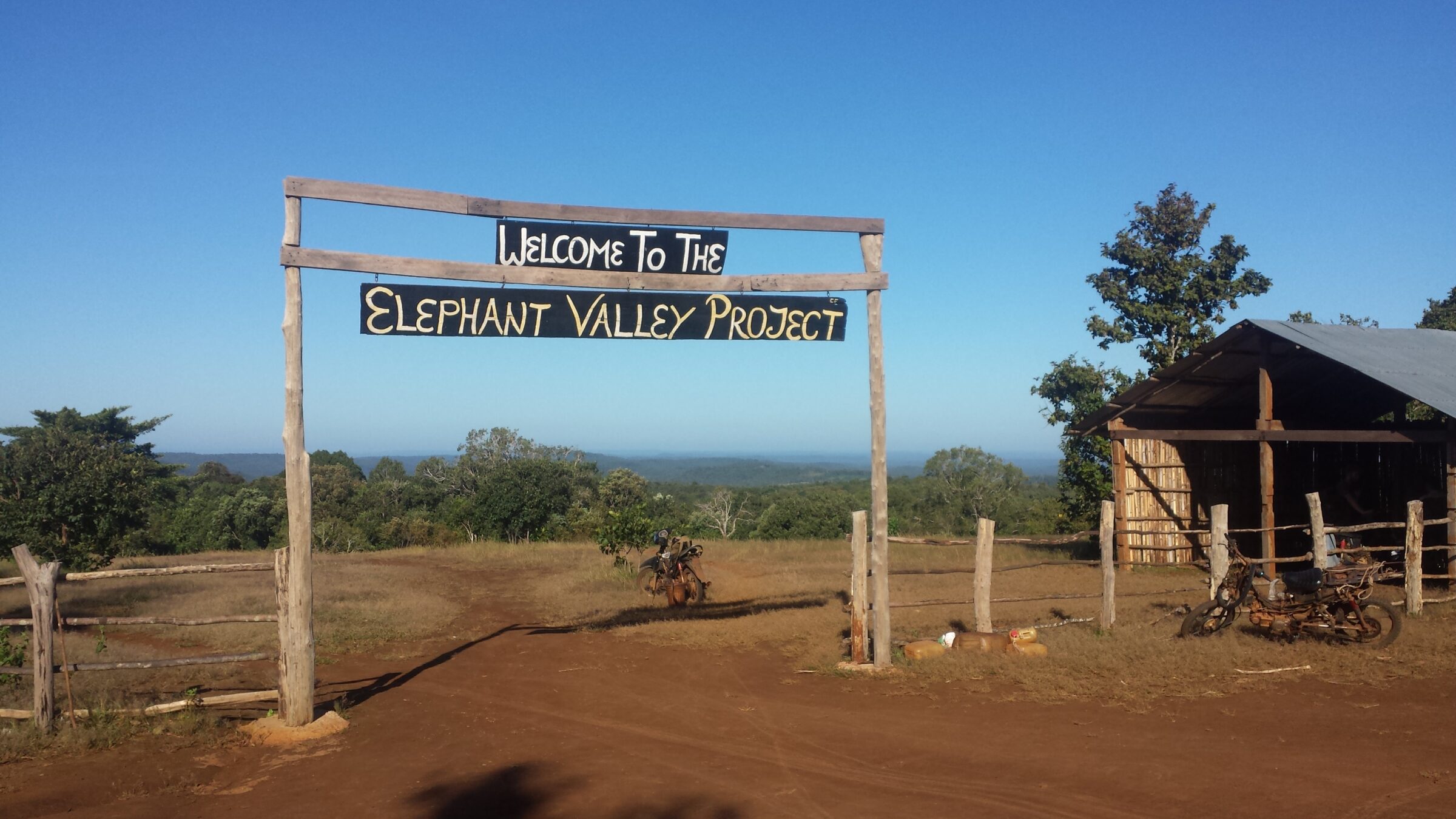
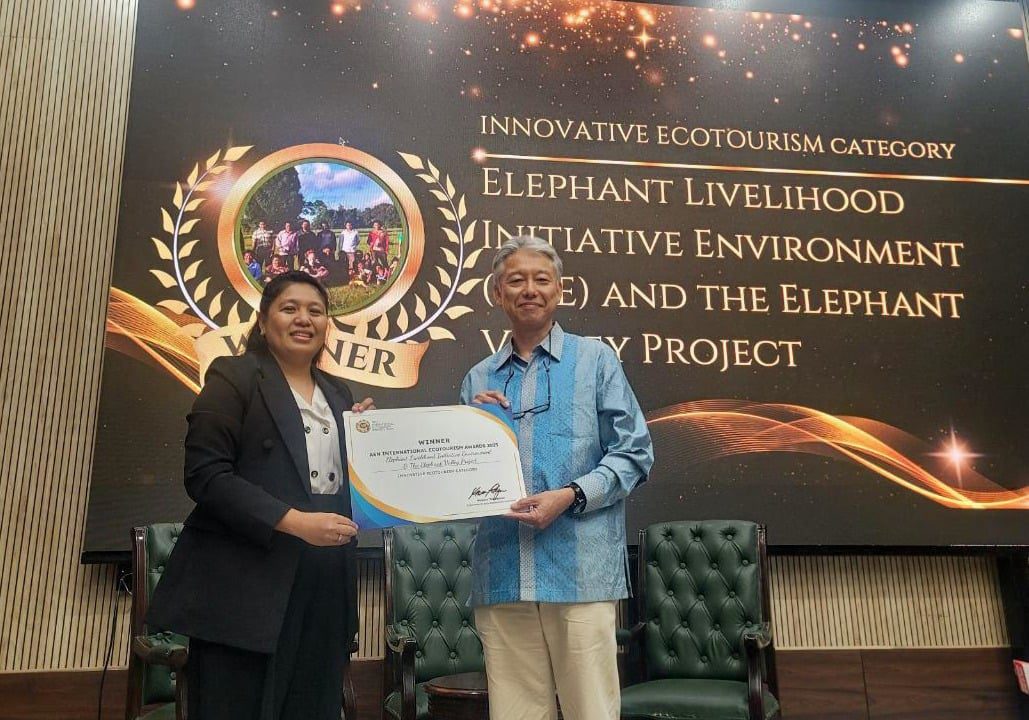
Cambodia’s Elephant Valley Project (EVP) in Mondulkiri has won the 2025 AEN International Ecotourism Award for Innovative Ecotourism, recognizing its ethical approach to elephant care and community-led conservation.
The award, presented by the Asian Ecotourism Network (AEN), recognizes Elephant Livelihood Initiative Environment (ELIE) and its flagship sanctuary, EVP’s long-standing commitment to responsible tourism that protects nature and culture. Founded in 2006, the Mondulkiri-based initiative has become a model for ethical elephant care and community-based conservation in Cambodia.
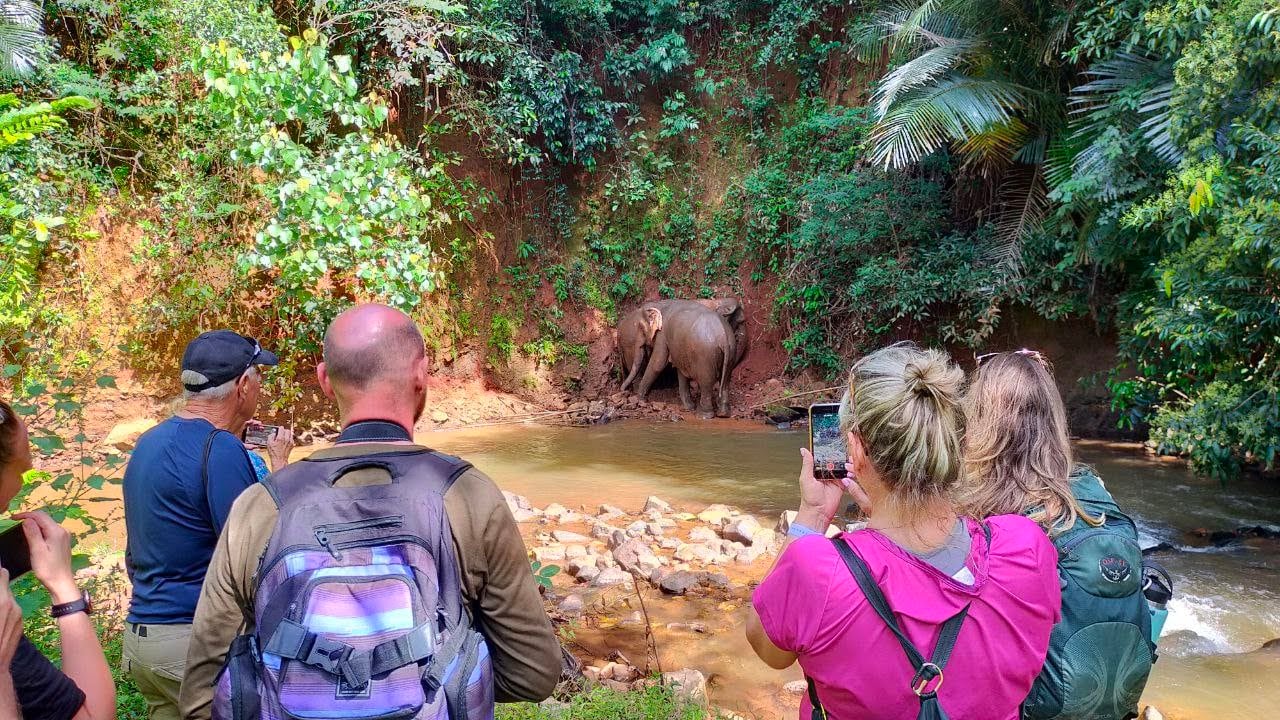
Nestled on the edge of the 300,000-hectare Keo Seima Wildlife Sanctuary, the EVP protects around 1,500 hectares of community forest, where rescued elephants live naturally among Bunong Indigenous-managed woodlands. With seven resident elephants at a time when Cambodia counts fewer than 70 in captivity and only 600 to 800 in the wild, the project contributes significantly to national conservation efforts.
Jemma Bullock, deputy director of ELIE, said they reject riding or performance-based tourism. Instead, EVP offers immersive forest experiences that allow visitors to observe elephants in their natural habitat. The project employs 54 staff, including 47 Bunong community members, underscoring its dedication to Indigenous leadership and shared ownership.
“Winning this award is a great honor for ELIE, our Elephant Valley Project, and the Bunong community who are at the heart of our work. It celebrates nearly 18 years of collaboration in elephant welfare, forest conservation, and community empowerment — proving that a community-led sanctuary in rural Mondulkiri can set an international example for ethical and sustainable ecotourism,” said Bullock.
The Indigenous Bunong community are not just partners, she noted, but co-managers of the sanctuary. Nearly 90% of staff are Bunong, and the forest is on their legally protected communal land. All key decisions are made jointly with the Indigenous Community Committee, ensuring the project stays community-led and sustainable.
The key lesson is that sustainable ecotourism must begin with respecting animals, people, and the environment, Bullock said, pointing out that when EVP began, elephant riding was the norm in Cambodia and across Asia.
There are many other tour options now emerging in Mondulkiri, and across Asia, that are moving away from the traditional elephant riding, but most might still offer close-contact activities like swimming with the elephants, which are not condoned as it is very stressful for the elephants.
“This was our dream when we created the sanctuary 18 years ago; that it would be replicated and more elephants would have a better life and not have to trek with baskets on their back,” Jemma said.
The National Tourism Development Committee is preparing a policy on “Sacred Tourism 2025-2035” to transform potential areas in Cambodia into tourism destinations which attract special and high-quality tourists. Tourism is a key economic pillar to boost growth and improve livelihoods via sustainable, inclusive and resilient tourism growth.
In 2024, Cambodia received 6.7 million international tourists, an increase of approximately 23 percent compared to the same period in 2023. In the first eight months this year, four million international tourists were recorded.
Ly Navin, Director of the Office of Cultural Tourism Development, Community-Based Tourism, Agro-tourism and Poverty Reduction, told CamboJA News that the ecotourism award is a testament to the efforts made by the tourism project to include indigenous communities, increase their income and protect elephants.
He said the national master plan promotes tourism in the provinces, which encourages partner organizations and entrepreneurs to develop small-scale tourist areas in the sanctuaries. The five sanctuaries in Mondulkiri have a lot of potential to attract investment in ecotourism and community-based tourism, including indigenous communities.
However, there are challenges creating more community-based tourism due to indigenous people’s low understanding and the lack of investment partners.
“Most of the time we notice that the communities’ understanding is still limited. They are not actively involved when we create a community or know how it benefits them. Currently, we have five tourism communities, but lack development partners and infrastructure in the area,” said Navin.