
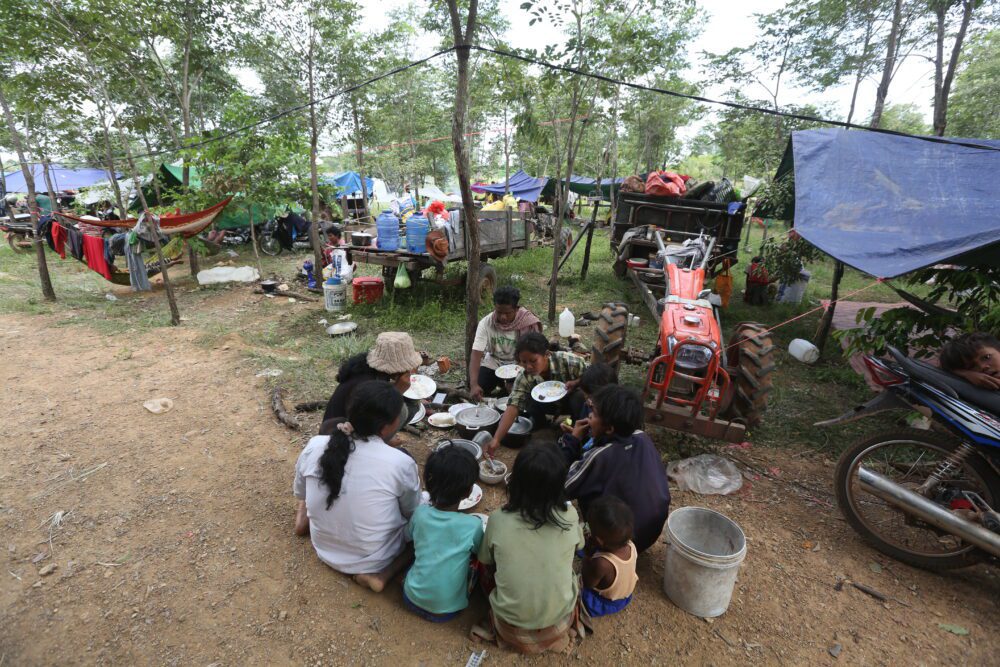
A psychologist said only eight displaced people sought counseling via a hotline number, while research by World Vision Cambodia revealed nearly 300 adults and children experienced trauma due to the five-day border conflict which erupted on July 24.
The mental health of displaced people is increasingly concerning due to continued border tensions, which have caused many to feel scared and doubtful about whether peace and stability can be achieved, according to Transcultural Psychosocial Organization (TPO) deputy director Taing Sopheap.
An 11-page Psychological Safety Assessment Report was conducted by World Vision during the conflict to analyze the psychological impact and identify actionable interventions for displaced people in Cambodia. The research consists of 274 individuals, including 65 children, from three affected provinces, who sought refuge in shelters.
The survey showed that the impact of the conflict was not just physical or economic, but also psychological. About 66% of those surveyed reported “very strong shock” after witnessing bombings and gunfire, and having to evacuate immediately, while more than half described prevailing fear, anger or a “desire for revenge”.
After arriving at the shelter, 56% of the adults said they felt warm and safe, although some 30% interviewed expressed concern about their family members and property. Out of 65 children, 42% reported feeling happy to have adequate meals and books to read, and 29% felt safe due to the care and attention they received.
That being said, many adults and children showed one or more emotional distress symptoms, such as fear, anger, loss of concentration, and anxiety (see table).

Since the deadly clash of artillery attacks and air strikes, 170,000 civilians in five provinces escaped the border to safety, including over 150,000 students, who had no access to lessons.
Sopheap, who is a psychologist, said displaced people are unsure when peace will be restored as the Thai side has allegedly made incursions again on August 13 and 14.
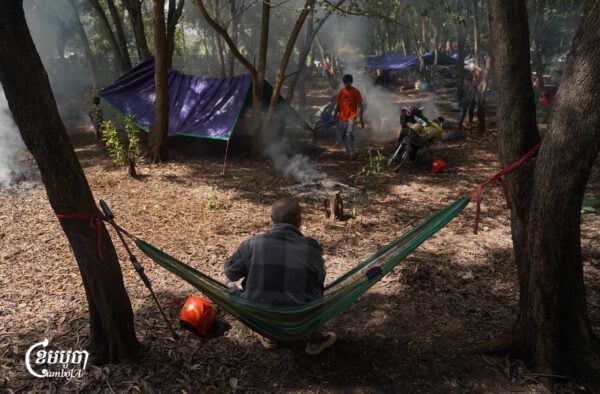
Although people were frightened, they were well-prepared for evacuation to a safe place, but the loss of livelihood contributed to their mental anguish.
“Besides feeling scared and not being able to return home, job and income loss make it difficult for them to stay at the camp. It worsens their emotions, and they are struggling to adapt [to a new place],” said Sopheap.
Children revealed that education and playing materials were their biggest needs, while adults sought rice cookers, food, tents, and other daily essentials during the crisis.
Presently, displaced people are not able to acknowledge their mental health as a priority because they are focused on food for survival, so they are not thinking about their psychological health, Sopheap said. As such, TPO has received minimal calls on the hotline where the number was displayed on banners placed in the affected zones.
“We have only received eight calls on the hotline to date since we put up the banner on July 31,” Sopheap told CamboJA News on Friday.
Mao Hem, 66, from Preah Vihear, said he was not able to return home for a while. When he went back on August 14, he found his dogs had died, which he believes was due to toxic smoke.
“I went back home to see my house yesterday [Thursday] and saw that my plants and dogs had died. I am good as I came back [to the shelter],” Hem said.
Oddar Meanchey Provincial Health Department director Khlok Hout, and Preah Vihear Provincial Health Department director Koung Lo declined to respond.
Chouv Sangeap, Social Affairs, Veterans and Youth Rehabilitation Department head, also declined to comment.
Meanwhile, the World Vision research urged stakeholders to address the mental health impacts of those affected by ensuring immediate access to experts, raising awareness of how to and where to access psychological support, and training government and NGO staff to recognize psychological distress and direct people to the right expert.
The report said peer support during the recovery phase is necessary and child-focused activities and sessions to help children should be conducted.
“Trauma can have long-lasting effects on mental and physical health,” Janes Immanuel Ginting, national director of World Vision Cambodia said. Therefore, it is imperative that ongoing psychological support is provided to the affected people, especially children.
This can be done “whether they remain in the shelter for an extended period of time or return to their home villages”, Ginting remarked.