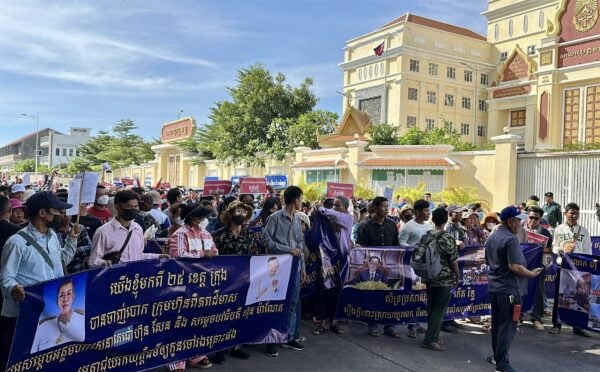

Eight years after being fired from a Korean-owned garment factory in Phnom Penh following their bid to form a union to protect pregnant workers, three women still await justice despite an Arbitration Council and court ruling in their favor.
Authorities have been nearly a decade slow to enforce the ruling as it remains in the bureaucratic backlog.
In 2017, So Chanthea, Keut Sokny and Tep Sreynoeun, workers at CIK Cambodia – which supplies international retailers including Guess, DAIZ and Bonafit – formed a union in response to the company’s practice of dismissing women once they became pregnant.
The organizing led to their termination, after which they filed a complaint with the Labor Ministry. CIK Cambodia claimed the dismissals, which came on the day of or shortly after the union vote, were needed to cut staff amid declining orders.
Despite binding rulings from both the Arbitration Council and the Phnom Penh Municipal Court early in the eight-year legal battle, ordering CIK – which has since transferred factory operations to Mix & Match Garments – to reinstate them with full backpay, the companies have yet to comply. It appealed the reinstatement ruling in 2020 but failed to pay a $20 processing fee, effectively stalling the case for years.
A pending Appeals Court rejection has left enforcement in limbo.
The women meanwhile continue to struggle to find work and say they face stigma from potential employers.
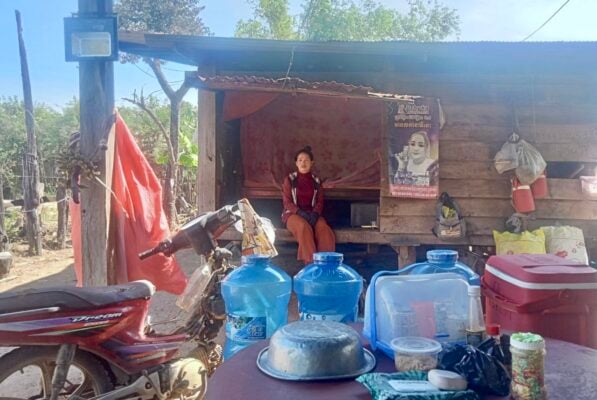
So Chanthea, the worker who played a leading role in unionizing workers, said no factory will hire her because of her activism.
“We have not received any concrete results yet. It has been eight years since I had [full-time] work. When I applied for jobs, they did not accept me,” she said.
Cambodia’s garment industry is the backbone of its formal economy, employing nearly one million people, mostly women. With more than 88% of the country’s workforce in informal jobs, factory work provides some level of benefits.
Chanthea, whose husband shoulders the financial burden of supporting their family and child, is urging the Labor Ministry to intervene again.
“I am still demanding and requesting that the company accept me and pay me my seniority.”
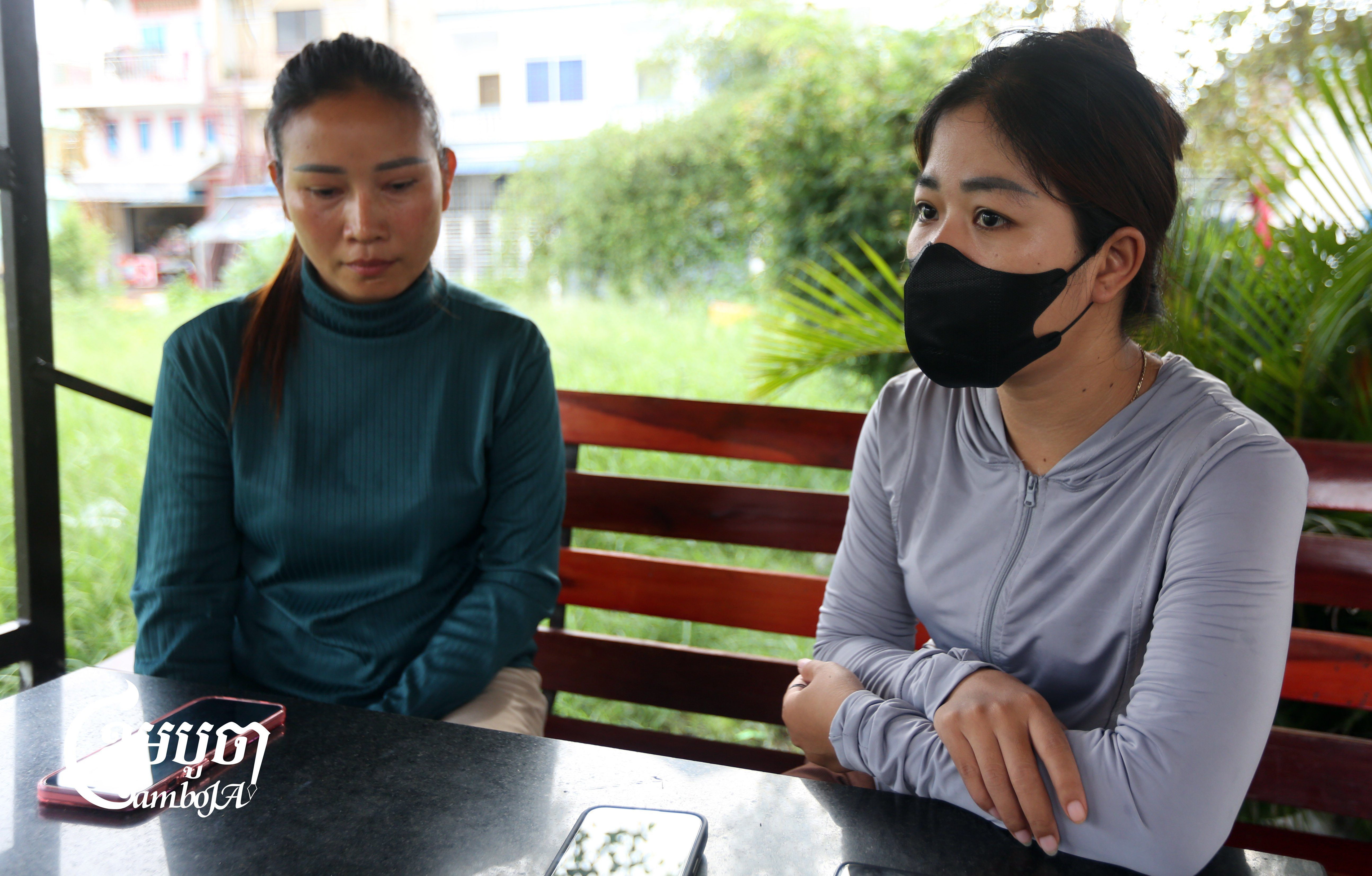
The financial hardship for the other two plaintiffs, Tep Sreynoeun and Keut Sokny, is similar. Both said they continue to struggle to secure factory jobs after being ostracized over their past union efforts nearly a decade ago.
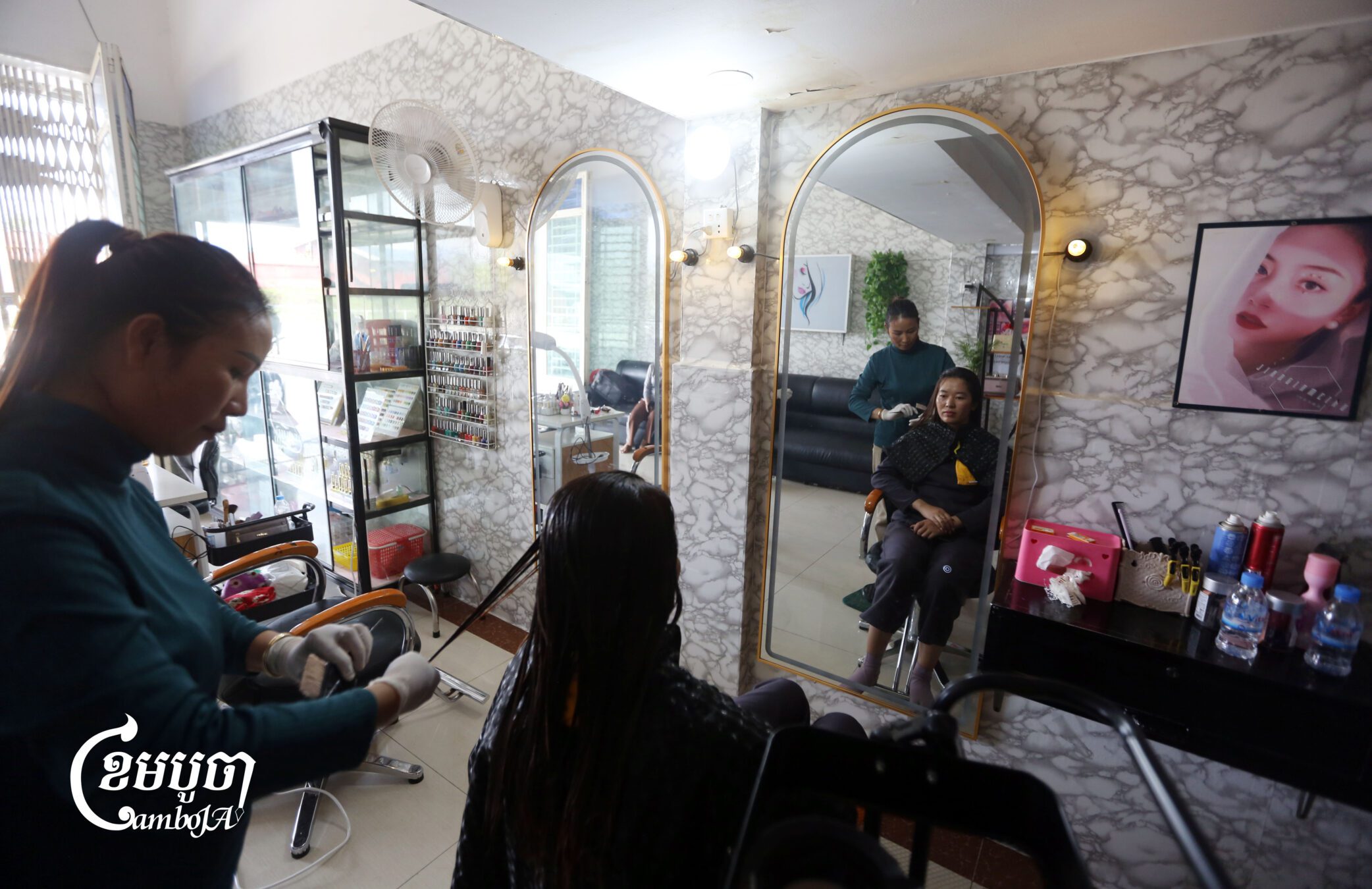
Sokny, who was pregnant when CIK fired her, said her expenses increased due to supporting her child and repaying debts. Sreynoeun now relies on part-time work in a salon, which she said is not stable enough. They too called on the Labor Ministry and other authorities to finally deliver justice.
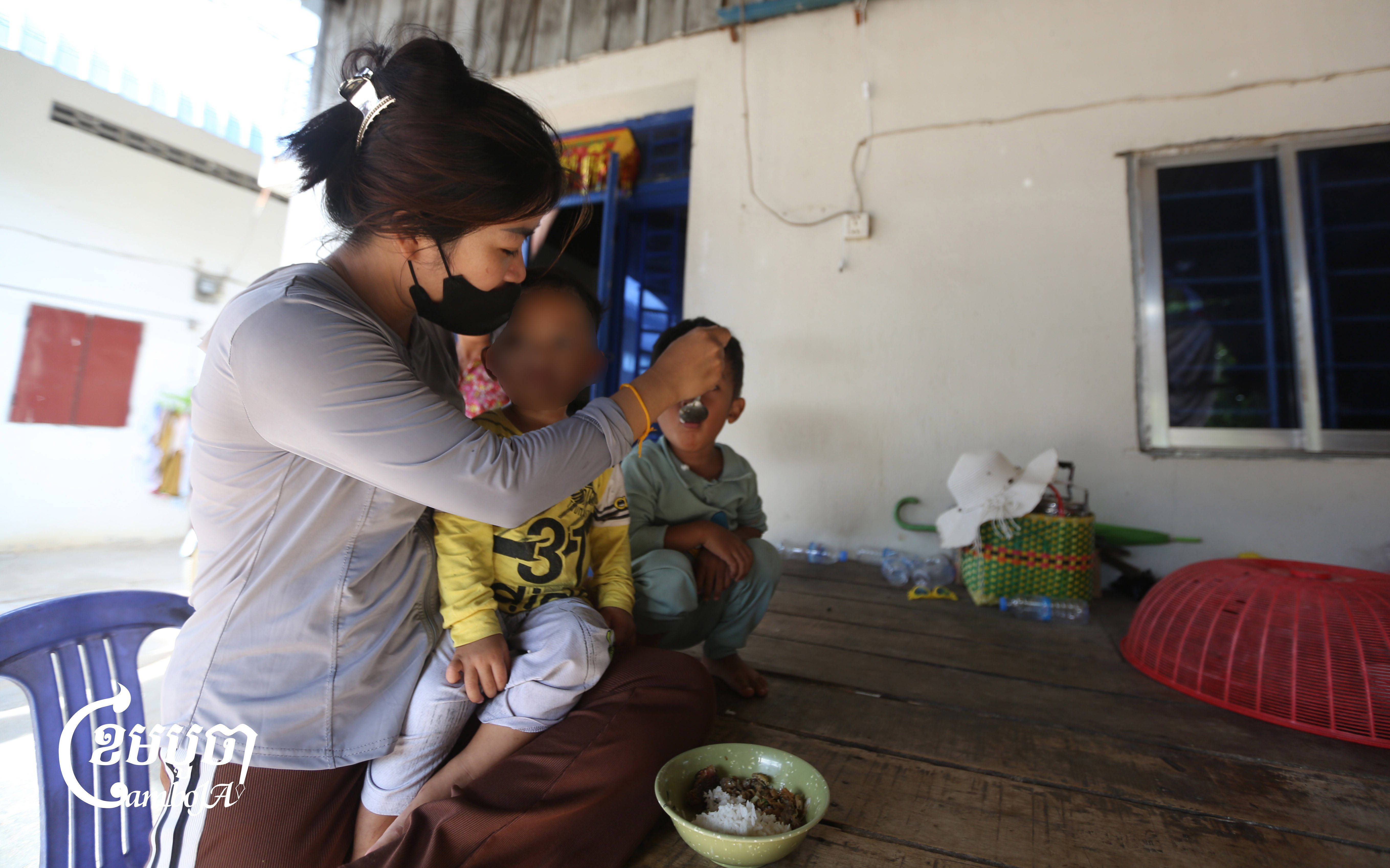
Labor Ministry spokesperson Sun Mesa said that the ministry intends to review the case but did not comment further or provide details on potential enforcement measures.
The phone number listed in the business registry for Lee Sang Bin, chairman of Mix & Match Garments – which now oversees binding compensation and employment for Chanthea and the others after taking over CIK’s operations and staff – was disconnected. Lee Sang also shares the family name of CIK’s deputy director, who in 2019 filed a $100,000 counterclaim against the three workers.
Calls to the listed phone numbers for the current and former CIK board of directors went unanswered.
Khun Tharo, program manager at the local Center for Alliance of Labor and Human Rights (Central), said Mix & Match was aware of the case when it took over in 2021 but did not comply with the court’s decision at the time. Only a small severance payment was given, he said, and the company has since stopped responding to Central’s inquiries.
“It is time for Mix & Match to respect the rulings, comply with the law and end eight years of injustice,” he said.
Tharo could not verify the status of Central’s 2024 request to the Appeals Court president to dismiss CIK’s staggered appeal. He added that the company’s executives should be held accountable by the South Korean government.
In 2024, the Corporate and Human Rights Network, a coalition of Korean civil society groups monitoring corporate human rights violations, visited Phnom Penh to meet with CIK’s management, urging them to implement the court’s ruling. Executives reportedly ignored these requests.
The South Korean Embassy in Phnom Penh did not immediately respond to a request for comment.
The Business and Human Rights Resource Center, an international watchdog that tracks corporate accountability, is now seeking responses from the indicated buyers DIAZ, Bonafit and Guess on the matter, it told CamboJA News.