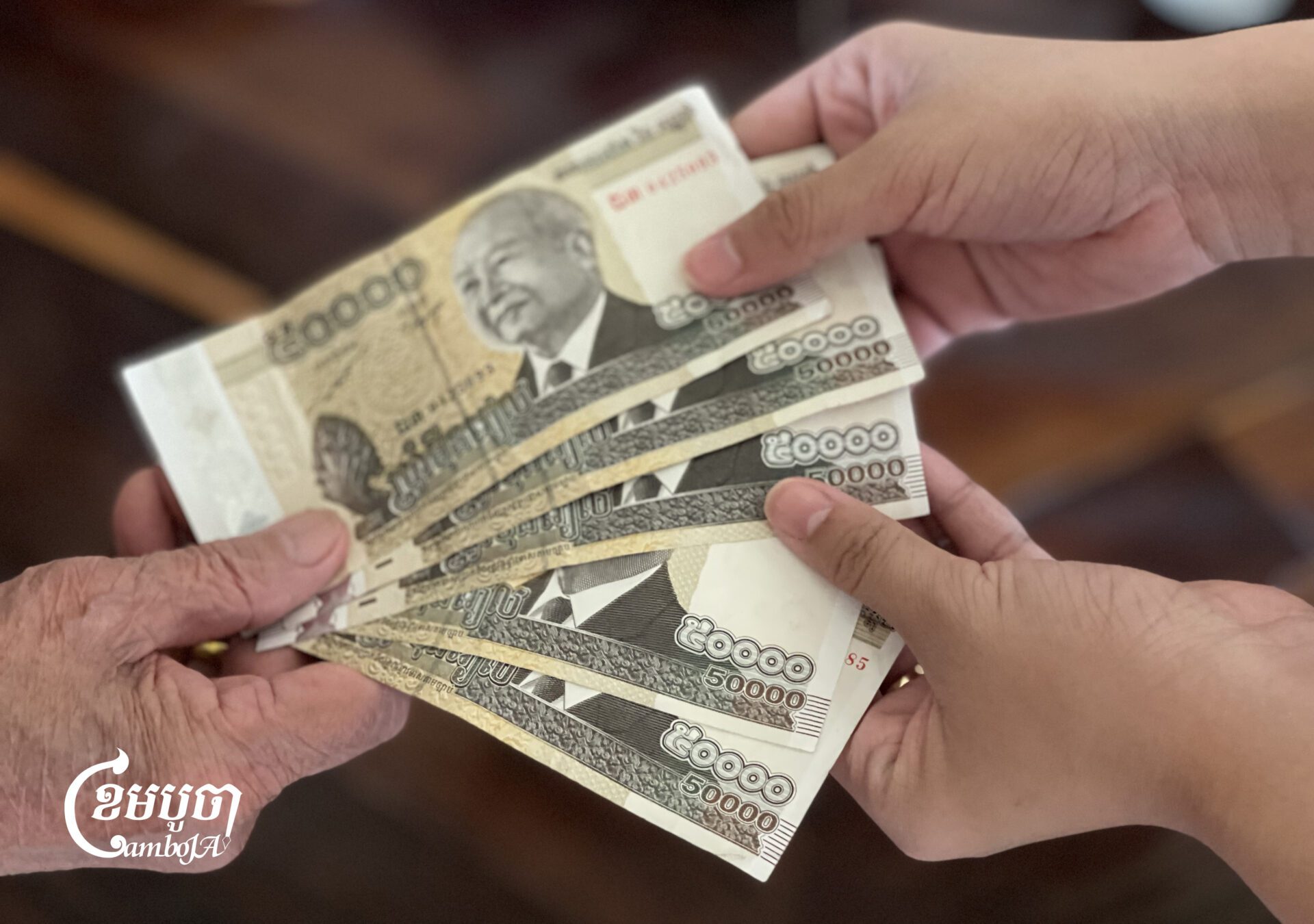
Unlicensed money lending, and the use of identity cards, residence permits, equity cards, and National Social Security Fund (NSSF) membership cards as loan collateral have been condemned by the government and the central bank.
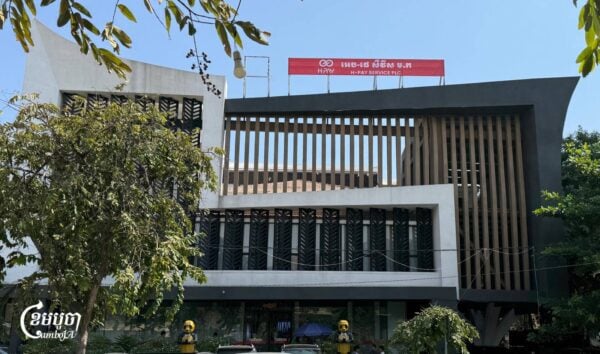
In a joint statement, the Interior Ministry, National Bank of Cambodia (NBC), and the Non-Banking Financial Services Authority (NBFSA) said the lending practices violate Cambodian laws and harm people’s livelihoods, public security, and the economy.
They said that providing credit to the public and profiting from it, including financial leasing and “signature loans”, qualifies as banking business. These operations must have a license from the NBC, the regulating authority.
However, using identity cards, residence permits, equity cards, or NSSF membership cards as collateral is illegal, as these have no economic value under the Civil Code and cannot serve as loan security, the statement noted.
Illegal lending of various forms (“money counting” or daily loans with high interests, mortgages, direct/online lending) is prohibited. Offenders can face up to five years imprisonment, and fines between five million and 250 million riels.
Cambodia Microfinance Association (CMA) spokesperson Kaing Tongngy said that lending businesses, which are licensed by the NBC, cannot use original identity cards, residence permits, equity cards, and NSSF membership as collateral—it is a violation of the banking law.
In fact, he has noticed that illegal entities and individuals who benefit from illegal lending create problems, threatening borrowers.
He told CamboJA News that pawnshops and mortgage businesses, which give out loans must obtain a license from the Real Estate Business and Pawnshop Regulator of the NBFSA.
“The problem is that these documents are still being used by illegal loan entities and individuals as collateral for loans which leaves borrowers feeling insecure,” Tongngy said. “People receive threats and lose their privacy. The lenders use their documents beyond their business models.”
He said borrowers who are threatened by illegal lenders should file a complaint with the authorities so that action can be taken.
People who need loans, or cash from pawning valuable items or help to service loan installments should consult licensed institutions, he added.
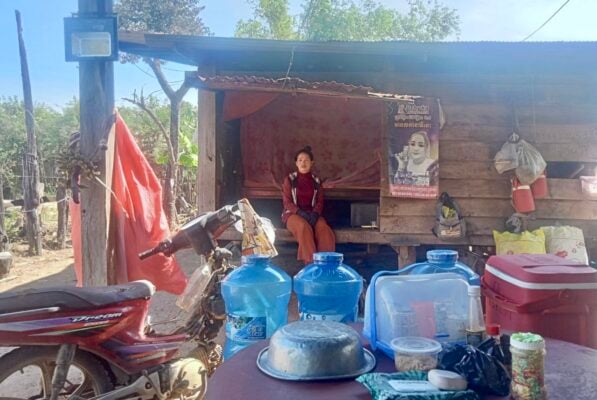
Predatory lending in Cambodia forces many borrowers to take loans from illegal entities with exorbitant interest rates. Unable to repay, borrowers often lose their land or other assets to cover their debt by selling them, impacting their livelihood.
This leads to poverty, food insecurity, and disruption in children’s education, especially in rural areas. Such practices affect human rights and socio-economic stability, pushing vulnerable populations deeper into crisis.
Interior Ministry spokesperson Touch Sokhak did not respond to requests for comment at press time.
Ramam Mahaek, 35, a Kachok indigenous man from Angdong Meas district, Ratanakiri province, faced intense pressure from microfinance credit officers when he fell behind on his loan repayment of $4,000. One officer pressured him to borrow from neighborhood lenders or sell his farmland – his main source of income and livelihood.
Following threats and intimidation from the officers, Mahaek took out a private loan of $1,000 from an individual in his district, raising his total debt by another $1,500 within a year due to the high interest rate. Unable to repay the loan, the lender seized his three-hectare farmland to pare down the debt.
“I took a loan from a private lender to pay the principal of my $4,000 loan in the second year. However, I could not keep up the payments, so my farmland was seized as compensation,” he lamented. “Now I do not have any more farmland to cultivate, which supports my family’s livelihood.”
His situation reflects the prevalent challenges faced by borrowers throughout rural Cambodia, where informal loans have exorbitant interest rates and carry punitive consequences if you default, leading to land loss as well as livelihood.
Am Sam Ath, operations director rights group Licadho, said local authorities should take action against illegal lending practices, such as pawnshops and mortgage businesses. Due to the threats, some borrowers have resorted to making “errotic videos” of themselves to earn money, while lenders post the borrowers’ identities on social media to shame them, which is a violation of their right to privacy.
“The illegal lending practices with high interest rates also push borrowers to become highly indebted as the debts pile up each time [they don’t pay],” Sam Ath said, adding that the mounting debt forces many to sell land, their main source of income, and other assets.