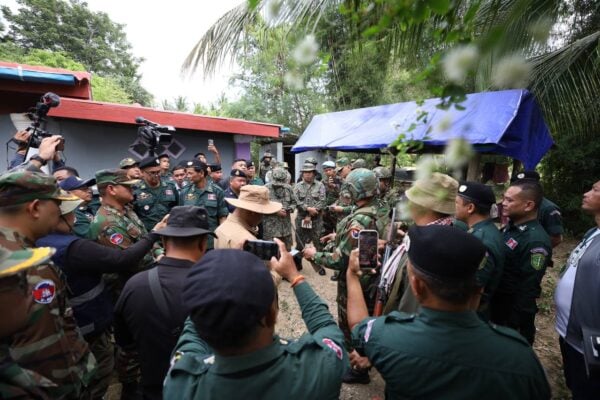

A coalition of seven organizations has released preliminary findings from a rapid assessment, raising grave concerns about the alleged use of chemical smoke during clashes along the Cambodia-Thailand border. They warned of severe consequences for human health, the environment, and regional stability.
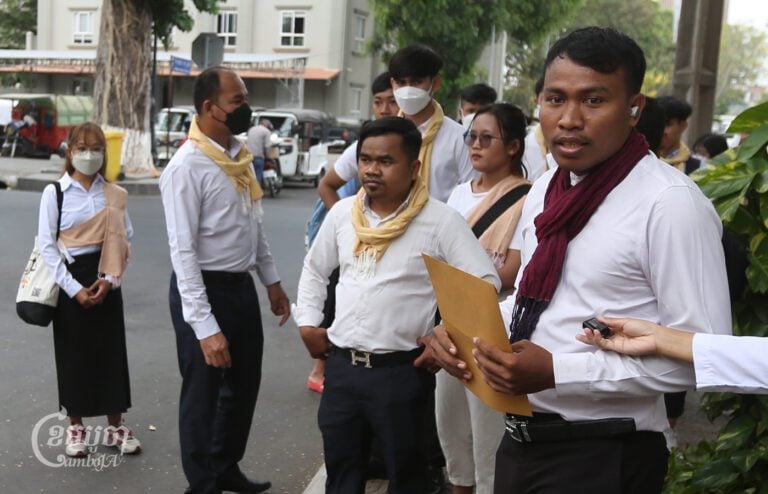
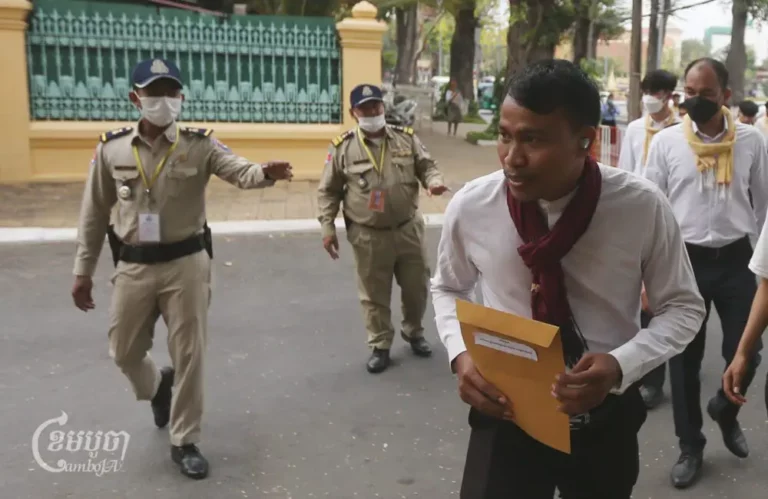
The four-day assessment from September 5 to 8 in Preah Vihear, Oddar Meanchey, and Banteay Meanchey provinces, was led by the Cambodian Human Rights Action Coalition (CHRAC), NGO Forum on Cambodia, and five other groups. The coalition said there were strong indications that chemical agents were used during the conflict.
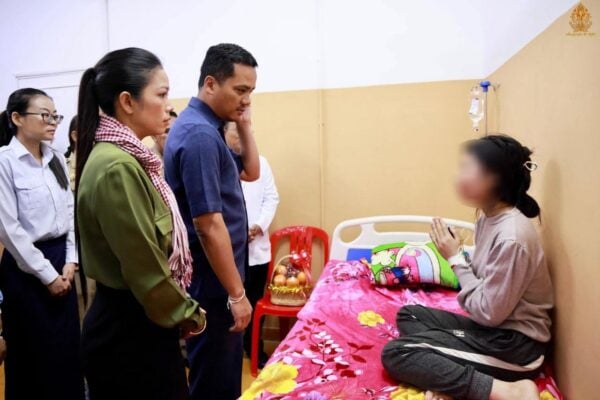
In a press release, the groups said Cambodian soldiers and villagers reported harmful smoke released by planes and drones during the fighting and even after the ceasefire, with symptoms such as breathing difficulties, sore throats, weakness, headaches, and possible lung damage recorded. Medical records confirmed some of these cases.
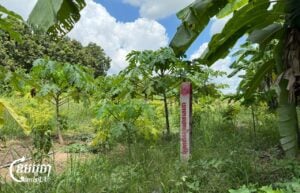
Residents in Preah Vihear and Oddar Meanchey also reported mass deaths of poultry and pets, pigs with severe skin infections, and fruit trees becoming grey and unhealthy.
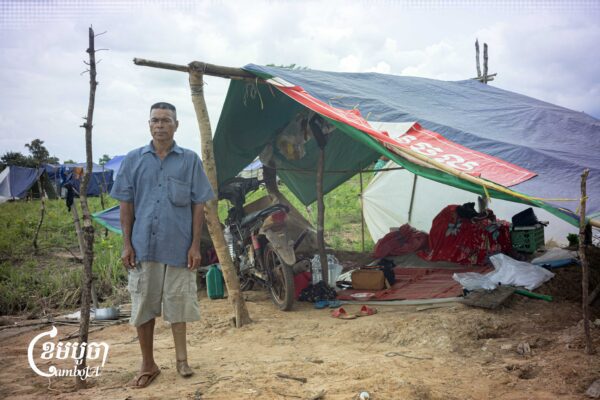
“Displaced villagers expressed reluctance to return home due to unexploded ordnance and lingering toxic smoke. Many said stored rainwater caused vomiting, skin irritation, and diarrhea, raising fears of widespread water contamination in local ponds, lakes, and streams,” the statement said.
The organizations added that the incidents raise “serious legal and humanitarian concerns” under international treaties, including the Geneva Protocol, Chemical Weapons Convention (CWC), and the Paris Peace Agreements, which safeguard Cambodia’s sovereignty.
The coalition urged the UN, ASEAN, and international civil society to act immediately to prevent further use of chemical substances, protect civilians, and launch an independent study to identify the substances and assess their impact.
In addition, they called on the government to investigate the incidents, provide emergency relief, and ensure accountability under international law.
“We are concerned that inaction or limited action would amount to a failure to prevent serious human rights violations, endanger Cambodia’s sovereignty, and trigger long-term environmental harm with cross-border implications, setting a dangerous precedent for the world,” the statement warned.
CHRAC executive director Ros Sotha told CamboJA News that during the assessment, the coalition interviewed villagers and collected water and leaf samples for laboratory testing in collaboration with international institutions. Results are not yet available.
He said the impact appeared widespread.
“When they drink rainwater, they vomit, have diarrhea and skin problems, and their pets have died, such as chickens, ducks, and pigs,” he said, adding that he was also concerned about contamination of streams where local communities plant corn.
Sotha also noted that the Ministry of Environment and local authorities had collected samples for testing.
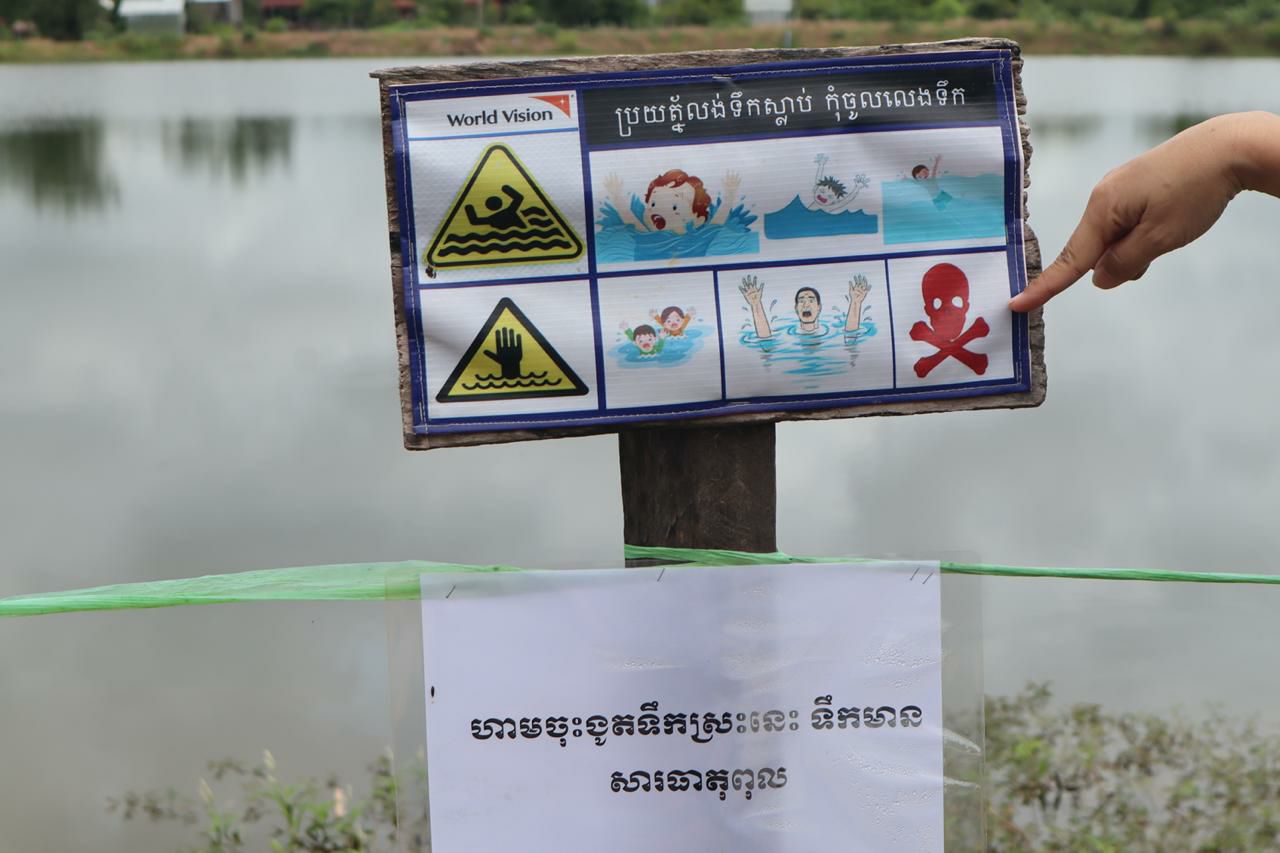
“If lakes are contaminated, the government also puts up signs and fences to prevent people from using them,” he said.
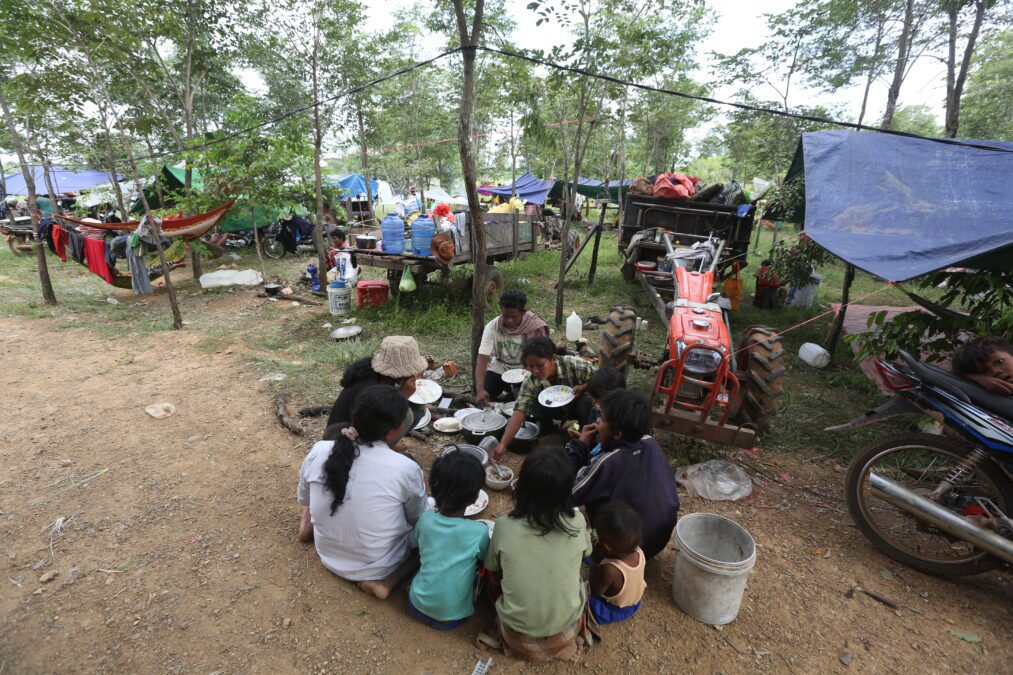
Kong Chantha, a displaced resident from Thmordon area in Oddar Meanchey province who is currently staying at Kok Moan pagoda displacement center, said her home was destroyed by Thai artillery. She reported feeling unwell during her visits back to her village with the authorities.
“When I go back home, I always get headaches, but I’m not sure if it is due to the toxic smoke. It always happens when I return,” she said.
Local authorities have not allowed her to go back because of unexploded artillery near her home.
“I got caught in the rain when I went home. I had a cough for about a month, and even with medicine from two health centers, I did not get better. I think I was affected by chemical smoke at the time,” she added.
Sang Sokha, 55, from Choam Ksan district in Preah Vihear province, said she returned home from a displacement center on August 8 and fell ill.
“I received a message on the phone to be cautious of the rain, so I used water from the well. But when I first came home, I had a fever that lasted half a month,” she said.
Sokha said she lost all 70 of her chickens shortly after returning.
“On the same day I came back, my husband went to the rice field and saw a lot of dead fish floating. I asked him to bring them home to make fermented fish paste, but he refused, saying they may have died from the chemicals,” she said.
Preah Vihear provincial spokesperson Kim Chanpanha told CamboJA News that the Ministries of Environment, Health, and National Defense have collected water samples for testing but results are not yet confirmed. He referred further questions to the ministries.
Chanpanha said authorities have advised citizens to use safe water sources from wells and the state water supply authority. He added that around 3,100 people are currently living in displacement centers or with relatives.
Kvay Atitya, spokesperson of the Ministry of Environment, said that the ministry has been working with relevant institutions and experts to investigate the case, both in water and on land.