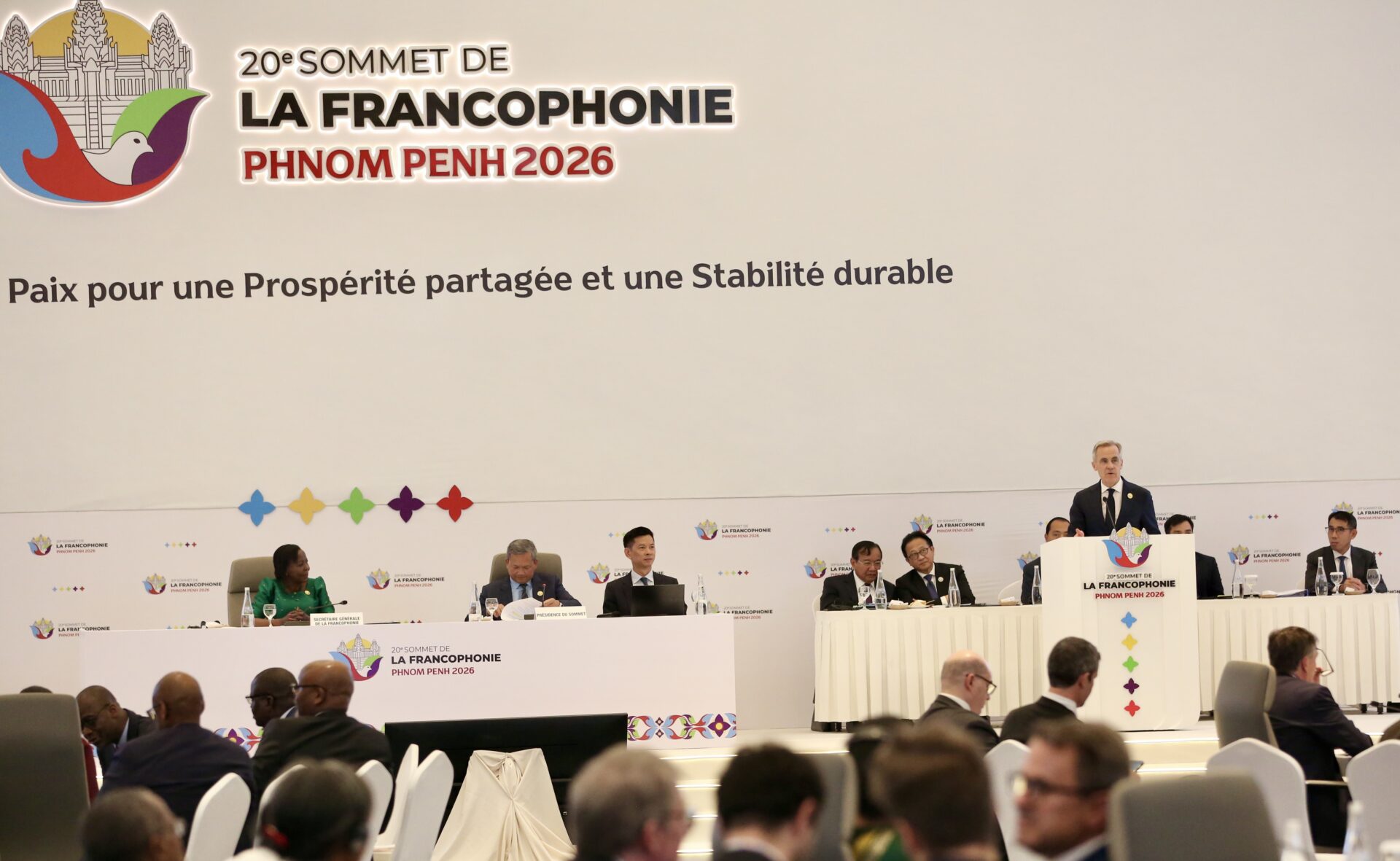
Cambodia hosting the 20th Francophonie summit has strengthened its international standing, and extended opportunities for economic and institution cooperation.
It also gave Phnom Penh a high-profile platform to press its position on the ongoing border dispute with Thailand.
According to Information Minister Neth Pheaktra, the summit was not only a great success but it gave an opportunity to enhance national pride, strengthen international relations, and send a message that peace, respect for international law, and dialogue are the foundations of shared prosperity and long-term stability.
The long-term success of hosting the event will be the transformation of international relations and commitments into cooperation and tangible benefits for Cambodians.
The meeting had three main outcomes: the Phnom Penh Declaration, the Resolution on the State of Crisis and the Phnom Penh Appeal on the Protection of Cultural Heritage.
It also highlighted the Cambodian-Thailand border situation and affirmed its position to resolve the dispute peacefully in accordance with international law.
In his opening speech for the event, Prime Minister Hun Manet said that Thai troops still occupied parts of Cambodian territory after last year’s deadly border fighting.
Meanwhile, Pheaktra said that heads of state and government representatives expressed concern about the ongoing tensions along the Cambodia-Thailand border and reaffirmed their support for Cambodia’s sovereignty and territorial integrity.
They called for displaced and affected communities to receive humanitarian assistance, basic essential services and facilitate their return to their homes.
The leaders at the summit stressed that border disputes must be resolved by peaceful means, in accordance with international law, and that there can be no change in the border line through the use of force or creation of a de facto situation on the ground.
They called for the implementation of the terms agreed in the Joint Statement on the Ceasefire, Measurement and Demarcation of the Borders of the Joint Committee on the Land Borders.
“Force is no substitute for law, and the creation of a de facto situation cannot change borders. People affected by the conflict should return to their homes in safety and dignity,” said Pheaktra.

The summit also produced 32 statements covering seven key priorities, including the commitment to maintain peace, prevent and resolve conflicts through dialogue based on the principles of the U.N. Charter and international law; and strengthen democracy, the rule of law and human rights, anti-corruption.
It also stressed the protection of press freedom; promotion of ethical and responsible development and use of artificial intelligence and digital governance.
The summit decided to extend the mandate of Louise Mushikiwabo, the current Secretary-General of the International Organization of Francophonie (OIF), for 12 months before a new Secretary-General is elected.
In addition, the summit established the Francophone Economic Cooperation Office in Cambodia, and that the 21st Francophonie Summit will be held in Canada in 2028.
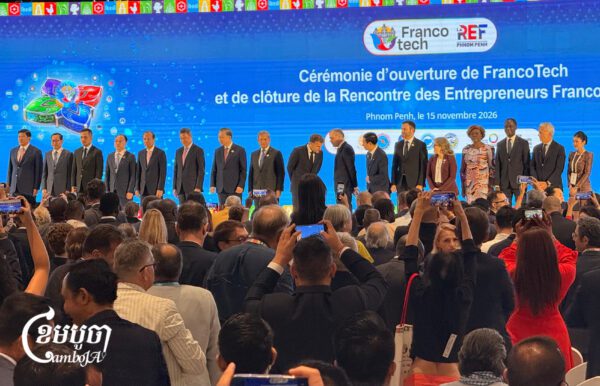
The Phnom Penh meeting was attended by high-level delegations from 81 states and governments in the Francophonie community, including 23 heads of state and heads of government, equivalent to 90% of the members of the OIF.
There were also side events, such as the Francophonie Village and FrancoTech, the Francophonie Entrepreneurs’ Meeting and other events showcasing technology, digital and innovations related to the banking sector.
Thailand sent an observer team to the 48th Francophonie Foreign Ministers’ Meeting in Phnom Penh, but Thailand was not allowed to make any comments or share opinions at the meeting.
On the last day of the summit, the Thai Foreign Minister criticized Cambodia for raising the Thai-Cambodian border dispute.