Listen to the audio version of this article (generated by AI).
Cambodia’s four appeal courts improved their record on fair-trial rights in 2025, according to a report from the Cambodian Center for Human Rights. But only six of the 14 rights the group monitors were upheld by all four courts, and the courts have yet to curb a growing reliance on detention, with 87% of defendants jailed at the time of their appeal.
The group monitored 422 criminal appeal hearings involving 573 defendants at courts in Phnom Penh, Battambang, Tboung Khmum and Preah Sihanouk last year.
The report found the right to liberty regressed in all four jurisdictions as the overall detention rate climbed, meaning “roughly six out of every seven defendants were subject to this measure.” It was the fourth consecutive annual increase.
For the first time since the group began monitoring all four courts in 2022, each upheld the same six fair-trial rights. They include the right to be present at one’s own trial, to be informed of the charges, to consult a lawyer and prepare a defense before trial, to be tried without undue delay and to have the verdict announced publicly. The courts also met the group’s standard for professional conduct by judges, prosecutors and lawyers.
None of the courts upheld the right to liberty, the right to legal representation or evidentiary rights, signaling a lack of progress in those areas, the report said. Only 56% of defendants had a lawyer. The Phnom Penh court also fell short on providing reasoned judgments, while the other three courts had too little data to be assessed.
Seng Sovathana, executive director at the Cambodian Center for Human Rights, said fair-trial rights not only protect defendants but ensure court decisions are fair, transparent and based on the law.
“When these rights are not fully respected, the risk of unfair convictions and unjustified detention increases, with serious consequences for individuals, their families and communities,” he said.
Sovathana said Cambodian law bars detainees from asking for a lawyer during their first 24 hours in police custody, removing an important safeguard against coercion and mistreatment.
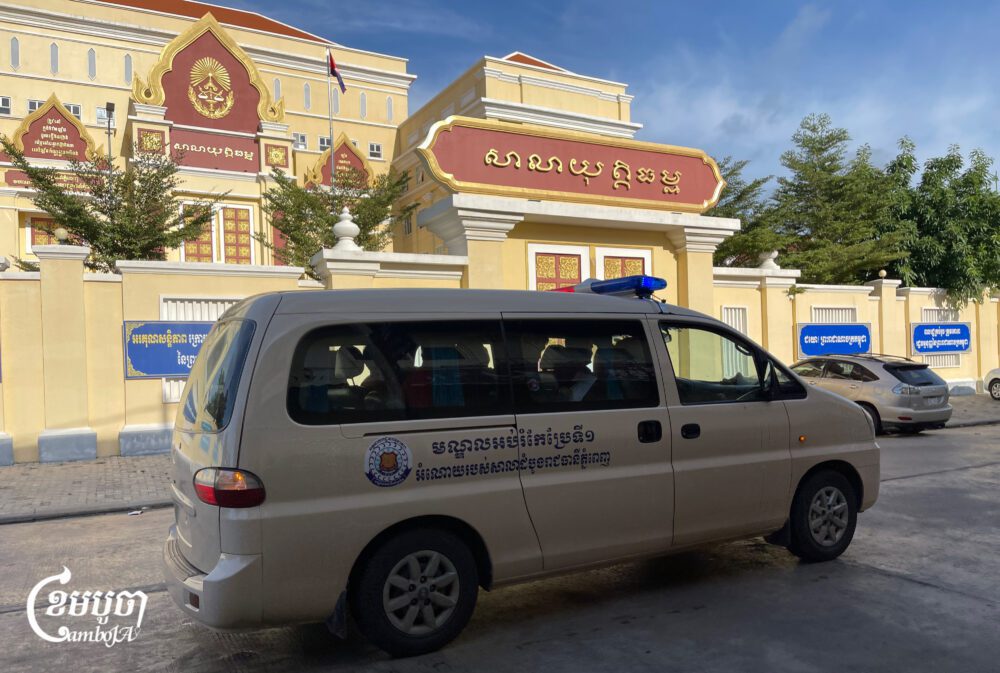
He also said some defendants still appear in court in the blue uniforms worn by convicted prisoners, “undermining the principle that defendants must be presumed innocent until a final judgment is reached.”
Sovathana called for changes to laws and practices that fall short of international standards. The report recommends expanding access to legal aid, using alternatives to detention, improving training for judges and better coordination between the courts, the Justice Ministry and other agencies.
Justice Ministry spokesperson Em Chanmakara referred questions to the appeal courts.
Phnom Penh Court of Appeal spokesperson Hean Rith disputed the report’s findings, saying the court upholds all 14 rights. He referred further questions to the Justice Ministry.
Spokespersons for the Battambang, Tboung Khmum and Preah Sihanouk appeal courts could not be reached for comment.
The report comes days after a U.N. special rapporteur on Cambodia, Thomas Andrews, called on the government to undertake judicial reforms to guarantee fair trials and judicial independence.