Listen to the audio version of this article (generated by AI).
Cambodia’s gaming tax revenue fell about 26% in the first half of 2026 from a year earlier, the Ministry of Economy and Finance said, as authorities continue a crackdown on the online scam industry often linked to casinos.
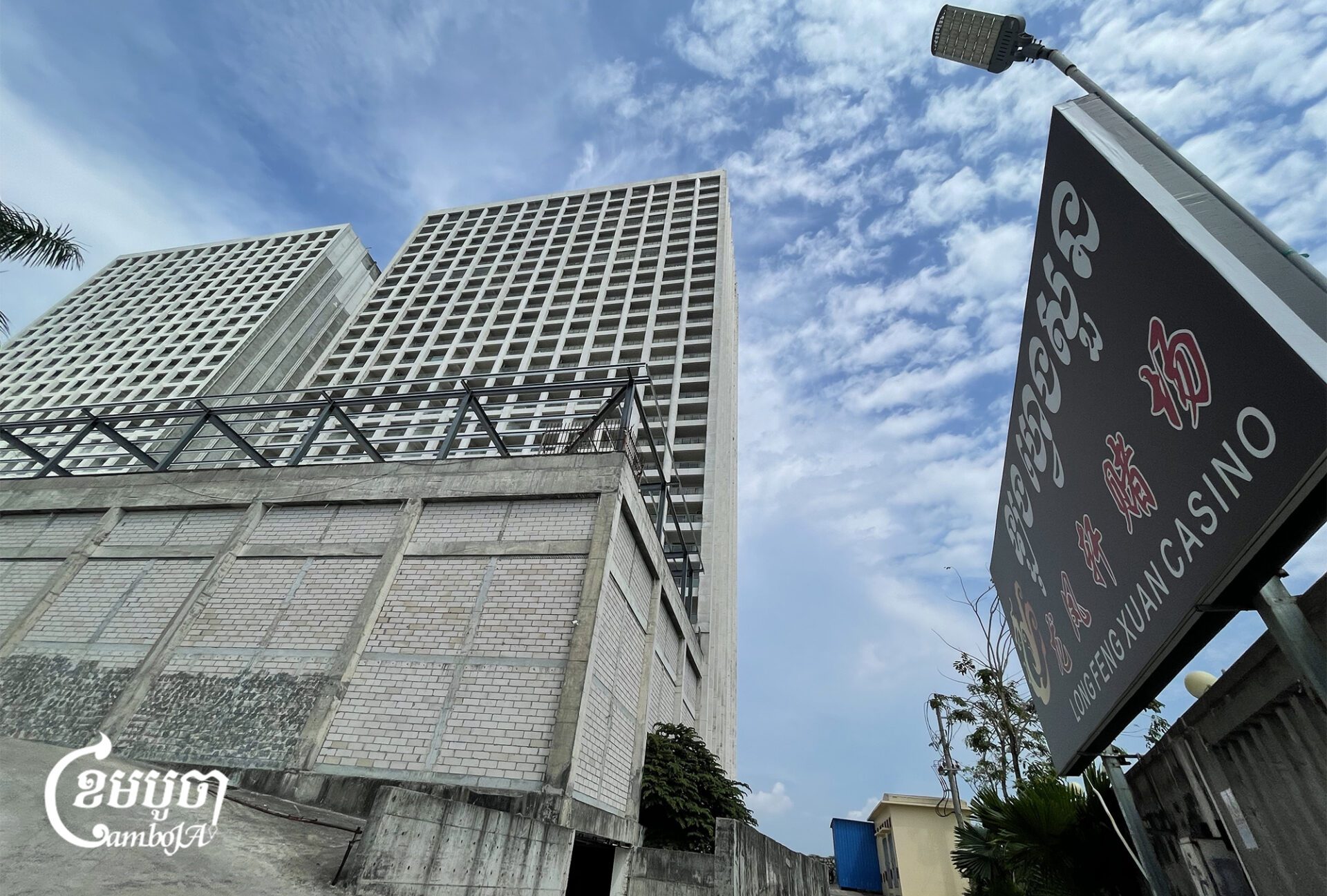
At least 27 casinos have had their license suspended or revoked since the crackdown began last year, targeting an industry that has turned Cambodia into a hub for scam syndicates that generate billions of dollars from victims worldwide each year, according to the United Nations Office on Drugs and Crime. Casinos are often used as fronts for laundering scam proceeds, the U.N. agency has said.
Gaming duties collected by the government totaled about $29 million in the first half, down from $39 million in the same period of 2025, the ministry said in its twice-yearly report published earlier this month.
Most of that came from NagaWorld, the gaming resort that holds a monopoly on gambling in Phnom Penh and has been locked in one of the country’s longest-running labor disputes. NagaWorld’s duty payments were 18% lower than a year earlier, the ministry said.
“The decline in commercial gaming revenues highlights the vulnerability of relying on volatile revenue streams amid stricter crackdown policies on tech and online scams and ongoing geopolitical tensions,” said Mar Sophal, program manager at NGO forum, a member of a working group that reviews the state budget. He recommended diversifying the domestic revenue base into “sustainable, high-productivity sectors.”
Chhoeng Chantha, technical advisor to the Commercial Gaming Management Commission of Cambodia, did not immediately respond to a request for comment.
Budget Hits Record as Growth Slows
Overall state spending this year is the highest on record, after the government approved a budget of just over $10 billion last year.
Education, health and other social sectors received the largest share of spending so far at $1.4 billion. General administration – covering the Senate and the ministries of Land Management and Civil Service – received more than $700 million, while defense and security received $697 million. Aviation, commerce, public works and tourism ministries together received more than $222 million.
The increase in defense spending comes amid lingering border tensions with Thailand following deadly clashes last year.
The ministry also cited economic headwinds weighing on state revenue, including the continued closure of the Cambodia-Thailand border, which has hurt tourism, agricultural exports and remittances. The International Monetary Fund cited similar pressures when it downgraded its 2026 growth forecast for Cambodia to 3%.
The crackdown on technology-based fraud has also had a short-term negative impact on the construction, real estate and tourism sectors, the ministry said in its report.
The government has separately lowered its own 2026 growth forecast, to 4.2% from 5%, citing the global energy crisis and inflation that could further weaken domestic spending and consumption.
Sophal urged the government to balance security priorities with social and economic investment.
Ministry of Economy and Finance spokesperson Meas Soksensan said increased spending on “defense, security and public order” would not reduce or divert resources from key social sectors. The government continues to balance urgent national defense and security needs with development and social priorities, including education, health, social welfare and the economy, he said.
Ministry of National Defense spokesperson Maly Socheata did not respond to a request for comment.
This story has been corrected to change a reference to proceeds from Cambodia-based scam operations to billions of dollars, from tens of billions of dollars, which is a regional figure, according to the UNODC.
This story has been corrected to show that 27 casinos, not nearly 100 as the government initially said in April, have had their licenses suspended or revoked since the crackdown began. The revised figure is based on an August statement by Senior Minister Chhay Sinarith