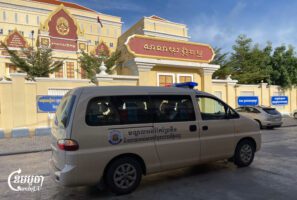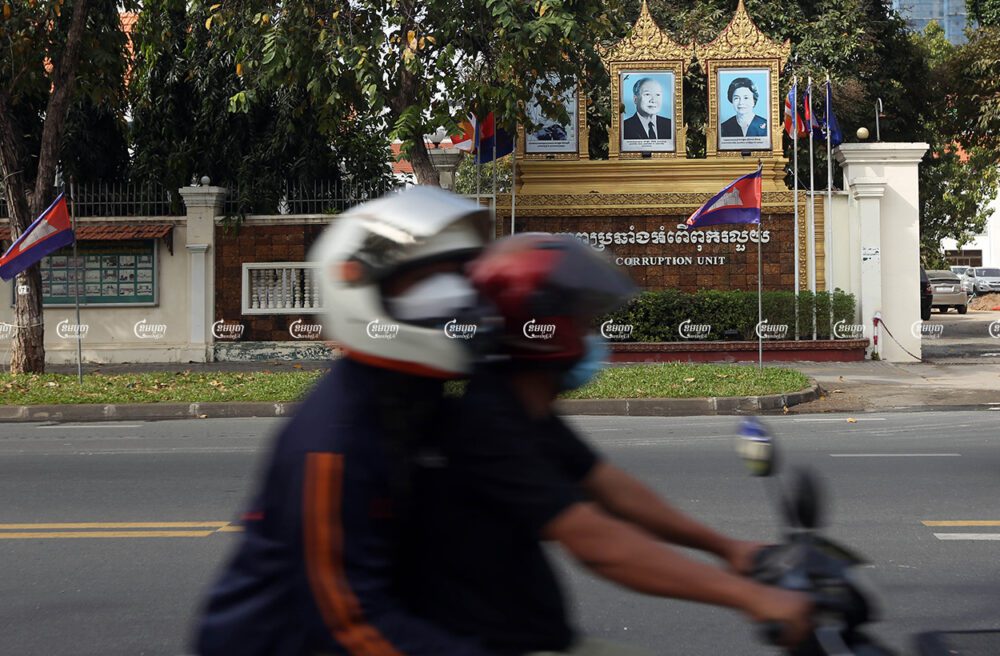
The Anti-Corruption Unit (ACU) on July 3 launched an investigation into Sean Borath, Secretary of State of the Ministry of Education, Youth and Sport, as well as ACU Deputy Chairman, and Sar Thavy, Undersecretary of State of the Ministry of National Defense, in connection with former tycoon Leng Channa’s case, who allegedly defrauded thousands and embezzled millions of dollars.
According to the ACU, the large-scale fraud case covering Kampong Thom and Siem Reap provinces featured 32 cases and 24,852 pages. Ten officials pored over the documents in a month, as Borath and Thavy appeared in Siem Reap provincial court stage as witnesses.
In December 2024, the duo were questioned by the court as witnesses in the case tied to money laundering, aggravating fraud involving organized crimes, and violations of payment financial transaction laws.
But Borath and Thavy were removed as witnesses and are now suspects, ACU said.
Both of them declined to comment when CamboJA News contacted them via telephone.
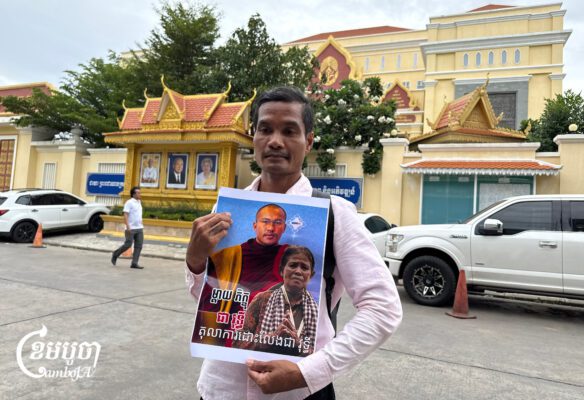
Leang Hov, 58, a victim living in Kralanh district, Siem Reap, said she borrowed about $26,000 from a bank to invest with Channa’s company, Brilliant City World Co Ltd, as she trusted it after noticing senior government officials in the board.
But she came to financial difficulties after not being able to service her loan as there was no income from her investment with the company. She had to sell a hectare of her rice field land for about $3,000 to pay the loan interest, as she was afraid that the bank would seize her house.
Hov hopes that there will be a resolution for the victims and have their money returned in order to pay the bank. She pays two million riel (approximately $500) per month for the loan interest, which will become a big burden for her at some point.
“I just want my money back, I hope the ACU will solve the case because I borrowed money from the bank to invest in a company I trusted at the time. Whenever I talk about this fraud, I feel like crying,” said Hov.
Another victim, Khun Chansavuth, also in Kralanh, said the money he invested, nearly $20,000, came entirely from bank loans. He now has to pay more than one million riel ($250) in interest. His daily income as a carpenter is not enough to support his family.
Chansavuth hopes that the investigation will lead to justice for all the victims, so that they can get back their money to pay off the bank or risk more financial problems in the future.
“I expect the bank will seize [my property] if I don’t pay the interest. I work hard just to make the money to pay the bank. I don’t dare to eat delicious food with my children because I don’t have money. I save it for the bank,” said Chansavuth.
The crackdown on fraudulent investments appears to be part of the government’s campaign to project an “image of good governance” amid growing frustration with tycoon-class notoriety relating to land grab and money laundering, international observers noted at the onset of the case.
Investment scandals have involved prominent Cambodian elites in recent years with hundreds of families filing complaints of land fraud — one of them against tycoon Hy Kimhong.
Five individuals, including senior government officials, businessmen and a lawyer, have been charged following the corruption and fraud case linked to the jailing of Ly Samet and Duong Dara, who were former aides of Senate president Hun Sen.