
Siem Reap Province— Water scarcity is a growing global challenge, and in many regions, groundwater is a critical alternative to unavailable surface water resources. However, groundwater often requires treatment due to contamination.
In Southeast Asia, including Cambodia, groundwater can be contaminated with arsenic, iron, manganese, and fluorides, posing significant health risks. This is particularly problematic in remote areas, as seen in many parts of Cambodia, where access to electricity for conventional water treatment is limited. Therefore, small-scale, sustainable groundwater treatment units are essential for addressing water scarcity in these regions.
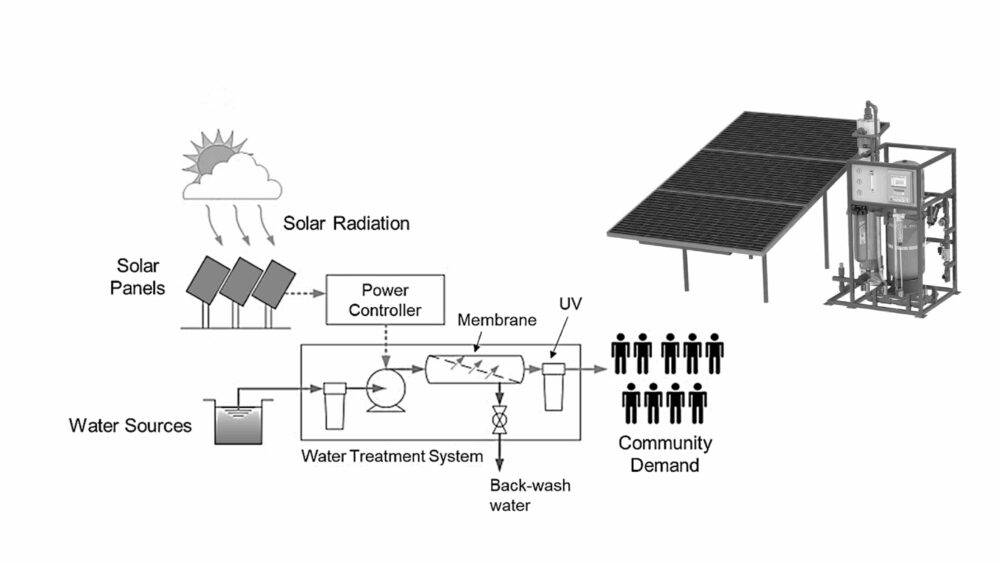
A team of researchers from the Water Environment Laboratory of Institute of Technology of Cambodia, launched a project called “Addressing Water Scarcity through Groundwater Use: Development of Solar-Powered Groundwater Treatment System for Remote Area of Cambodia”. The goal is to develop a solar-powered groundwater treatment system for remote Cambodian communities.
Researchers collected groundwater samples from 14 wells in Preah Dak commune, Siem Reap province and analyzed them based on chemical and physical parameters. A laboratory was established to conduct crucial experiments. Statistical analysis of groundwater quality parameters of the samples indicated harmful substances — high levels of turbidity and iron, exceeding WHO guidelines for iron. It means groundwater treatment is needed to ensure safe drinking water for rural communities across Cambodia.
Importance of Solar-Powered Water Treatment Systems
A report from researchers suggested that 54% of households in Preah Dak commune remain water deficient. This suggests that although a significant portion of households meet basic health needs, a majority still lack access to adequate water for optimal hygiene, sanitation, and other domestic uses.
The fact that over half the community falls short of optimal water access underscores the urgent need for targeted interventions to improve water distribution and ensure more equitable access to this vital resource. Addressing this issue is crucial for enhancing overall community health, well-being, and quality.
The same report indicates that groundwater is the predominant drinking water source in the community, supplying 71% of households. A significant portion of the community (over 60% of households) perceives their groundwater as unsafe. The primary concern appears to be the water’s color, suggesting potential issues with clarity or the presence of contaminants.
Access to clean and safe drinking water is recognized as a fundamental human right, essential for health and well-being, yet many communities around the world, including Cambodia lack access to such resources.
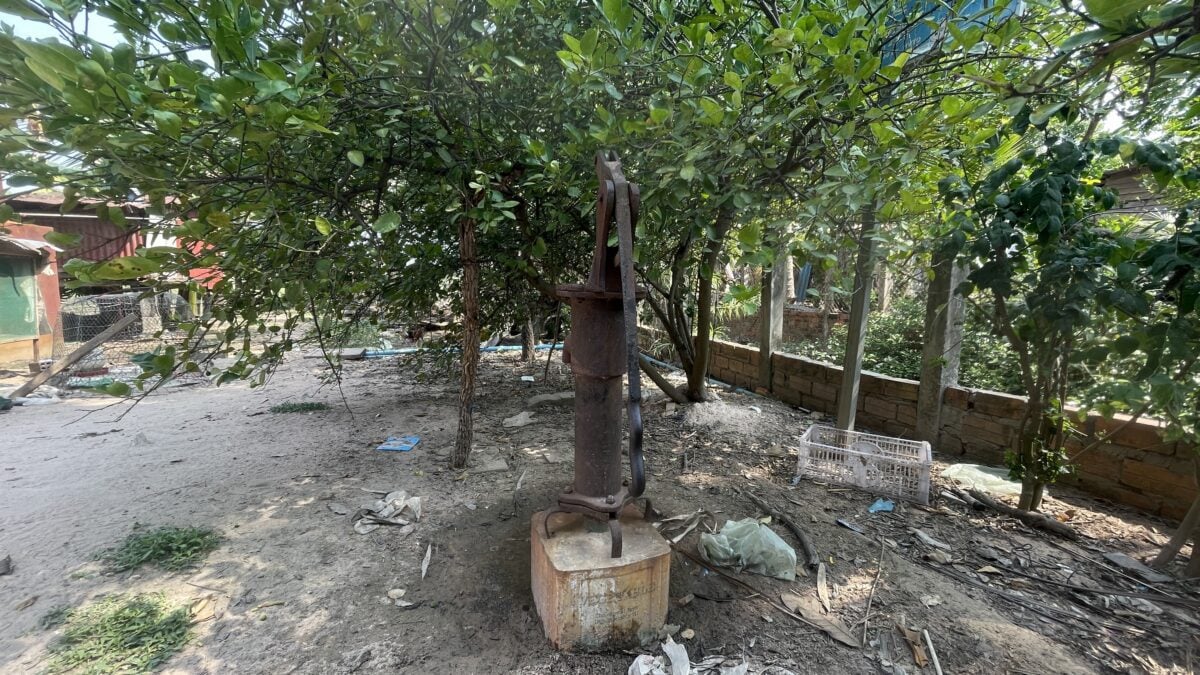
Traditional water treatment solutions like biosand filtration systems, often require a significant amount of resources, and it is not effective in removing contaminants like iron, arsenic, as well as turbidity determination from water, while also requiring more frequent cleaning and maintenance. This problem clearly demonstrates the urgent need for reliable and safe drinking water solutions. Therefore, solar-powered water treatment has become an increasingly popular and effective way to address this problem.
Solar-powered water treatment solutions offer a sustainable and cost-effective approach to providing clean water. They utilize renewable solar energy, reducing reliance on fossil fuels and lowering greenhouse gas emissions. Although initial setup costs are higher, long-term energy costs are virtually zero once the system is up and running, making them ideal for rural communities with limited access to affordable energy.
Solar-powered water treatment systems are also highly reliable. Unlike traditional water treatment solutions, solar-powered systems can operate even during power outages or other disruptions. This makes them particularly useful in areas where access to energy is unreliable, such as in remote or rural communities.
Commune clerk Sor Sophal told CamboJA News that while some residents obtain drinking water from the Project Water Treatment plant in Preah Dak Commune, which was supported by an NGO at a cost of 1,500 riel per 20 liters, supply was inadequate for many remote communities.
“Areas which were distant lacked access to clean water, thus implementing a groundwater treatment system could be a vital solution, significantly improving water availability and quality for underserved populations,” he added.
These systems are reliable, require minimal maintenance, and can be scaled for various applications. They provide a versatile solution for purifying diverse water sources, contributing significantly to global efforts to ensure universal access to clean water while promoting environmental sustainability. Additionally, solar-powered water treatment systems have the potential to address water scarcity issues, improve sanitation conditions, and enhance overall community well-being.
Rise in Solar Powered Systems
Chea Vireak, a 46-year-old resident of O’ Totoeng, says groundwater treatment system is vital for delivering safe drinking water. “In my opinion, it is crucial to have this system. By efficiently using groundwater, it helps alleviate water scarcity, providing a reliable clean water supply even where surface water is limited.”
“I think that this approach improves public health and supports sustainable water management in my village as many villagers use water from wells,” he adds.
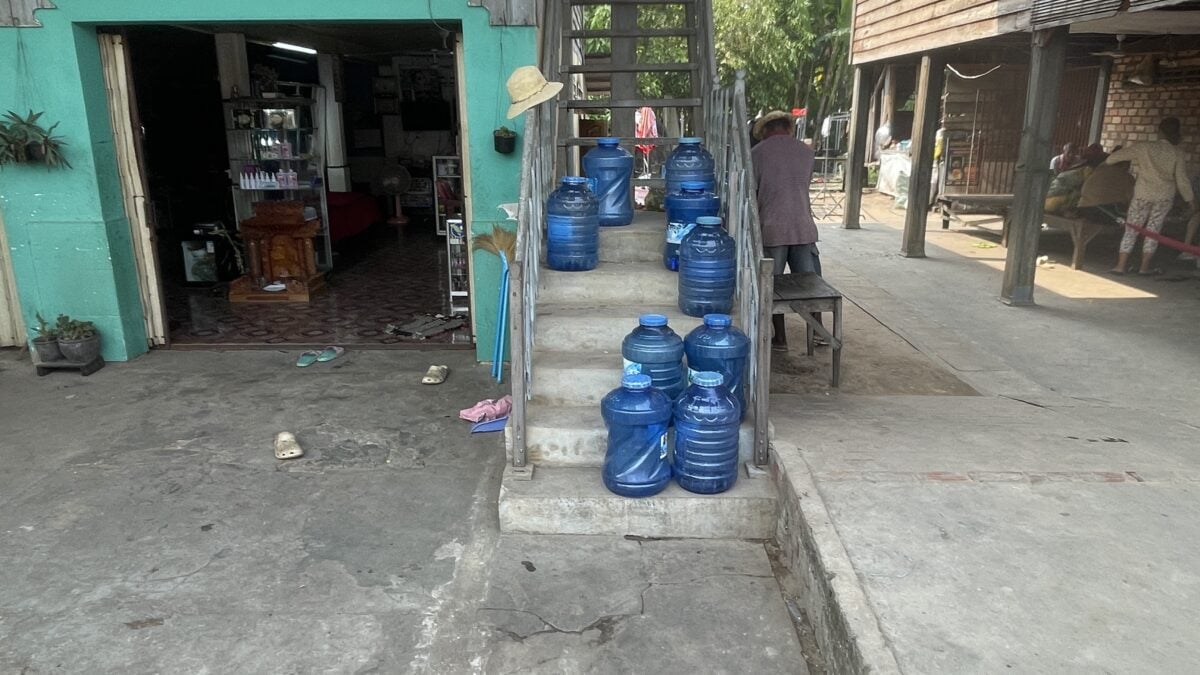
Vireak indicates that many villagers consume drinking water using traditional filtration methods like sand filters to treat their water. Some buy 20-liter bottles for drinking water, which costs approximately 2,000 riel (USD 0.50).
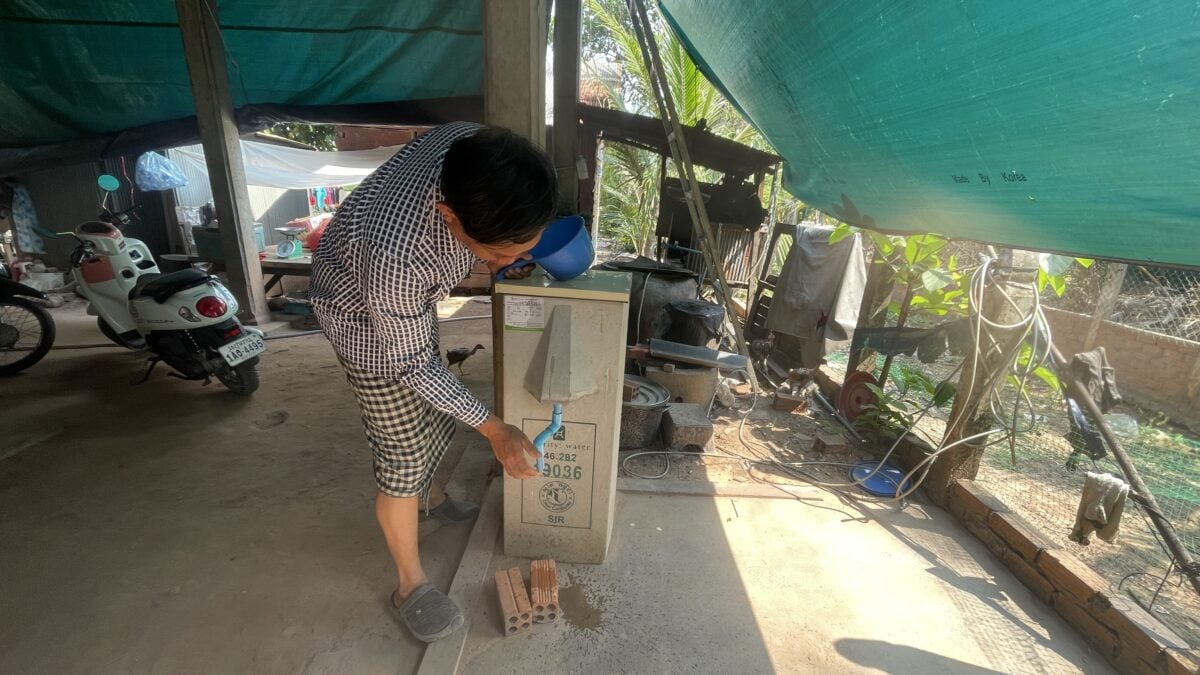
A survey by researchers revealed that higher-income households in Preah Dak commune show a pronounced reliance on bottled water, with 50% consuming it as a primary drinking source. This trend suggests a correlation between socioeconomic status and perceptions of water safety and quality. Bottled water may be viewed as a safer and higher-quality alternative to groundwater, which reflects concerns about the quality of untreated or filtered groundwater.
Policy Engagement Manager at EnergyLab Asia Out Phalkun opined that solar technology is becoming more affordable and efficient, which offers a dual advantage. She went on to say that solar panels are getting lighter and more flexible, facilitating their use in remote areas where transporting heavy equipment can be difficult. “It is now increasingly feasible to extend the operating time of solar-powered water treatment, further benefiting communities,” she said.
“Cambodia is rapidly increasing the number of solar-powered processes. From solar-water pumps for rice farmers, to solar-lights for community safety, there is so much potential to utilize free renewable energy and replace expensive diesel and grid electricity,” Phalkun added.
Utilizing solar energy for water purification offers significant environmental benefits, including reducing reliance on fossil fuels and minimizing greenhouse gas emissions. Solar-powered systems contribute to a cleaner and greener environment by harnessing renewable energy, which lowers the carbon footprint compared to traditional methods.
Environmental Impacts, Implementation Challenges
“The costs of these systems continue to drop, making them accessible for more Cambodians. At the same time, the engineering skills required to properly design, install and maintain solar systems are increasing.”
However, these systems come with challenges that must be addressed to ensure their sustainability. Proper disposal of solar panels is critical, as damaged or improperly discarded panels can leach harmful chemicals like lead and cadmium into soil and water. By addressing these drawbacks through research and innovation, solar-powered water treatment systems can remain a vital tool in combating water scarcity while minimizing ecological impacts.
Phalkun of EnergyLab Asia, states that several challenges hinder the widespread adoption of solar-powered water purification systems, which include high initial costs, lack of awareness, and limited technical expertise.
“While the overall cost of solar systems is low compared to the prevalent diesel-powered generators, the high upfront costs can often be out of reach for rural communities,” she says.
“This is a perfect opportunity for Cambodian banks to support rural development by offering tailored options that meet the needs of communities to boost sanitation, lower costs, and improve their lives,” she adds.
Phalkun notes that modern solar panels are often expected to operate for decades before they need to be replaced. “Regular maintenance of solar systems, cleaning, and correct installation all ensures that the technology operates for as long as possible”.
“Like all electronic equipment, it is important to properly recycle when damaged and obsolete, and there is an excellent opportunity for rural communities to safely collect and recycle the increasing number of solar panels as a good source of extra income,” Phalkun says.
Cambodia’s 2050 Net Zero commitment, embodied in the “Blue Skies & Net Zero 2050” campaign, aims to achieve carbon neutrality by 2050 through comprehensive climate actions.
A key objective is to significantly increase solar energy utilization, as well as the expansion of renewables like hydro and biomass to 35% of the power mix by 2050, with solar contributing 12%. The strategy also emphasizes energy efficiency, grid modernization, and reducing coal dependency, supporting sustainable economic growth and job creation while combating climate change.
Note: This story is produced by the media-research partnership fund coordinated by SEI Asia with the generous support of DFAT, Government of Australia.