

In the past few years, Cambodia’s agroproducts have caught the attention of international consumers, pushing exports up and accounting for over one-fifth of the country’s total gross domestic product in 2023.
Within the first half of 2025, agricultural exports rose 27% from the same period last year, consisting of 7.8 million tons of crops comprising rice, paddy rice, and non-rice products, according to a report from the General Directorate of Agriculture under the Ministry of Agriculture, Forestry and Fisheries (MAFF).
Pen Sovicheat, spokesperson of the Ministry of Commerce, said the production of rice, corn, and cassava exceeds domestic needs, and are exported, making them key agricultural products.
The exports depend on international demand, for instance, fragrant rice is exported to Europe, the US, Japan, Korea, and several Asian countries. However, in the last few years, exports to China have increased to 400,000 tonnes per year.
China has become a crucial market for Cambodian agroproducts, including fresh fruits and vegetables, Sovicheat said, noting that a bulk export of durian made its way there by air. Both countries have signed numerous memorandum of agreements (MoU) and free trade agreements in recent years.
“The Chinese market favors Cambodian agricultural products. In particular, Guangxi Autonomous Region, where we have had a lot of joint trade, Cambodian fragrant rice, fruits and vegetables are popular,” he added.
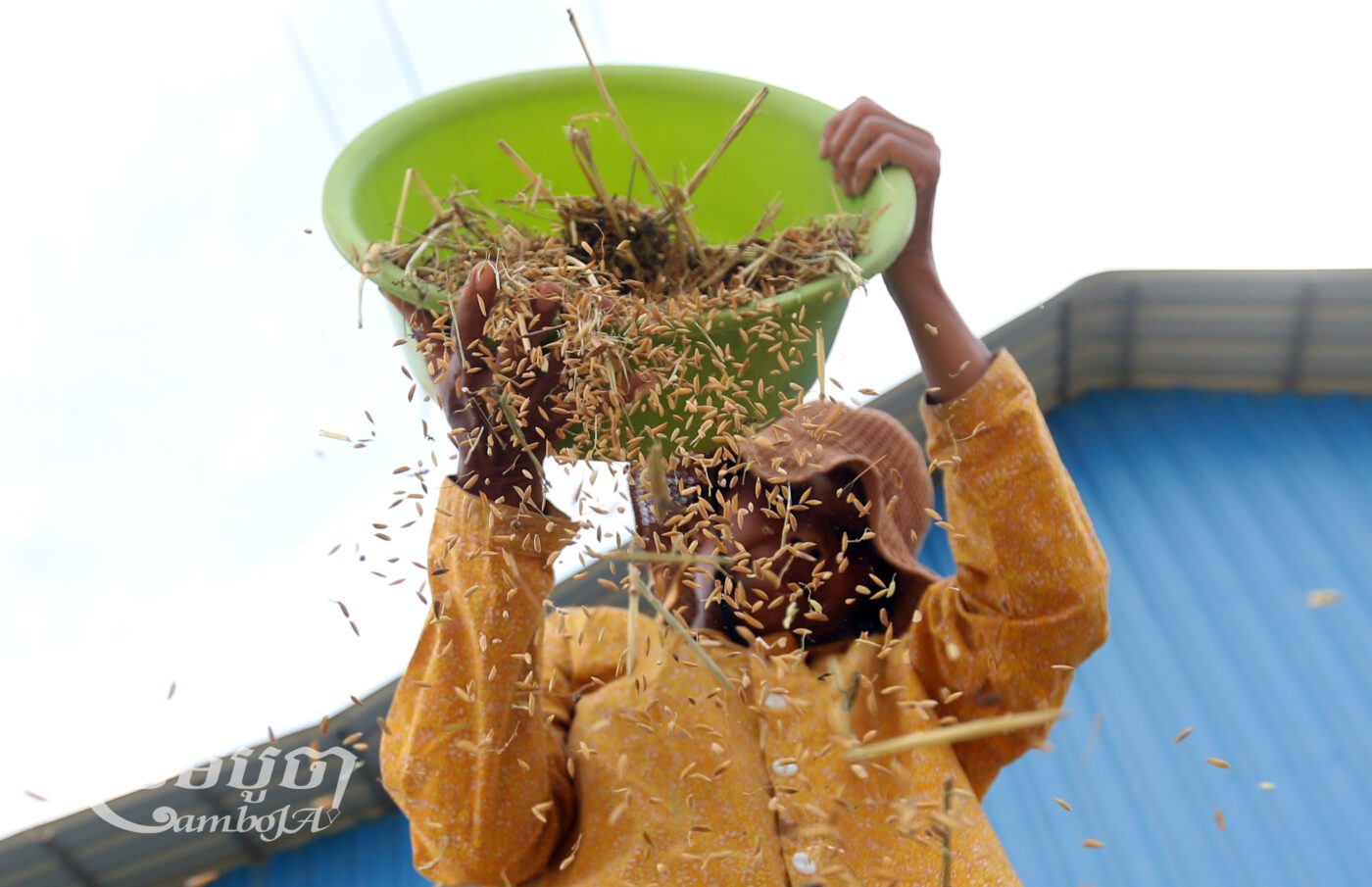
Five years ago, the rice sector experienced difficulty entering the international market, but due to its quality, Cambodia’s rice has received growing recognition and demand despite being priced slightly higher than competitors.
He said the implementation of policies and monitoring indicators, and a commitment to the open market in accordance with the MoUs and FTA, are crucial to minimizing customs duty and enhancing Cambodia’s agricultural product exports.
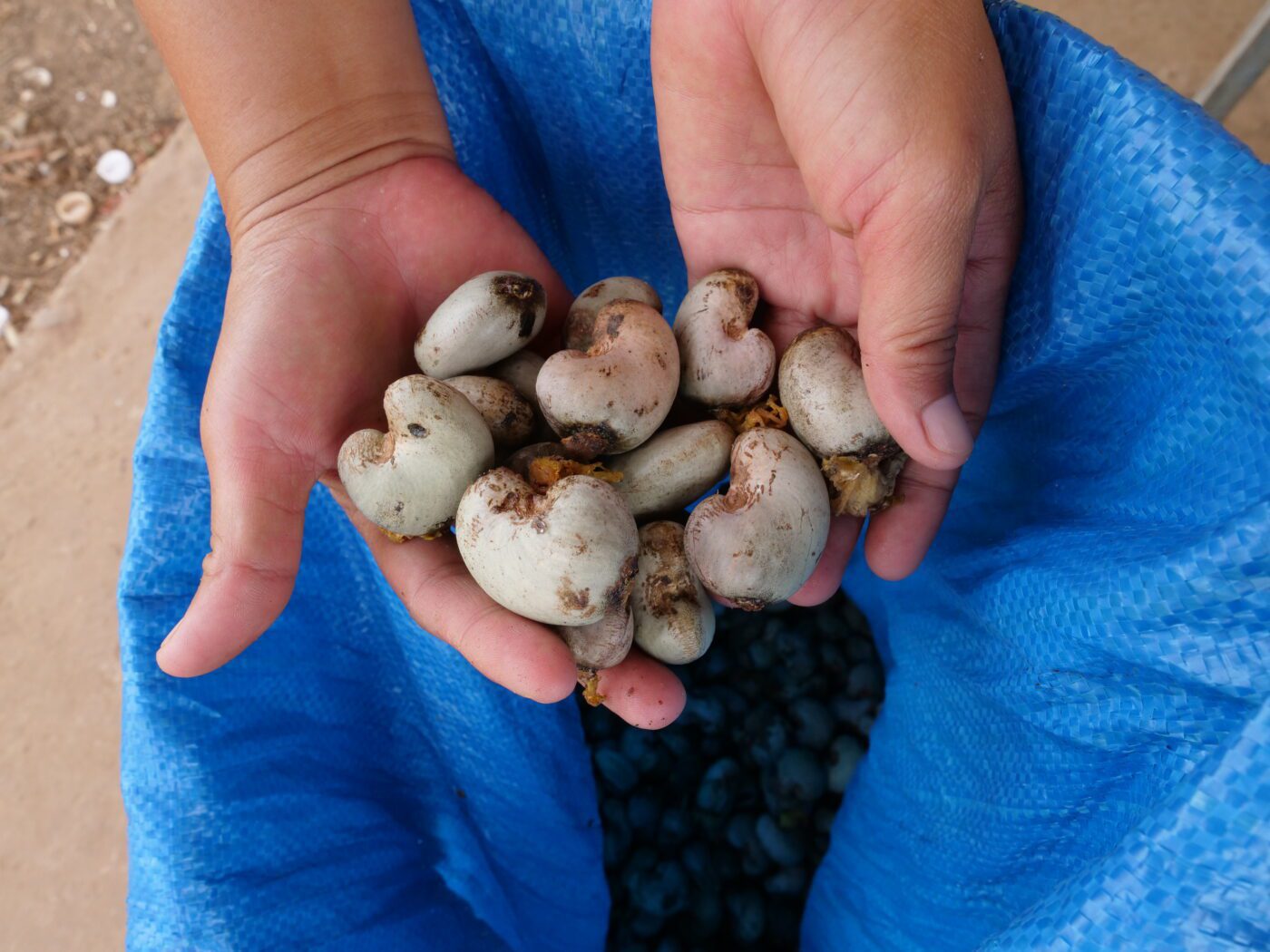
Uon Silot, President of the Cashew Nut Association of Cambodia (CAC), said Cambodia is the world’s second-largest cashew nut exporter, generating up to $1.5 billion in the first eight months of 2025. Although cashew needs minimal agricultural assistance compared to rice, it earns more income than rice.
However, the majority of exports consist of raw cashew nuts, as domestic processing plants have not expanded yet. CAC envisions that there will be more manufacturing investments for crop processing in Cambodia via the government’s effort.
“Because domestic processing offers 100% benefit to our country, we are not only able to produce edible cashew nuts and oil, but also biochar [a form of agro-chacoal that helps improve soil health] from agricultural waste,” said Silot. “The market for processed cashew is large, but due to limited production, it is challenging to supply the international demand.”
Meanwhile, Cambodia Rice Federation (CRF) said rice prices have dropped to between 630 and 1,010 riel per kilogram for all varieties since mid-July, fueling frustration among Cambodia’s farmers.
India, recognized as the world’s largest rice exporter, plans to release 20 million tons of rice to the global market, which will cause an oversupply. On the other hand, the Philippines is suspending rice imports to avoid importing low-priced rice and maintain a stable market to protect Filipino farmers, online news portal Kiripost reported.
CamboJA contacted Lun Yeng, Secretary-General of the CRF, but did not receive a response at the time of publication.
Sovicheat viewed that the sudden change in global demand has clearly led to shrinking rice demand in the current period. As such, he recommended farmers keep rice stock, as there might be a chance of rice shortage. The Philippines and Indonesia might open up imports again after the suspension.
“If it is necessary to sell the crop or pay off their debts, for instance, farmers should seek help from ARDB [Agricultural and Rural Development Bank], their partner rice mills, to negotiate a fair price, or ask for support,” he said.
In a recent statement on interventions on the fall of rice price, Khim Finan, spokesperson of MAFF, said the ministry will support rice mills to purchase rice stock from local farmers, assist farmers in covering cultivation expenses, while encouraging them to set up modern agricultural communities.