Listen to the audio version of this article (generated by AI).
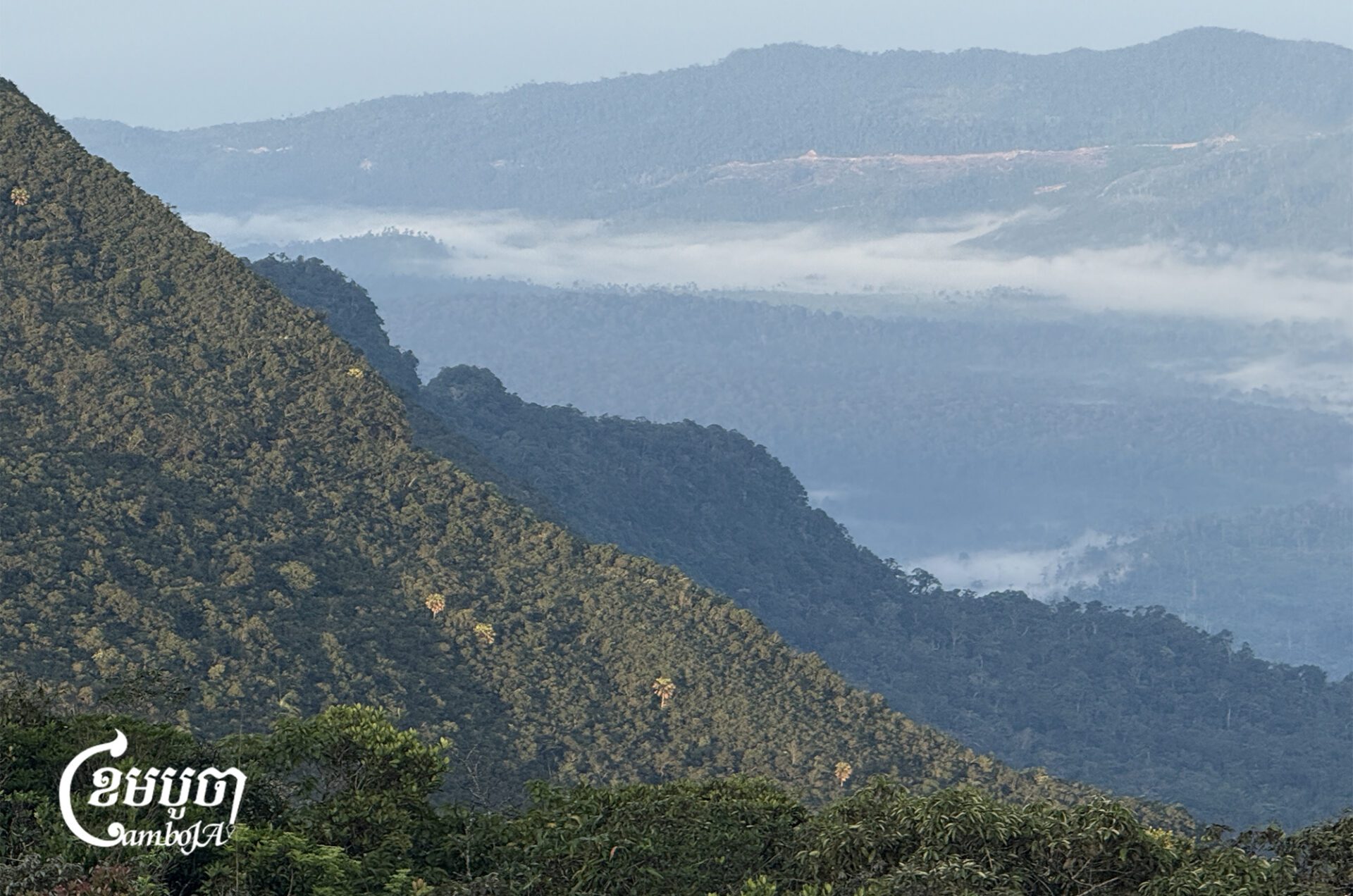
Cambodia ranked number one globally for the Natural Environment category in the 2026 Best Countries ranking by U.S. News & World Report due to its low industrial footprint, and strong land and resource sustainability.
Natural Environment was one of eight categories assessed in the report, which was released on May 13. Hundred countries were evaluated across eight categories, including governance, health, infrastructure, opportunity, culture and tourism, and natural environment, using a data-driven framework weighted by 42 global experts from academia, think tanks, and international organizations.
While Cambodia came in first worldwide for Natural Environment, it ranked 91st overall across all eight categories.
The Natural Environment category measures sustainability through indicators such as carbon emissions, forest-area change, air quality, and urban green space.
The recognition is a reflection of the government’s efforts to protect and conserve natural resources, according to Environment Minister Eang Sophalleth in a statement via Facebook.
Environmental experts, however, welcomed the result with caution, saying broader challenges, including deforestation and ecosystem loss, still need to be addressed.
“It is a great honor for Cambodia and its people to receive international recognition for achievements in environmental protection and natural resource conservation,” Sophalleth said.
Cambodia manages 73 protected areas covering more than seven million hectares or about 41% of the total land area, with the aim of preserving forests, wildlife habitats, and biodiversity through stricter environmental protection laws.
San Mala, executive director of the Partnership for Environment and Development organization (PED), said while the ranking is positive and should be welcomed, he called for increased consideration of the broader environmental situation.
“Cambodia is a developing country, so there are not many large-scale industrial factories. We do not have significant pollution from industrial emissions, which helps preserve the natural environment,” Mala mentioned.
“However, forests continue to be lost and degraded day by day, while the rights of environmental defenders are increasingly restricted.”
According to Global Forest Watch, Cambodia lost three million hectares of tree cover between 2001 and 2025, with around 97% of this loss occurring in areas primarily driven by deforestation.
Mala said that despite ongoing forest loss and illegal logging, the government has struggled to effectively protect forests and has also limited the role of Indigenous communities, environmental activists, and NGOs in monitoring and advocacy.
In addition, civil society participation is often viewed as damaging to government reputation, while NGO reports are frequently dismissed as lacking credibility or comprehensiveness.
He also pointed out that while Cambodia ranked high in the Natural Environment category, scores in the other seven categories were low, including Economic Development (97th), Civic Health (95th), and Infrastructure (91st) which should be to reform.
“I think we [government] should move away from flattery, where we accept only good points but negative points or low scores [are] usually rejected,” he said. “It is time that we conduct self-criticism and analyze the weak side to make it better.”
Khvay Atitya, spokesperson for the Ministry of Environment, told CamboJA News that they will continue implementing environment policies, including expanding green cover by planting at least one million trees annually and supporting improvements in community livelihoods.