Listen to the audio version of this article (generated by AI).
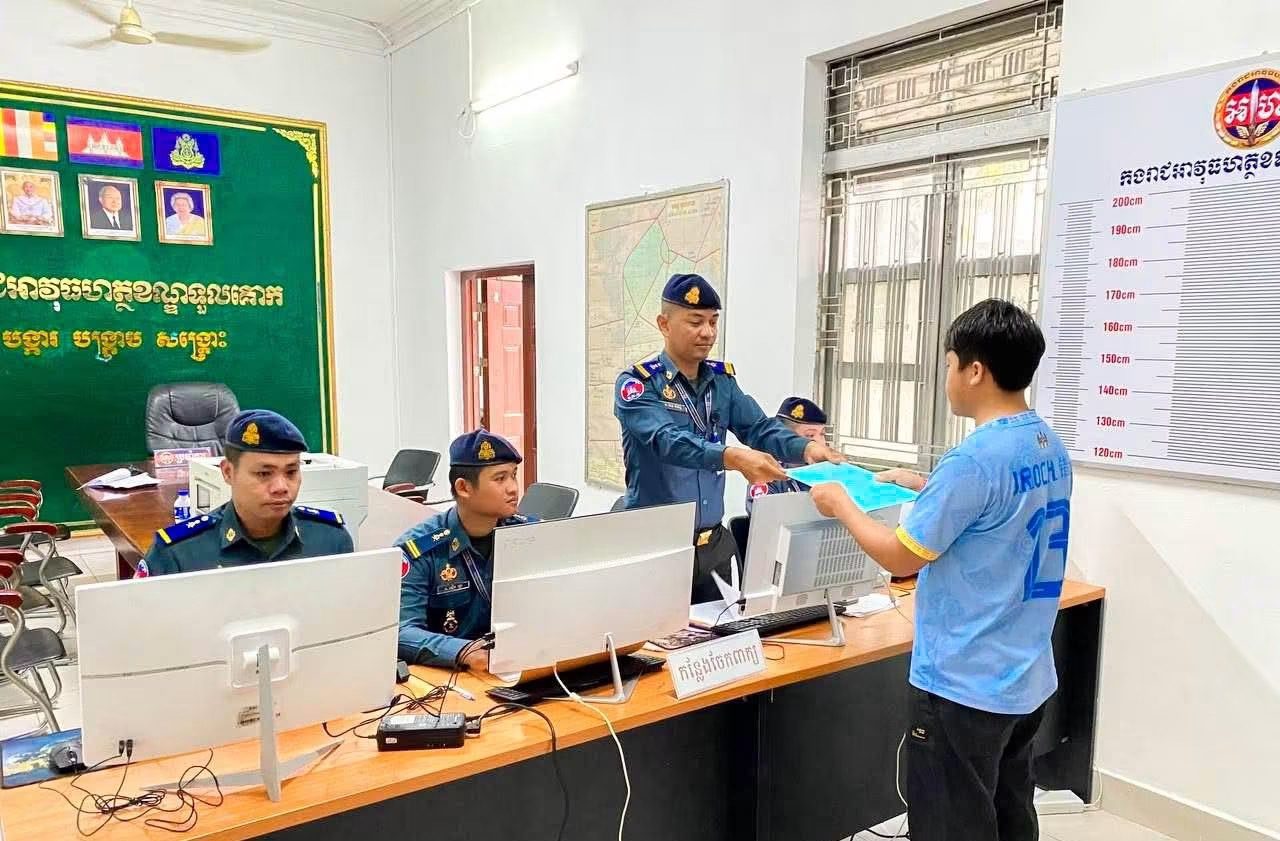
About 3,000 people have applied for military service since Cambodia began enforcing conscription this week, Prime Minister Hun Manet said Friday, more than a year after deadly border clashes with Thailand.
Under Cambodia’s new Military Service Law, men ages 18 to 25 can be required to serve 24 months. Hun Manet said the Ministry of National Defense will set an annual quota based on the military’s actual needs. Under rules Hun Manet signed in August, recruits are selected through voluntary enlistment and a lottery.
“We will accept volunteers until the 10th, and then decide how many to take, what quota to set for this year, and for next year, we will review,” Hun Manet said in a speech at a graduation ceremony at Asia Euro University. “We will have intakes almost every year, proceeding step by step.”
He called the first year “a historic year for the implementation of the military service law.”
“This military service law, for reserve officers, is a policy aimed at investing, and building to strengthen human resources,” Hun Manet said.
Defense Minister Tea Seiha said that this week application forms will be handed out through Oct. 9, and applications will be accepted through Oct. 15. The law applies only to men, and service is voluntary for women. Under Article 13 of the law, refusing to serve in peacetime carries a penalty of six months to two years in prison and a fine of up to $1,000. The penalties rise to as much as five years in prison during war or a foreign attack.
The law took effect in May, replacing a 2006 conscription law that was never enforced. The old law applied to citizens ages 18 to 30 and set service at 18 months.
Hun Manet announced the plan in mid-July 2025, weeks after a border skirmish killed a Cambodian soldier and days before five days of fighting broke out. Fighting resumed in December before a ceasefire was reached. The clashes killed more than 100 people and displaced hundreds of thousands on both sides of the border.
Hun Manet said recruits will start with three months of initial training, followed by two years of service in which they will continue training in practical skills and other duties.
“What they learned during these two years will be a valuable resource. Furthermore, our military is undergoing reforms, and this training is an essential part of reforming and modernizing the military,” he said.
The Ministry of National Defense is also changing how soldiers are paid. In August, Tea Seiha ordered military units to open bank accounts for all soldiers so that salaries can be paid through banks rather than in cash, with the switch expected next year.
The prime minister said training will go beyond combat tactics to include technical skills such as radio communications, electronic equipment maintenance and aircraft maintenance. Some recruits will also be trained in emerging military technologies, including drones and artificial intelligence, he said.
Ministry of National Defense spokesperson Maly Socheata did not immediately respond to a request for comment.
Am Sam Ath, operations director of rights group Licadho, said the government should guarantee allowances for those who serve and legal protections so they can return to their studies and careers.
“This initial compulsory service, we have seen that many young people have volunteered to serve in military service,” he said.
He said that because this is the first year of the program, it is not yet clear what challenges will need to be addressed, but that recruits must receive support and protection.