
Listen to the audio version of this article (generated by AI).
UPDATES:
3:35 pm: U.S. Secretary of State Marco Rubio spoke with Thai Foreign Minister Sihasak Phuangketkeow on Dec. 18, during which he expressed Washington’s concern over the continued violence along the Cambodian border and stressed the urgent need to reduce tensions, a spokesperson for the U.S. Department of State said.
Rubio urged Thailand to take concrete steps to de-escalate the situation and to return to implementing the Kuala Lumpur Peace Accords.
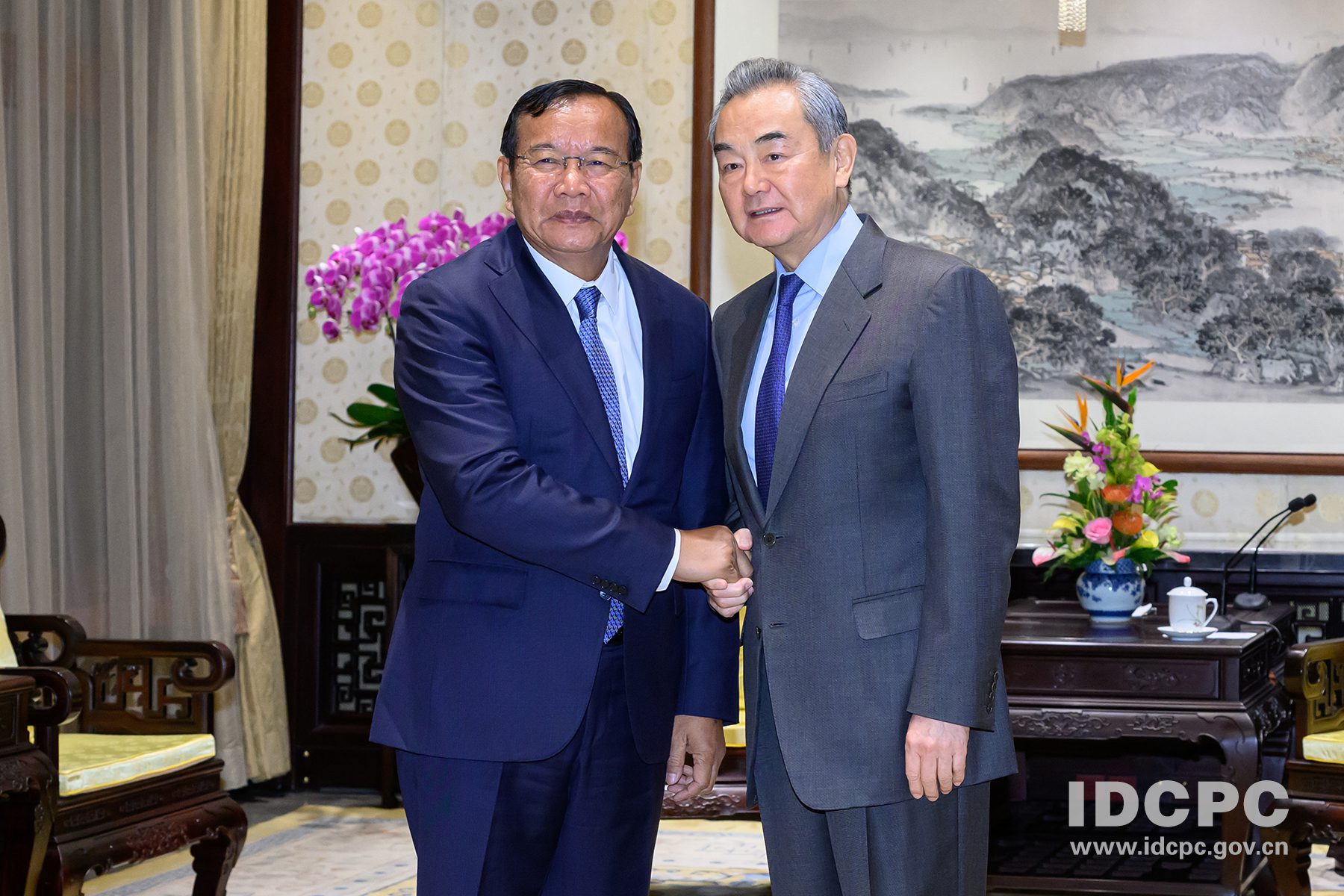
2:50 pm: Cambodian Foreign Minister Prak Sokhonn said on Friday that during his phone call Thursday with Chinese counterpart Wang Yi, both sides reaffirmed their commitment to an “ironclad Cambodia-China friendship” and to further strengthening the comprehensive partnership between the two countries.
He added that they exchanged views on regional and international issues, including the Cambodia-Thailand border situation, but he did not repeat Wang’s earlier remarks about both sides’ willingness to de-escalate tensions or implement a ceasefire.
Thailand’s foreign ministry has not yet released a statement on the call.
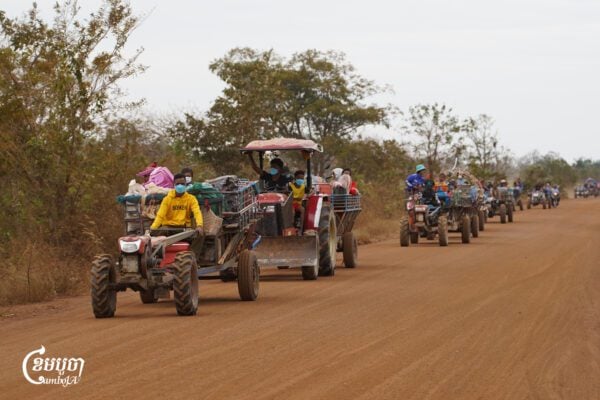
1:40 p.m: As of Friday morning, the total number of displaced people in Cambodia had risen to 498,328 across 14 provinces, according to the Ministry of Interior.
China’s recent shuttle diplomacy with Cambodia and Thailand ended with both countries’ foreign ministers “expressing willingness” to de-escalate tensions and implement a ceasefire as fighting along their shared border nears its second week, a Chinese foreign ministry spokesperson said.
Chinese Foreign Minister Wang Yi held separate calls Thursday with his Cambodian and Thai counterparts, Prak Sokhonn and Sihasak Phuangketkeow, the ministry said.
“China has consistently advocated for peaceful dialogue and maintained a fair and impartial stance, while supporting ASEAN’s mediation efforts,” Wang said in a statement, adding that China will continue to “serve as a bridge and make constructive efforts to facilitate the restoration of peace between the two countries.”
Neither the Cambodian nor Thai foreign ministry had released a statement on the calls as of Friday morning.
The Chinese diplomatic push has come as earlier international mediation efforts foundered. U.S. President Donald Trump said last week he had helped broker a return to a ceasefire he led earlier this year, though fighting has continued.
Thai caretaker Prime Minister Anutin Charnvirakul also told local media on Thursday he was unaware of China’s diplomatic efforts, despite the calls among foreign ministries.
U.N. High Commissioner for Human Rights Volker Türk said Thursday he was alarmed by the spiraling conflict and its impact on civilians, calling for an immediate end to the fighting.
He said the widening hostilities and the use of air strikes and heavy weaponry in and around populated areas raise serious concerns about the protection of civilians.
“Under international humanitarian law, it is very clear that protection of civilians and civilian infrastructure is paramount,” he warned.
According to Cambodia’s Ministry of Interior, at least 18 civilians have been killed, 79 injured, and nearly half a million displaced since clashes resumed in early December.
Thailand has reported 21 civilians and 21 soldiers killed as of Wednesday, with more than 260,000 displaced and sheltering in camps.
Cambodia has not published the number of soldiers killed since hostilities resumed.