
Listen to the audio version of this article (generated by AI).
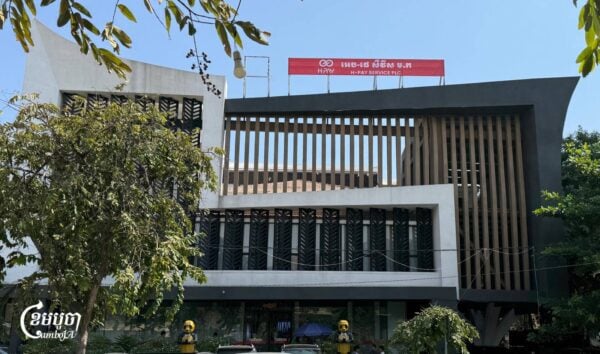
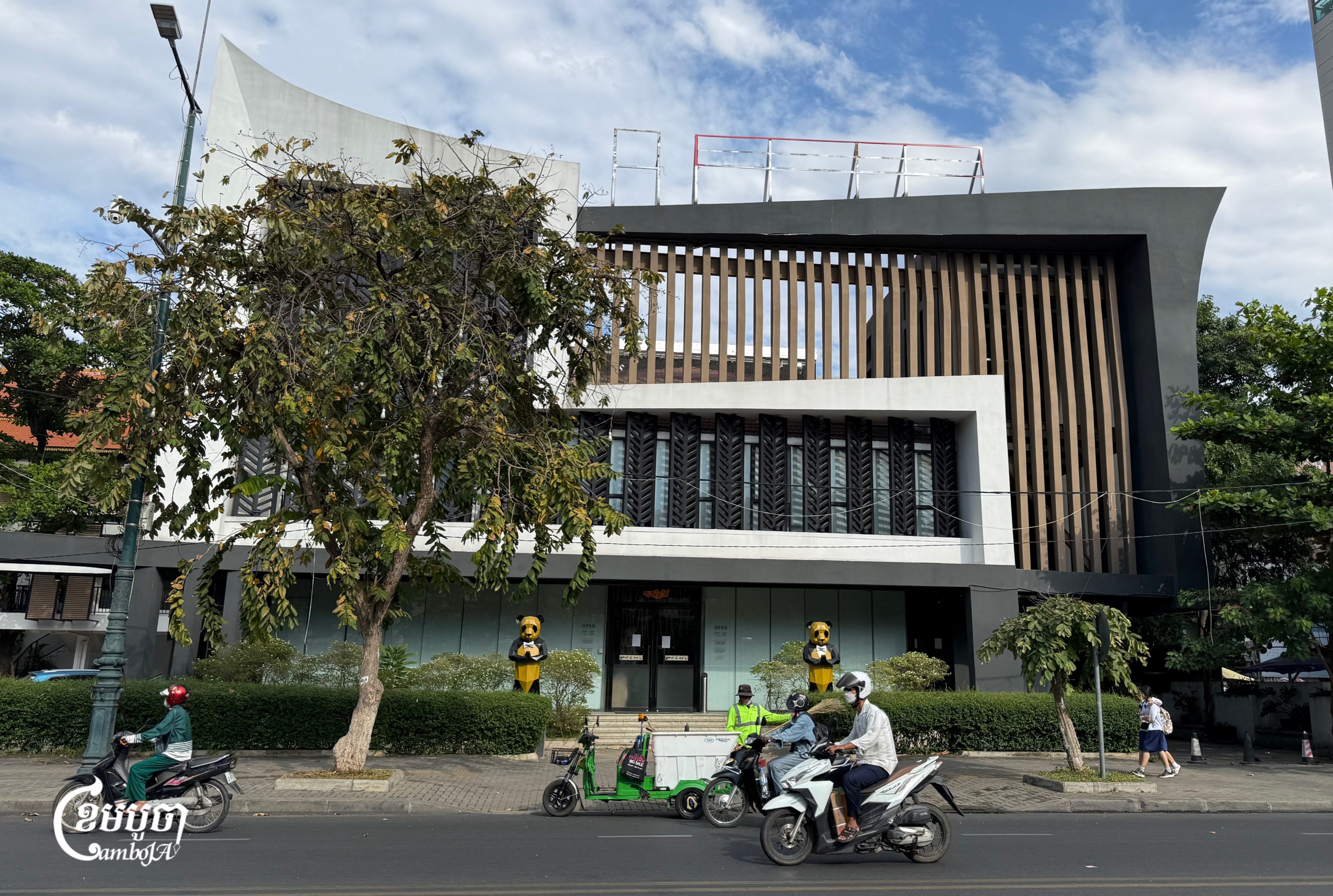
Huione Pay, the U.S.-blacklisted payments platform that recently rebranded as H-Pay, pulled down its new signage days after a CamboJA News report on the change and just before a nationwide run on customer accounts triggered by its suspension of withdrawals.
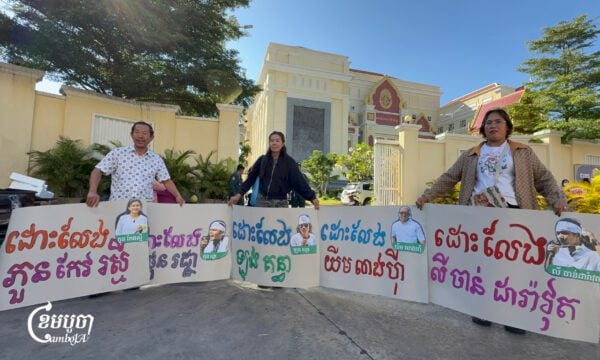
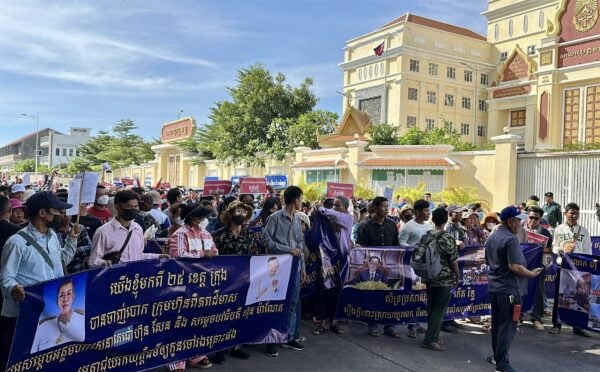
Crowds in the thousands rushed Monday to Huione Pay or recently burnished H-Pay branches in Sihanoukville and the company’s Phnom Penh headquarters to pull out cash but were unable to do so, one account holder told CamboJA News on Wednesday, a finding corroborated by social media posts and a company statement.
A notice titled “Huione Deferred Payment Plan,” posted in Chinese at the entrance of the headquarters on Monday, said that “due to recent changes in the external market environment, millions of users experienced a sudden run on their funds.”
“After careful evaluation and internal research, a phased repayment extension arrangement has been implemented,” the notice said, adding that the extension is intended to protect customer funds and prevent losses caused by short-term liquidity pressures.
Branches will remain closed until Jan. 5, 2026, with customers offered either an 18-month locked-in product with an 18% return or a gradual withdrawal scheme that releases 6% of their balance each month from June to April 2026, followed by a final payout in May.
Huione Pay, the online banking arm of Huione Group, has faced mounting scrutiny since the conglomerate was sanctioned earlier this year by the U.S. for allegedly laundering billions of dollars tied to crypto scams and North Korean hacking groups. A crypto analytics firm that examined Huione’s operations last year described it as the “largest ever online illicit marketplace.”
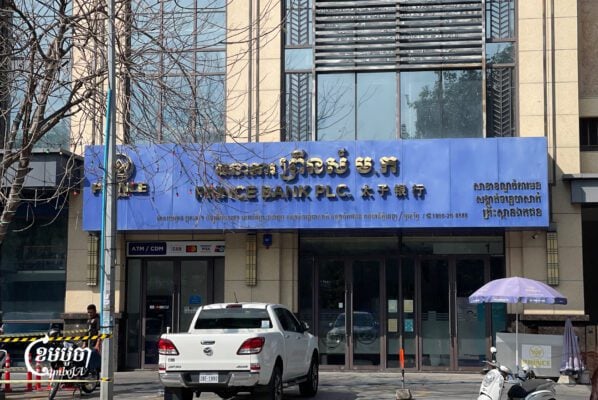
South Korea followed with sanctions last week against Huione Group and Cambodia’s Prince Group, which U.S. and U.K. authorities had earlier blacklisted after alleging Prince involvement in online scam networks and human trafficking operations.
Despite revelations that the Huione Pay had been operational, the firm was stripped of its banking license by the National Bank last year for “noncompliance of regulations.”

One Huione Pay user, who requested anonymity due to security concerns, said he uses the platform because his Chinese employer pays him through it. He had never experienced problems before, he said, but believes recent sanctions on alleged organized crime triggered the sudden run on withdrawals.
The one-month suspension is especially difficult because his salary is held as USDT, a stablecoin pegged to the U.S. dollar, inside his Huione account.
“It’s hard. We need to use the money but now it’s stuck,” the user said, adding that he works as a translator.
He said that to withdraw cash he typically sends his USDT to an exchange to convert it to U.S. dollars. Those exchanges are still operating, he said, but they [a cryptocurrency exchange] now take a 50% cut from each withdrawal.
Before this announcement, Huione had already limited customers to withdrawing just $2,000 per day, he added.
After the account run settled Wednesday, the National Bank of Cambodia (NBC) issued a statement confirming that Huione Pay’s operating license had been revoked in September 2024, correcting earlier reports that it was stripped in March. The statement said the company completed its liquidation by June 19, “with all obligations to creditors, including customers, fully settled.”
NBC also highlighted risks from the ongoing circulation, buying, selling and settlement of crypto assets, which are prohibited in Cambodia.
“The National Bank of Cambodia would like to inform you that to date, there is no banking and financial institution that has received permission from the National Bank of Cambodia to provide services related to crypto assets,” the statement said.
NBC Governor Chea Serey did not respond via WhatsApp when asked whether the central bank knew Huione was still operating after its license was revoked and dealing in crypto, or whether it would investigate the company. A follow-up question seeking clarity on H-Pay, which still holds a payment service license from the NBC as of Sept. 30, went unanswered.
Interior Ministry spokesperson Touch Sokkhak declined to comment, referring a reporter to the NBC statement.
Huione Pay’s publicly listed phone number could not be reached for comment.
As the company endures renewed spotlight, attention is also turning to the Huione Group’s connections to the politically connected Panda Bank, where corporate records show a seeming overlap of senior leadership and directors despite the bank’s denial of any connection.
Local Huione users are also now facing their own fraud risks, with notices posted at the company’s headquarters warning customers “not to believe in scams,” including false promises from third parties of accelerated withdrawals.