Listen to the audio version of this article (generated by AI).
Prime Minister Hun Manet said on Saturday Cambodia would pursue “all means,” including legal and diplomatic channels, to defend its territory, after Phnom Penh protested what it calls the “illegal occupation” of about 14 areas along its border by Thai forces.
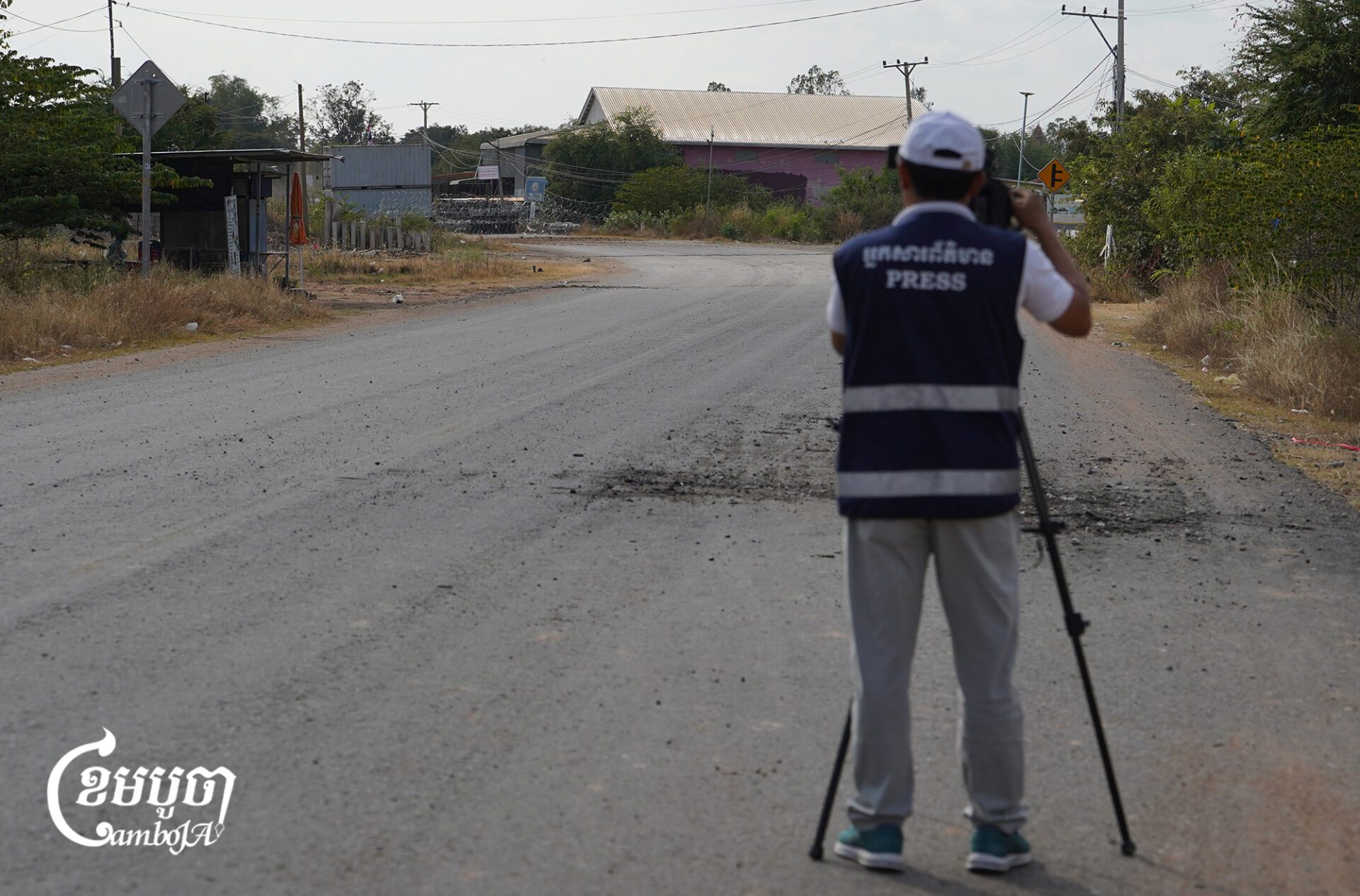
The foreign ministry said early January that Thai troops have fortified the disputed areas with barricades since a Dec. 27 ceasefire, which followed renewed border clashes last month, blocking thousands of displaced Cambodian residents from returning home.
The Cambodian Human Rights Committee has also submitted an appeal to the Office of the UN High Commissioner for Human Rights (OHCHR), accusing Thai forces of demolishing civilian homes and infrastructure in areas under their control.
While Cambodia has previously won cases at the World Court over the disputed Preah Vihear temple along the border with Thailand, such proceedings can take years and risk inflaming tensions.
Any territorial losses from last year’s frontier fighting, which killed hundreds and displaced more than half a million people on both sides, compounded by other domestic pressures, are also seen by observers as an issue the ruling Cambodian People’s Party cannot ignore.
While no timeline has been given for potential legal proceedings, the Cambodian government said it is working on short-, medium-, and long-term plans to assist people affected by the border tensions, including temporary shelters.
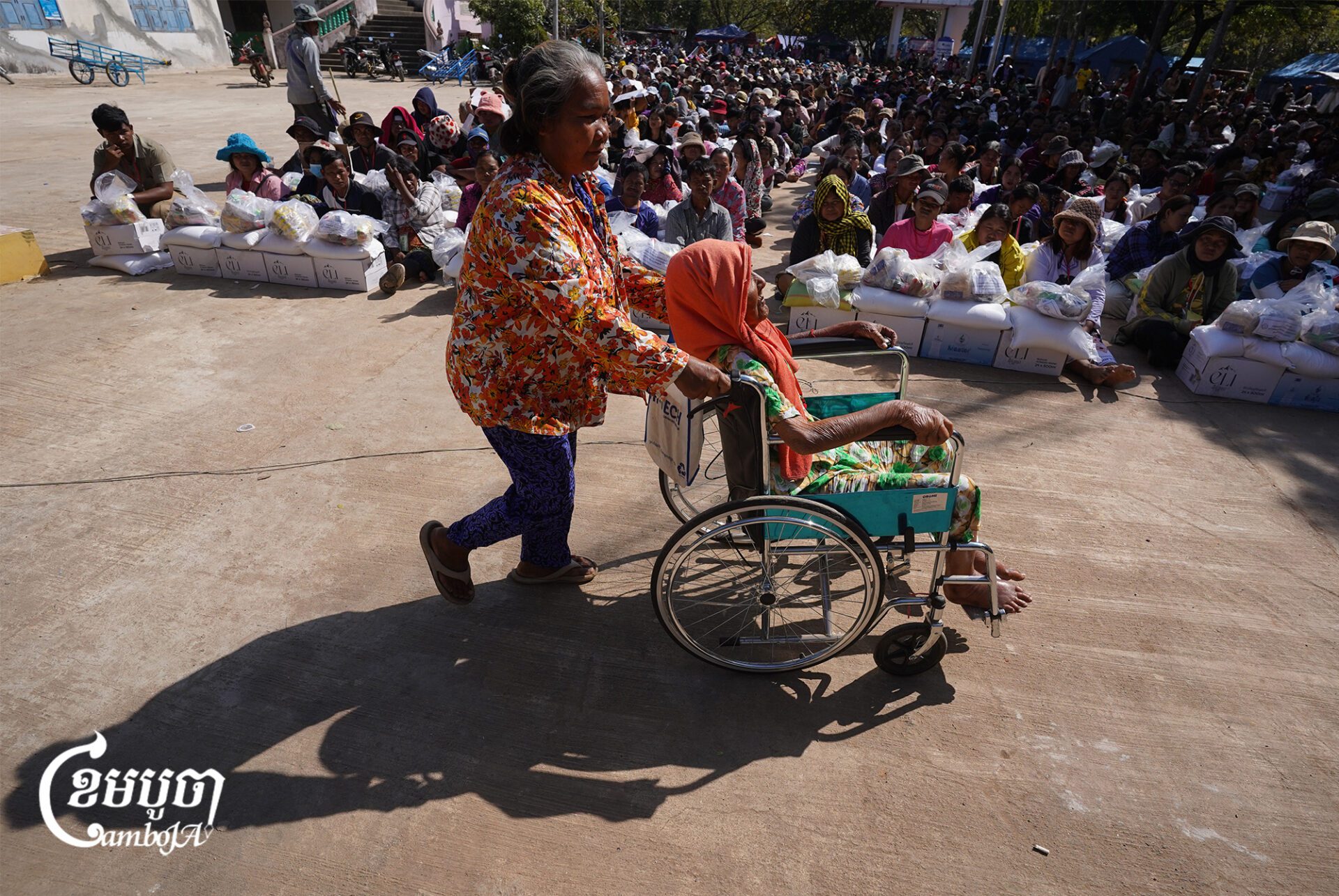
Academics warn that Cambodia faces limited options.
“International courts and mechanisms take a very long time, and we do not see a better alternative,” said Kin Phea, director-general of the International Relations Institute at the Royal Academy of Cambodia, when asked about the country’s options. “Bilateral mechanisms can work only if Thailand is honest and genuinely committed to resolving the dispute together.”
The neighbors’ Joint Boundary Committee is the bilateral mechanism used for border demarcation, but meetings have been uneasy, even after another border committee helped secure a ceasefire and the return of captured Cambodian troops last month.
A previous expanded ceasefire, brokered by the United States, had fallen through before renewed fighting in December.
Phea cited the Preah Vihear temple dispute as a cautionary example. Cambodia first took the case to the International Court of Justice (ICJ) in 1959, winning sovereignty in 1962.
Thailand does not recognize the jurisdiction of the ICJ.

Decades later, tensions flared again after the temple was listed as a UNESCO World Heritage Site in 2008. Cambodia returned to the ICJ in 2011, and it was not until 2013 that the court reaffirmed Cambodia’s control and ordered Thai troops to withdraw.
Thailand’s military, which significantly outmatches Cambodia’s, does not appear to have taken control of Preah Vihear temple, despite seizing most other disputed historical sites and contested areas in December.
Cambodia’s Ministry of Culture and Arts said the Preah Vihear Temple had been severely damaged during the bouts of fighting.
Government spokesperson Pen Bona did not respond to questions on if Cambodia plans to file a new case with the ICJ. Thai Defense Ministry spokesperson Surasant Kongsiri did not immediately respond to a request for comment on WhatsApp.
Deth Sok Udom, an international relations scholar at Paragon International University in Phnom Penh, said he is not optimistic that Thailand will accept border demarcations based on the more than century-old Franco-Siamese treaties established when Cambodia was under French rule.
He added that Thailand may eventually withdraw from areas “unequivocally within Cambodian territory,” depending largely on the actions of a potential new government in Bangkok following elections in February. He also called on the regional ASEAN bloc to take a more active role in pressing both sides to uphold their commitments.
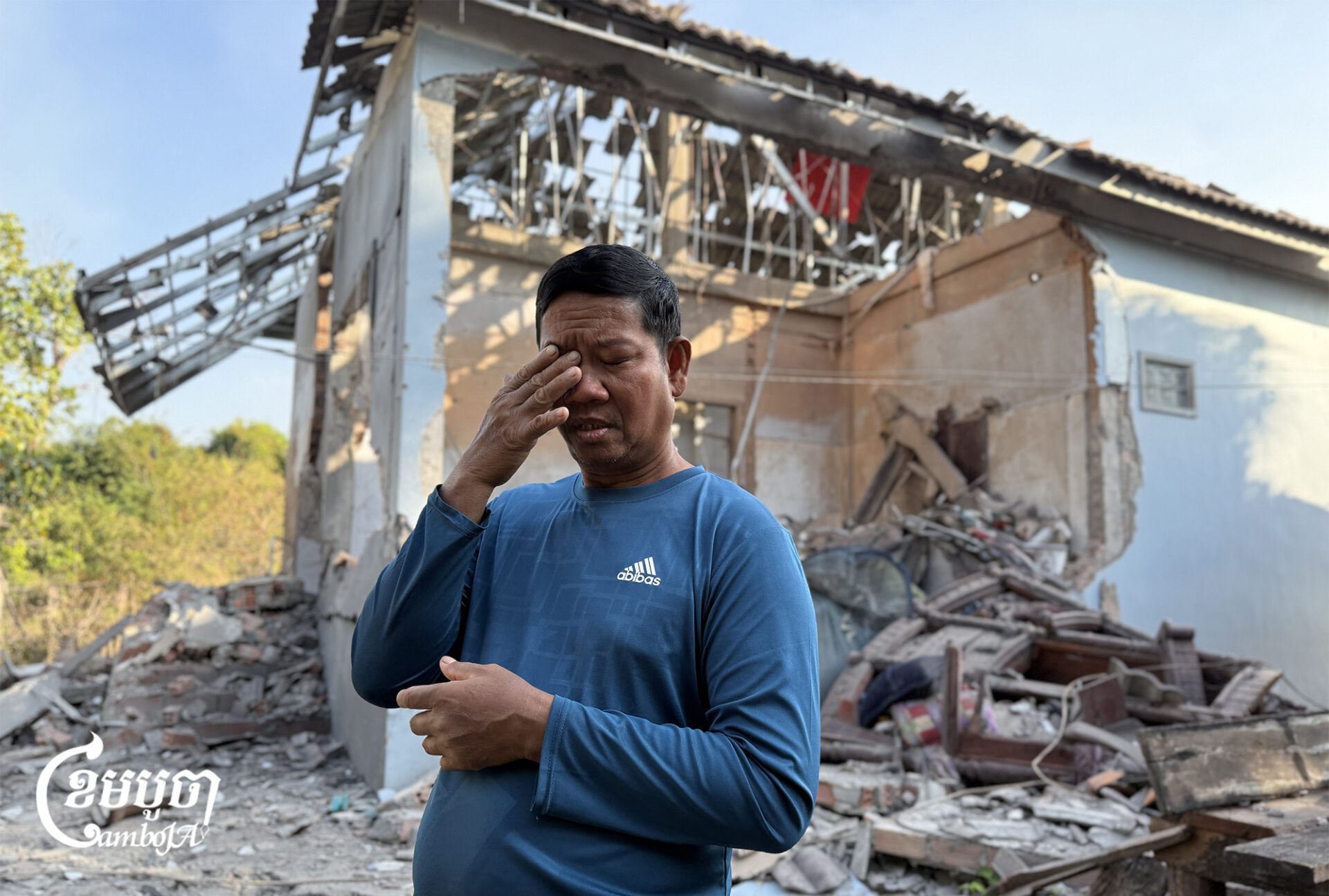
Phea emphasized that the Cambodian government must also focus on the immediate needs of thousands of displaced border residents, including housing and employment.
Hun Manet said the government recently established a task force to restore livelihoods and repair infrastructure damaged by the conflict, with particular attention to losses in crop yields, household debt and the urgent restoration of public services.
Last week, the U.S. committed $45 million to help implement the original expanded ceasefire agreement, known as the Kuala Lumpur Peace Accords, which it helped broker in October.
The funds are intended to support border communities, demining and clearing unexploded ordnance, and programs aimed at combatting scam operations, drug trafficking and other cross-border initiatives.