
Listen to the audio version of this article (generated by AI).
Almost a month after a deadly flare-up with Thai troops along the Banteay Meanchey border forced hundreds of frontier families to flee, most have now returned, authorities said Thursday.
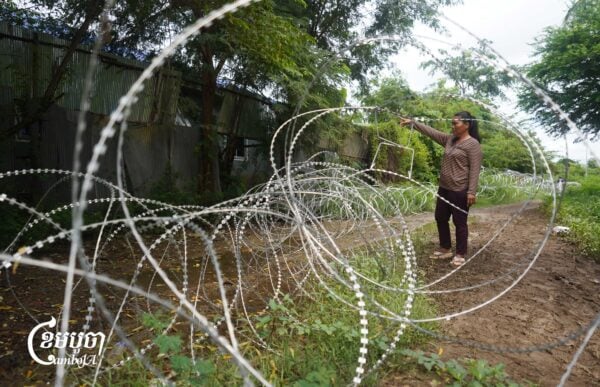
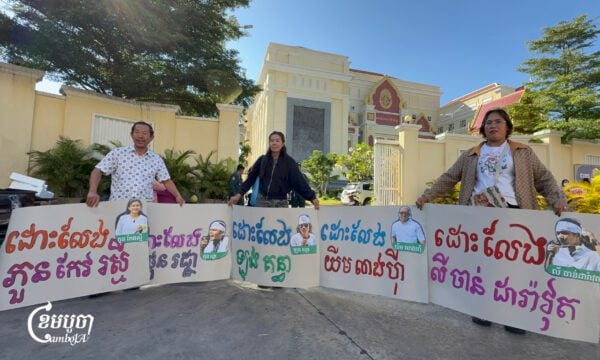
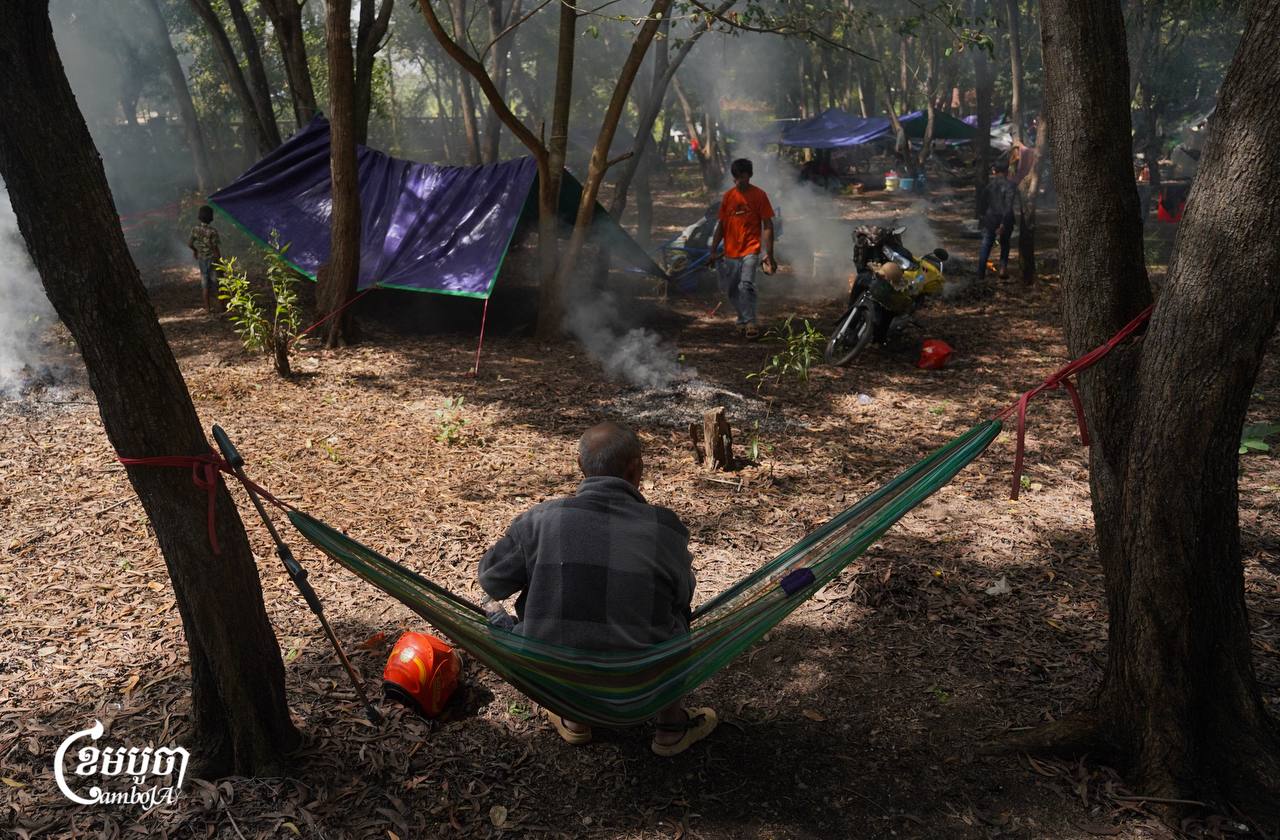
Yet at least 12 families remain in tents just kilometers from their homes behind Thai-installed razor wire they have not been able to cross for nearly four months, a district governor from the disputed areas, Keo Darareaksmey, said.
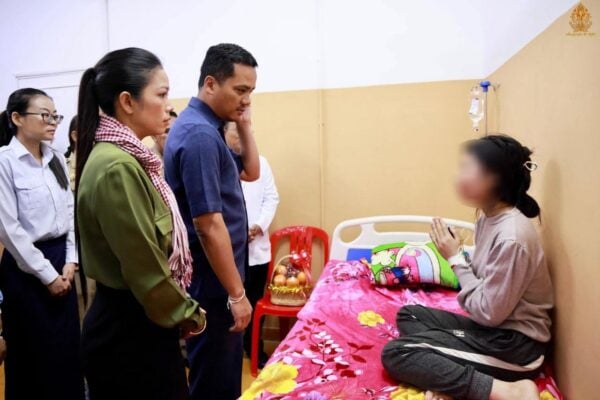
Nearly 850 families from the disputed Chouk Chey and Prey Chan villages, which Thailand claims as its territory, fled in November after one Cambodian civilian was killed and three were injured by gunfire. Phnom Penh says the shots came unprovoked from Thai forces, an account Bangkok denies, saying its troops returned fire after Cambodian soldiers shot into Thai territory.
The incident marked the latest in a series of clashes along many disputed areas of the shared border this year, including four days of full-scale border fighting in July that killed dozens and briefly displaced hundreds of thousands on both sides before a ceasefire took hold.
Before the November shooting in Banteay Meanchey, a separate blast along the Preah Vihear-Sisaket frontier, where a landmine injured Thai soldiers, prompted Thailand to suspend an expanded ceasefire agreement.
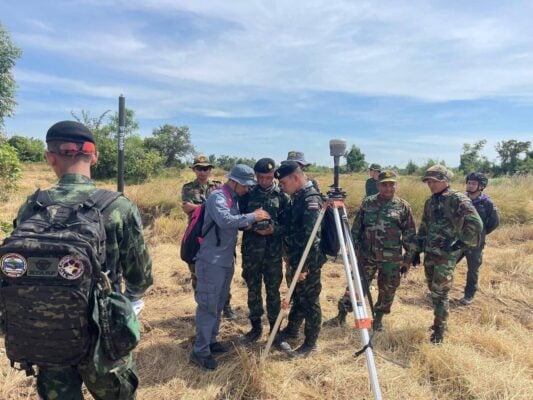
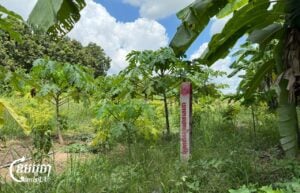
“All of the displaced residents have returned to their homes as the situation has calmed, and we have temporarily installed marker posts,” said provincial spokesperson Norng Vuthy. He was referring to the rollout of joint border surveys in the area, which are seen as easing tensions after the collapse of the expanded ceasefire agreement once touted as a step toward peace.
Darareaksmey, the governor of O’Chrov district, where Prey Chan and Chouk Chey lie on Cambodian maps, backed Vuthy’s assessment that the area has quieted as residents gradually returned since Nov. 25. He noted, however, that authorities cannot remove the Thai-installed razor wire still barring some families from homes and farms they have lived on and cultivated for decades.
He referred questions about the progress of the temporary border demarcation in the disputed zones to the State Secretariat of Border Affairs.
Hul Malis, a resident of Prey Chan whose home remains surrounded by barbed wire, said she returned from a displacement camp deeper in Banteay Meanchey about a week ago.
“Until now, I’m still living in a tent because Thailand has not yet removed the barbed wire surrounding my house,” she said, urging the Cambodian government to help resolve the issue.
Another resident from Chouk Chey, Hol Pharath, said he and his family returned home last week after district authorities allowed villagers back because the situation had calmed.
“There were no problems in the camp, but the difficulty was that my wife had just given birth and we have very young children,” he said, noting that his family includes a two-week-old baby.