
Listen to the audio version of this article (generated by AI).
Concerns have mounted over lesser-known rules in Cambodia’s National Social Security Fund (NSSF), as self-employed workers and civil society groups say informal workers are at risk of losing healthcare benefits after going more than six months without paying into the scheme, a lapse the fund deems “voluntary abandonment.”
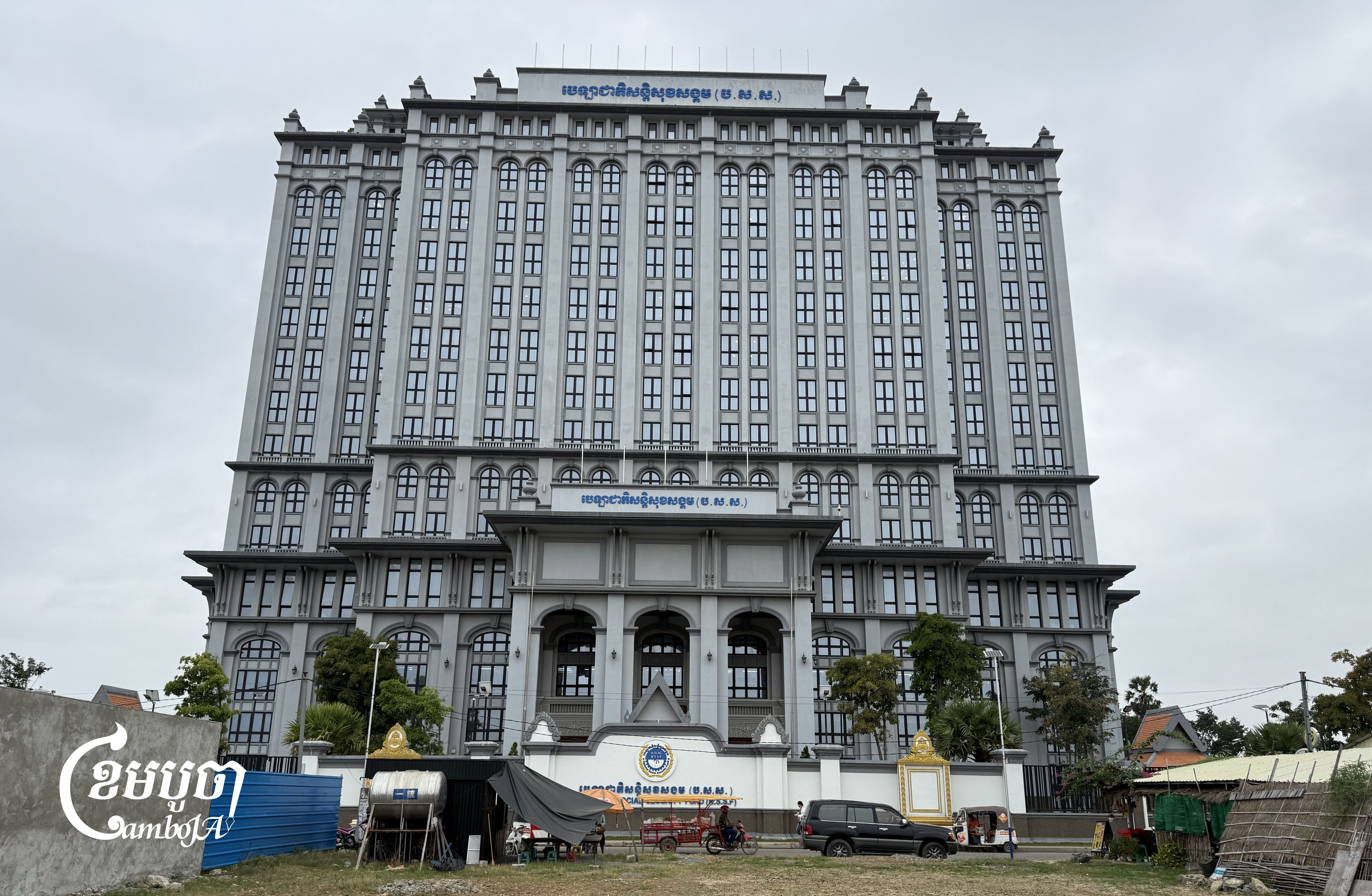
Under the NSSF, social security coverage such as healthcare, unemployment and pensions is provided to workers in the formal, private and public sector.
As of 2023, more than two million private-sector employees and about 400,000 public-sector workers were registered, though benefits remain limited and dependent on aid-reliant services such as the health sector.
The national fund is also limited, as more than 88% of Cambodian workers are informally employed.
A self-employed digital creator in Phnom Penh who asked not to be identified for privacy reasons, wrote on Facebook Wednesday that she permanently lost access to her healthcare benefits after missing six months of payments into the NSSF’s voluntary contribution scheme for self-employed workers.
She said the policy seemed unreasonable, noting the NSSF told her she had “abandoned” her payments, which disqualified her from the voluntary scheme rather than allowing her to pay a fine or make back payments.
She later deleted her widely shared post after speaking with NSSF officials and posted a follow-up summarizing their response. Officials confirmed she cannot rejoin the scheme as a self-employed member under current rules, though she could regain benefits if she enters formal employment. They also said future policy changes may create a pathway for self-employed workers to re-enroll.
Other workers have voiced similar concerns. Sovan Vary, a tuk-tuk driver in Phnom Penh, said she worries missing payments could result in a lifetime ban. Her monthly contribution is about 15,600 riel, roughly $4, nearly a day’s wage for many informal ride-hailing workers in the capital.
Vary said the NSSF program for informal workers helps ease healthcare expenses.
“I think setting such conditions is very harmful. People are poor, and lack of knowledge or simple negligence may occur because everyone is busy with their business,” she said.
For the most vulnerable, Cambodia’s IDPoor program provides subsidized or free healthcare, though accessibility lags for households that quickly qualify after economic shocks.
Khong Leakhena, who formally works at a bank in Phnom Penh, called for a penalty system that allows back payments instead of imposing a lifetime ban, stressing that public services should be simple and accessible to all workers.
“It would be good if the penalty were as low as possible for the number of months someone has to pay back before they can use the NSSF again,” she said.
Civil society groups have made similar calls. Vorn Pao, president of IDEA Cambodia, a global advocacy group supporting informal traders, said citizens who miss payments should face fines or be referred to social assistance rather than losing benefits for life.
He also urged fairer tax collection and noted that the NSSF has made progress by allowing workers from all sectors, including the self-employed, to join the system.
Addressing concerns with local media Wednesday, Heng Sophannarith, deputy director general of the NSSF, said under the voluntary health care contribution scheme, missing payments for more than six months is considered a voluntary waiver.
He stressed members can regain benefits if they later take formal employment and that the rule only applies to the voluntary scheme.