
Listen to the audio version of this article (generated by AI).
As border tensions between Cambodia and Thailand show “no signs” of easing soon despite interventions by the US, Malaysia and China, analysts warn the impacts could deepen over time. While national attention remains focused on security and humanitarian needs, experts say early recovery planning is equally “important”, drawing lessons from Cambodia’s past conflicts to help longer-term consequences.
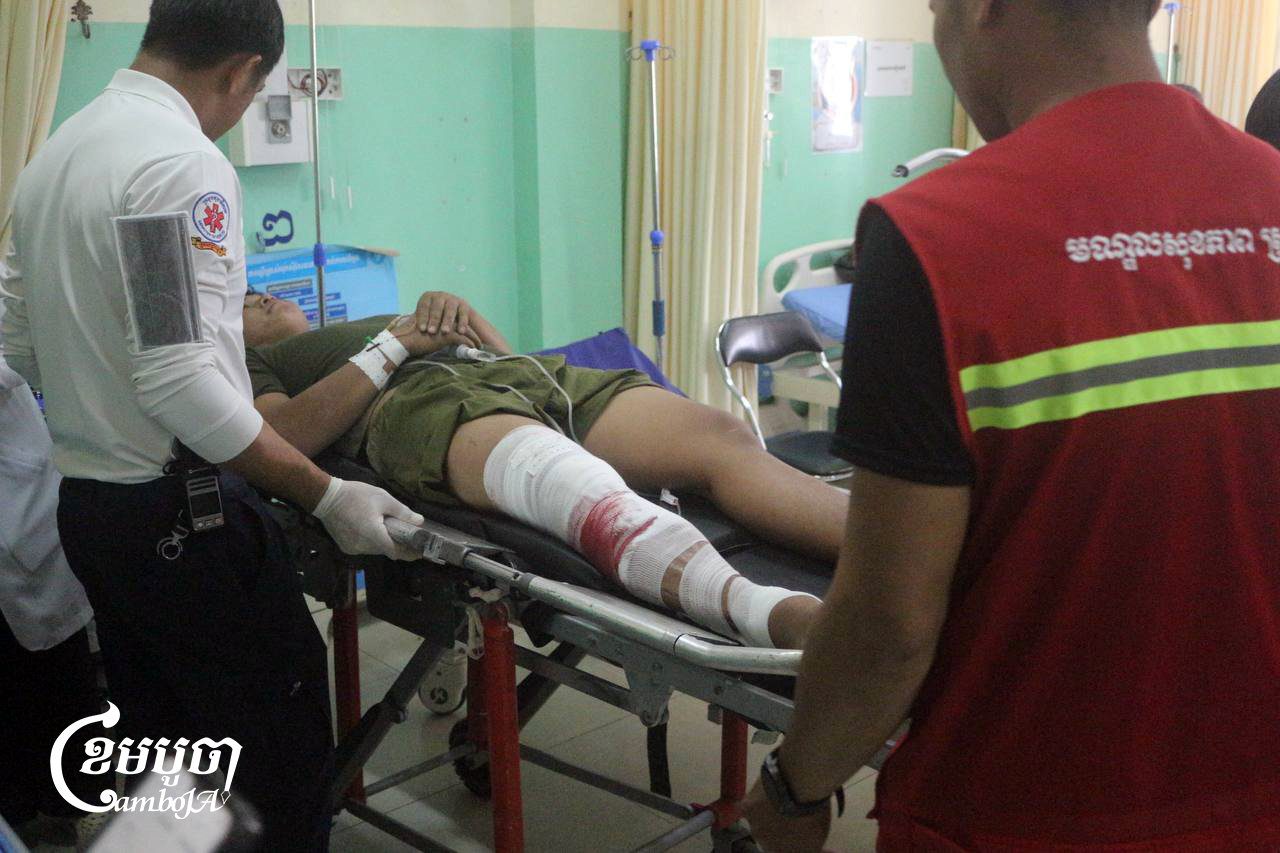
As of December 17, the Cambodia and Thailand border conflict entered its 10th day following a Thai military attack on December 7 which killed 17 Cambodian civilians and injured 77 people.
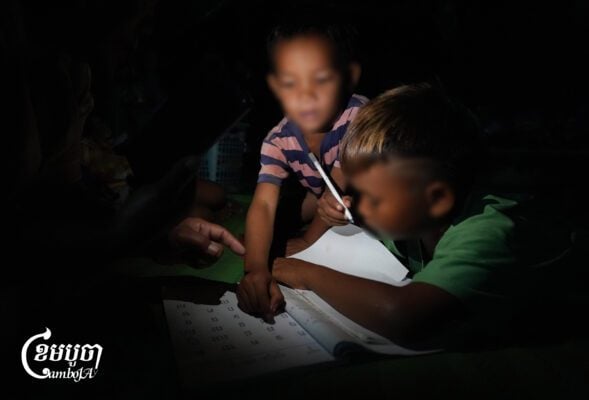
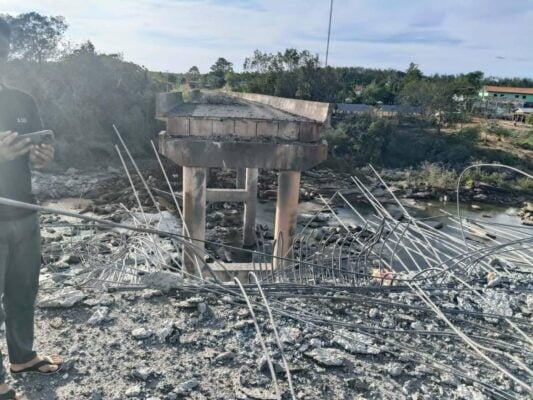
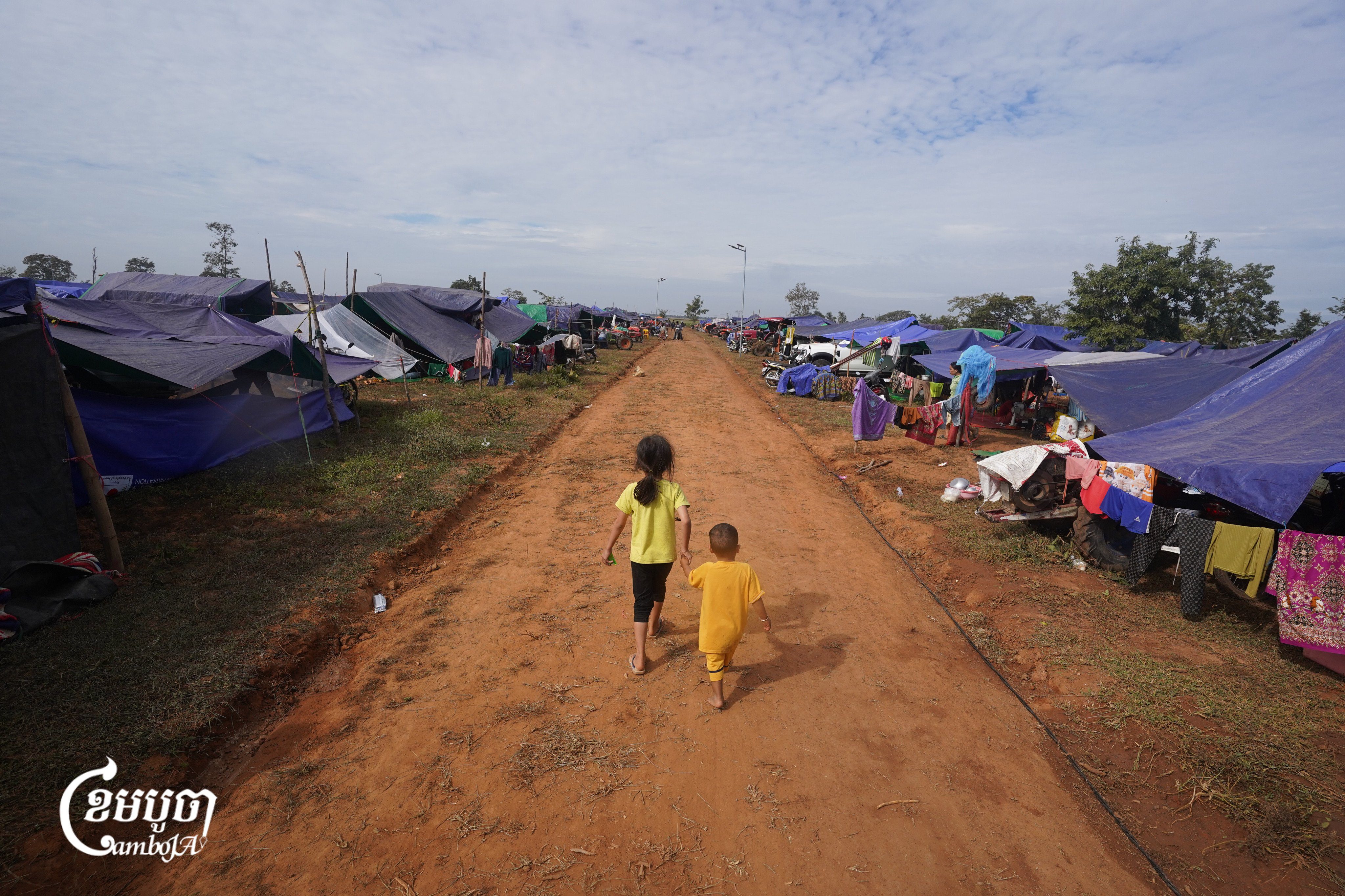
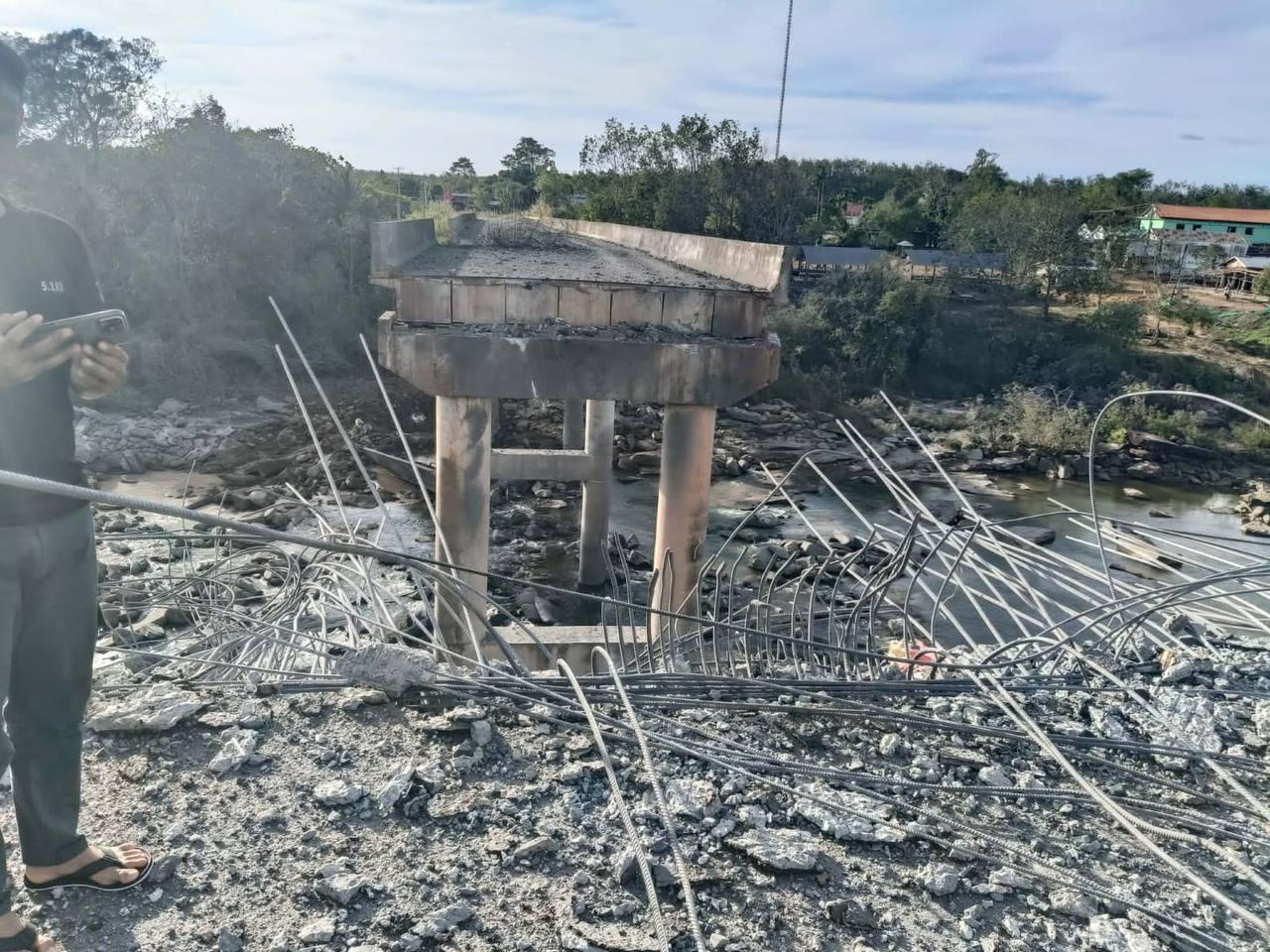
The renewed conflict has displaced nearly 439,000 people across seven provinces, most of them women and children, who fled their homes. The attacks have caused damage or destruction to schools, homes and public infrastructure, including the Victory Bridge in Pursat province.
Concern rippled through communities, prompting many to rally together to donate food and supplies to evacuees and military personnel amid the conflict.
While the focus has been on immediate needs, discussions on post-conflict planning have yet to begin, experts said. Ensuring immediate support is crucial but they suggested establishing a dedicated committee or task force to organize and oversee recovery efforts, provide guidance on housing reconstruction, livelihood restoration, and support for affected families and military personnel once the fighting subsides.
Shadow of uncertainty
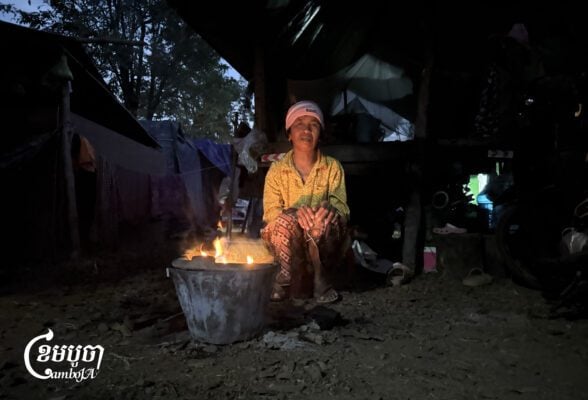
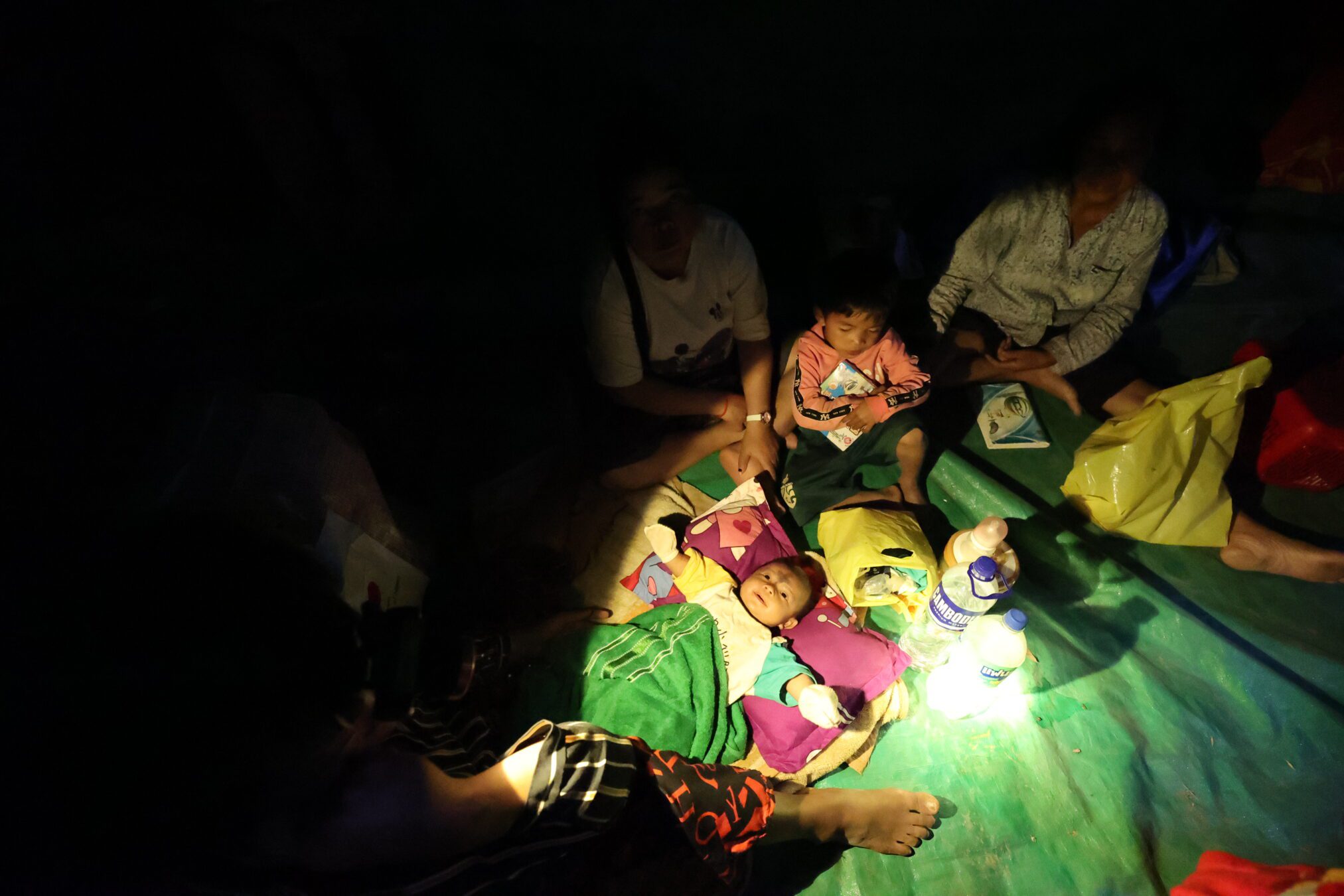
For evacuees, uncertainty of their future is like a “dark shadow”. Families left their homes with only what they could carry, unsure if their houses remained standing, their fields or livestock survived or schools and roads were destroyed.
These concerns were evident among displaced people when asked what their plans or hopes were when they return home after the conflict.
Sun Srun, 52, who fled her home on December 7, the day renewed attacks began, said her worries extend beyond immediate survival.
“We left quickly and couldn’t bring anything … we just ran,” she said. “I keep thinking about my home, the crops in the field, and whether we will ever be safe.” She said after the conflict, “we don’t know what we will do to feed ourselves”.
When asked if she had any plans once the conflict ends, 60-year-old Chum Neoun, whose soldier son is stationed on the frontline in Preah Vihear, said she was unsure.
She has fled twice, including the one which broke out in July, taking shelter in Siem Reap province.
“I have no other thought. I only hope to survive to see my son after this, who is fighting in a battlefield,” she said.
Amid this, she is also worried about repaying her bank loan she took to build her house. She said the bank agreed to pause her payments after she promised to start paying once she returns.
Immediate aid isn’t enough
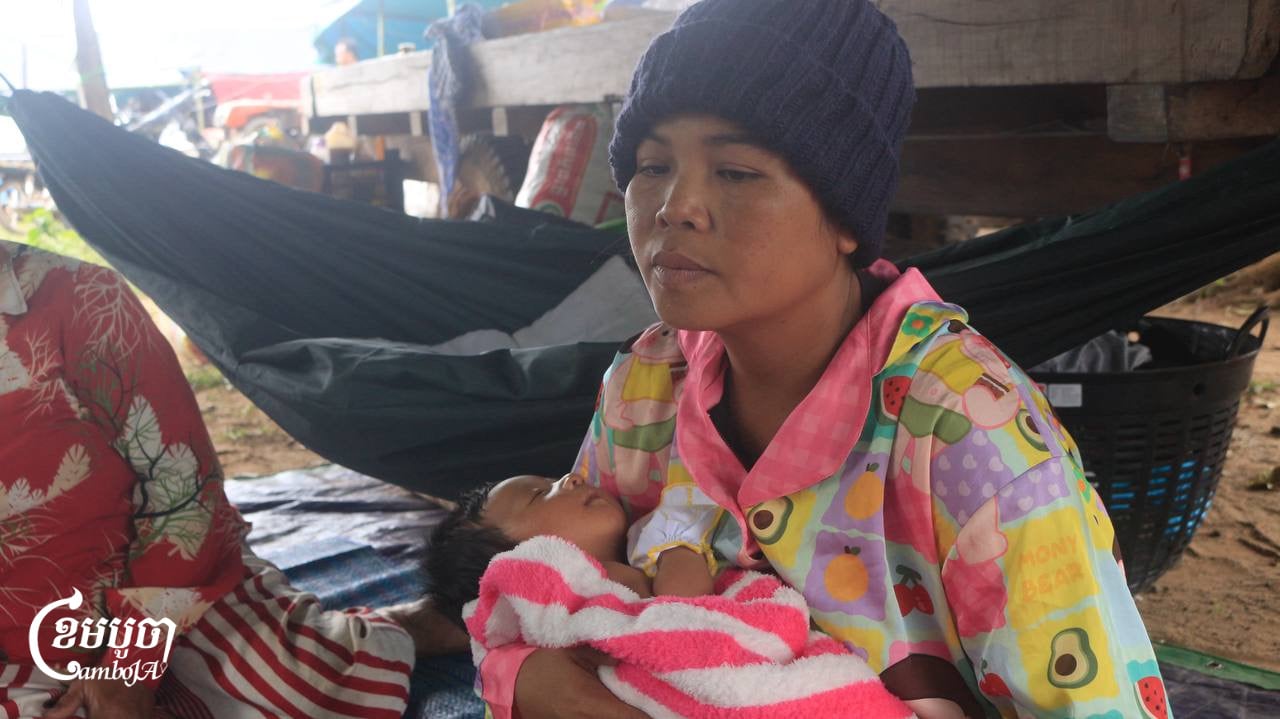
Heng Kimhong, Senior Lecturer at Pannasastra University of Cambodia (PUC), said that although the conflict has not abated, early preparation for post-conflict recovery is both “necessary and strategic”.
He explained that planning during a conflict allows the government and stakeholders to assess the damage to infrastructure, livelihoods, education, and health services, and mobilize resources in advance, including international aid, technical assistance, and domestic financing.
“Early recovery planning can prevent long-term socioeconomic decline, especially in vulnerable and conflict-affected communities,” Kimhong said. “It also ensures continuity between emergency response and long-term development, avoiding fragmented interventions.”
To ensure effective preparation, he suggested that Cambodia learn from past experiences following decades of conflict and crises, such as the post-1990s reconstruction and COVID-19 recovery, to gain lessons.
“Strong coordination is crucial. Recovery programs are more sustainable when communities actively participate in planning and implementation, and human capital, education, healthcare, and skills development must be prioritized. Efforts should also strengthen disaster preparedness, social protection, and economic diversification to reduce future vulnerabilities.”
Ok Seirei Sopheak, an independent governance analyst, agreed with Kimhong that although many groups are working with key stakeholders to provide immediate aid, the government should “consider forming a committee” to develop a post-conflict recovery plan.
Caring for soldiers and military families
Beyond civilians, post-conflict recovery “must” address the unique needs of soldiers and their families. Kimhong said military households often face compounded challenges, including injury, disability, or the loss of loved ones, which can impact both income and well-being.
He stressed that recovery planning should incorporate long-term welfare mechanisms tailored to these families, ensuring that support does not end when the immediate fighting stops.
“Providing medical care, psychosocial support, and pathways to re-enter civilian life is as critical as rebuilding homes or restoring livelihoods. Without this, the human cost of war continues long after the last shot is fired.”
He recommended a multi-layered approach combining immediate aid, such as cash transfers and housing, with longer-term support including pensions, healthcare, education, and skills programs to strengthen individual recovery and community stability.
“It must include social protection measures such as cash support, food assistance, and temporary housing, alongside longer-term help to rebuild homes, replace livestock, and restart small businesses,” Kimhong said.
Recovery efforts should include employment and skills development programs aimed at affected civilians and injured soldiers, to help restore both health and income.
“It is critical to provide pensions, healthcare coverage, scholarships, and psychosocial services for those who have lost loved ones,” he noted, highlighting the need for sustained support beyond immediate relief.
For Neoun, a mother who is struggling to maintain her family income, life has become a constant struggle. Her husband, a soldier, passed away after a prolonged illness, leaving her to raise their two daughters and a son, who is a soldier, all by herself.
Beyond the emotional toll, Neun now faces mounting financial pressure, with bank debts adding to her hardship. She urged stakeholders to extend support, whether by “reducing her debt burden” or providing “free access” to social protection services, so “we can secure a future for our family” given their financial situation.
In many post-conflict contexts, development organizations such as The Organisation for Economic Co-operation and Development (OECD), in its ‘International Support to Post-Conflict Transition’ report, emphasize that sustained attention to social protection and governance is “critical to long-term stability” in countries emerging from conflict.
Attract more investment to support economy recovery
A Cambodia Development Resource Institute (CDRI) report in July noted that the border conflict with Thailand has negatively affected Cambodia’s economy due to disrupted cross-border trade, tourism and labor.
The return of 900,000 Cambodian migrant workers at the time reduced remittance income and increased pressure on the domestic job market and social services.
It also stated that border closures “hurt” local businesses and border economies, with a broader impact on household incomes and economic stability.
There is no specific assessment of the impact of the renewed conflict on the economy, however, Seun Sam, a policy analyst at the Royal Academy of Cambodia, said for sustainable growth post-conflict, Cambodia should continue raising awareness and attracting investment and tourism once stability returns.
To attract more investment, Cambodia needs to ensure clean services and a strong legal framework to make the country attractive to investors and visitors, he remarked.
Budget allocated key to rebuild development
The conflict has left deep and lasting impacts, particularly on infrastructure essential to daily life, Seun said, stressing that rebuilding cannot be delayed.
He argued that the government must allocate a dedicated reconstruction budget to repair damaged bridges, schools, and homes. Without such investment, he warned that mobility and livelihoods would be severely constrained. “In reality, the government will need to allocate a reconstruction budget to rebuild infrastructure, especially bridges, because without them people will face serious difficulties in travel and daily life,” he said.
Meas Ny, a social researcher, who spent more than a decade living in a refugee camp in the past, described forward planning as “necessary”. It does not mean undermining the response to urgent humanitarian needs on the ground, he said. “Planning for the future is essential and we believe the government will have a committee planning it.”
Pen Bona, spokesperson for the government, said they would prepare for the post conflict planning but stated that handling surface situations is “more essential”. “We will do but we need to unite and handle it one by one,” he said.
In a brief response to CamboJA News, Tuon Thavrak, Secretary of State at the Ministry of Planning, said as of December 16, there is no discussion on the matter yet.