Listen to the audio version of this article (generated by AI).
The Cambodian Journalists Alliance Association (CamboJA) documented 12 violations against journalists in the country in the second quarter of 2026, urging authorities to create an enabling environment for journalists. The 12 violations indicate a nine percent increase from 11 cases between January and March, 2026.
Legal intimidation and restriction on freedom of expression were the most common violations, each accounting for 33% of the total cases, followed by physical and psychological harm (17% each).
Four journalists experienced direct threats to their safety, including brief detention, and arrest after publishing their news or posting it on social media. Eight other incidents occurred when reporters were covering events and conducting field reporting, according to the CamboJA report.
It said that online journalists were the “most frequently-targeted group”, amid increasing “online surveillance” and risks of independent reporting. The cases were linked to reporting on online scams, corruption, human rights and environmental issues.
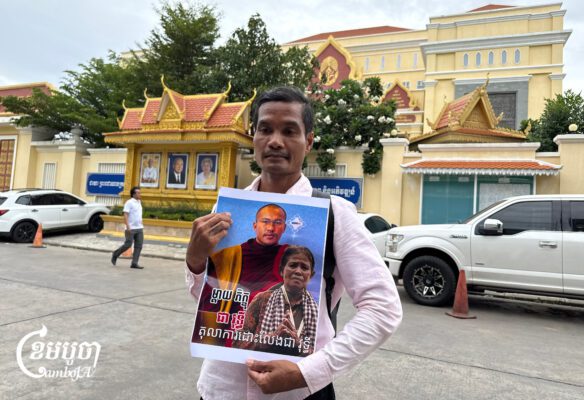
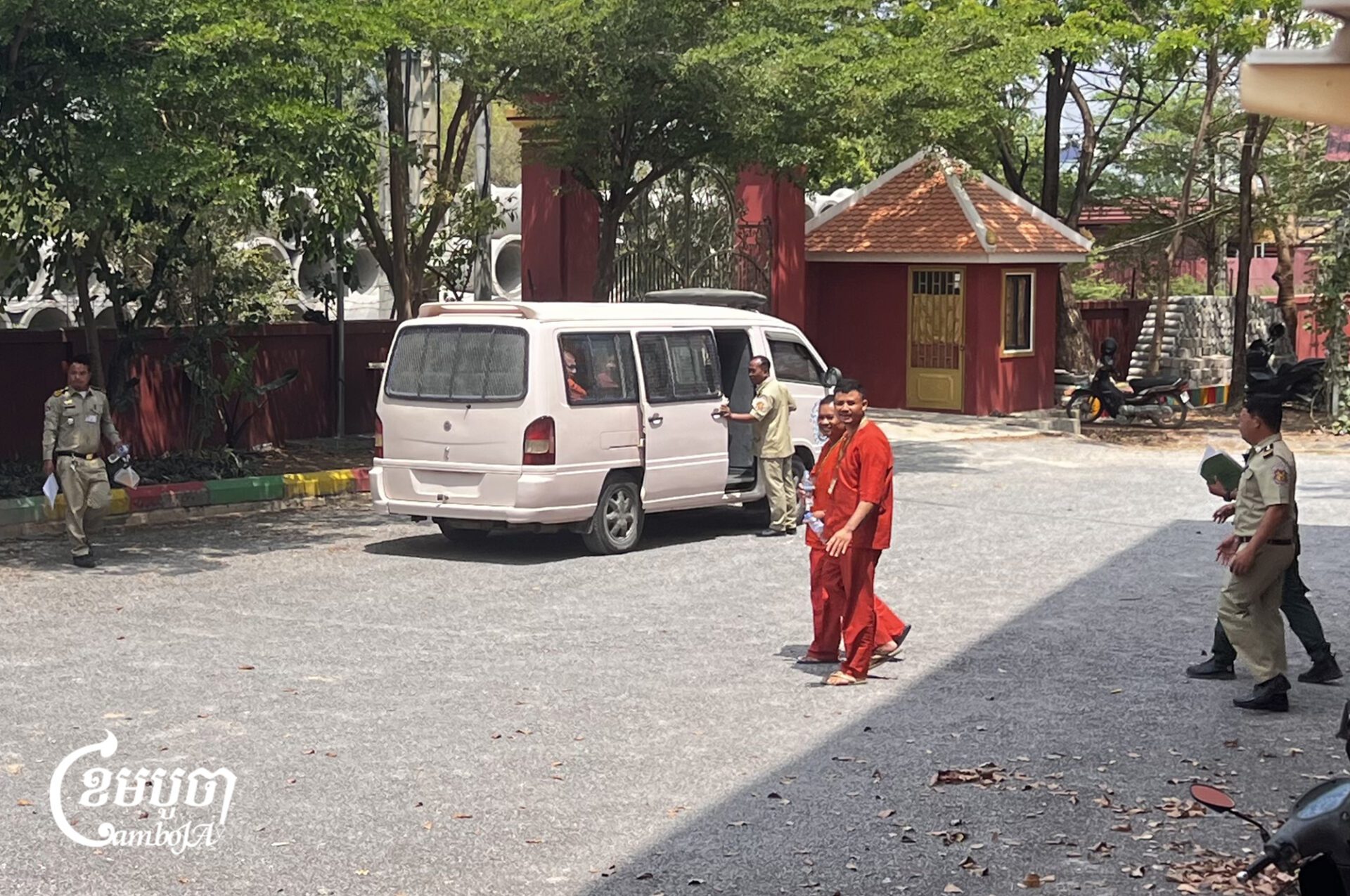
Among them, two online journalists, Phon Sopheap and Pheap Pheara, were convicted of treason-related charges for “supplying information prejudicial to national defense” and sentenced to 14 years in prison.
In another case, journalist Hem Vanna, was arrested in February this year after reporting on a suspected online scam compound in Banteay Meanchey’s Poipet city. He was charged with incitement and privacy-related offenses, but was released on bail on April 8.
Sorn Sarath, research and advocacy manager at CamboJA, said continued cases of legal information, restrictions, physical threats and censorship remain a concern as it restricts media freedom and journalists’ safety to carry out their work without fear.
“We, the media association that works to promote and advocate for press freedom insist that the relevant authorities enable journalists to do their job without fear and reprisal, and thoroughly investigate violations against journalists and bring the perpetrators to justice,” he said.
“We also insist that the authorities establish supportive measures and not restrict media freedom, especially via media-related regulations and policies,” Sarath added.
The association continues to provide capacity building, raise awareness to journalists about journalism professionals and ethics, particularly focusing on strengthening the capacity of online journalists, Sarath mentioned.
Between July 2025 and February 2026, more than 30 opposition figures, activists and journalists were arrested over social media posts relating to the Cambodia-Thailand border clashes.
Cambodia ranked 161 out of 181 countries in the 2025 World Press Freedom Index, with the government labeling criticism from international rights groups as “biased”.
Information Ministry spokesperson Tep Asnarith said they welcome reports from press associations that are “based on scientific evaluation, research, transparency, professionalism, and accountability”, but urged the groups to ensure their findings are “properly verified, balanced and supported by sufficient information”.
“The Ministry of Information reminds all relevant parties to be responsible for meaning and potential social consequences of their reporting,” Asnarith said.
He shared that the ministry had mediated 49 out-of-court disputes involving 58 complaints against journalists from 2025 to August 2026, and helped to protect 69 journalists from legal charges, including providing guidance on journalistic about 20 cases.
However, Chhan Sokunthea, executive director of Cambodian Center for Independent Media (CCIM) said that as a media organization focused on monitoring and promoting press freedom in Cambodia, it found CamboJA’s findings to be true.
“Our records indicate the difficulties faced by journalists and citizen journalists are part of a systemic pattern that is worsening over time,” she said.
Sokunthea alleged that a large number of violations are executed by or associated with state actors, noting that citizen journalists are particularly at risk as they confront similar dangers as professional journalists but with less institutional protection and legal support available to them.
In addition, she expressed concern over the continued delay of the passing of the Access to Information Law, which she said is crucial for fostering an environment where journalists and citizens can freely seek and share information.