Listen to the audio version of this article (generated by AI).
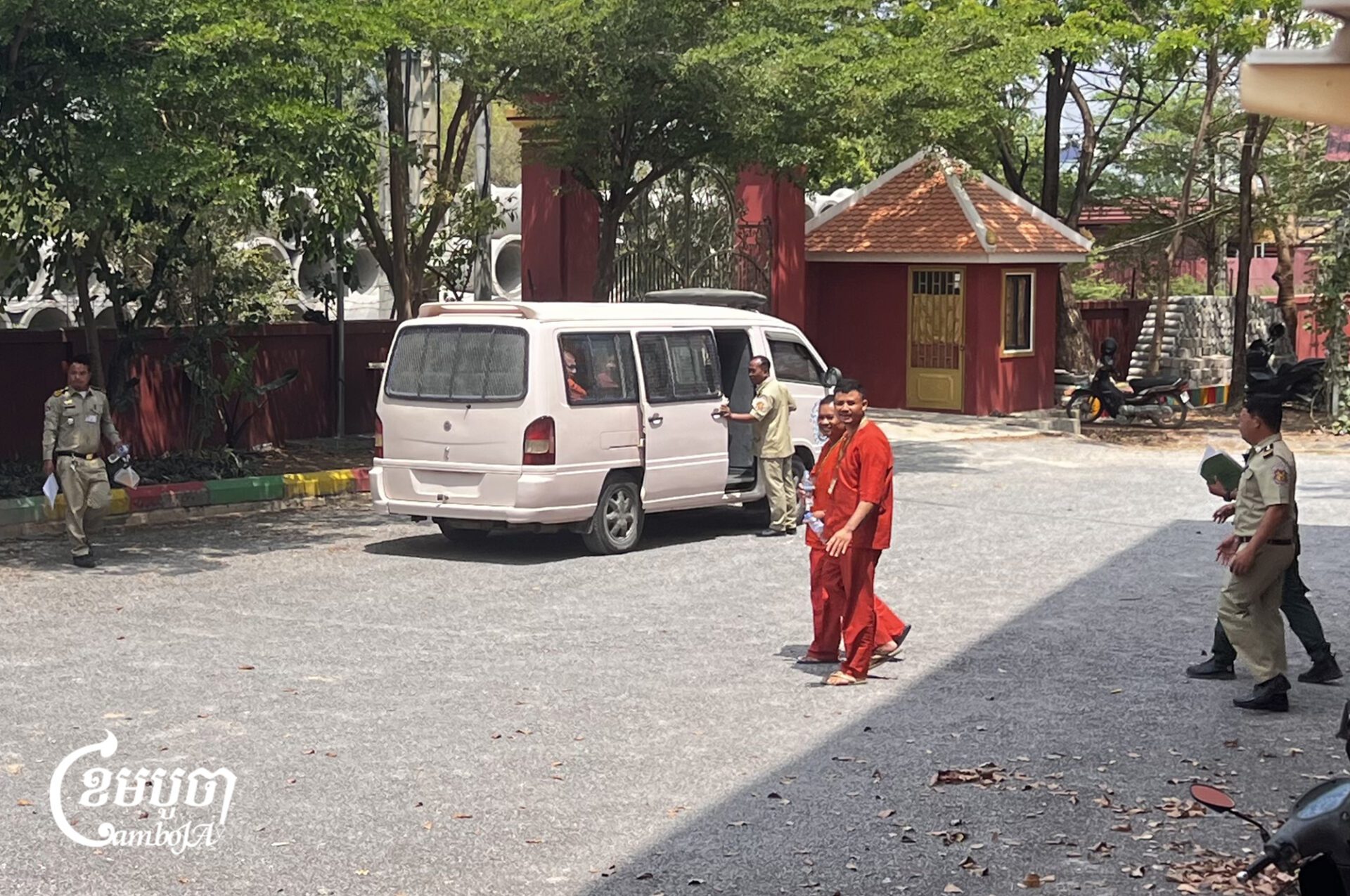
The Supreme Court on Thursday upheld the treason convictions and 14-year prison sentences of journalists Phorn Sopheap and Pheap Pheara, rejecting their final appeal in a case condemned by rights groups and press organizations.
Pheara, a reporter for TSP 68 TV Online, and Sopheap, who worked for Battambang Post TV Online, were convicted by Siem Reap Provincial Court late last year of treason for “supplying a foreign state with information prejudicial to national defense.”
An appeals court in Battambang also upheld the convictions in March. Rights groups and dozens of Cambodian and international press organizations have condemned the case amid broader concerns over shrinking press freedom in the country.
Authorities have defended the convictions.
Information Ministry spokesperson Tep Asnarith said Cambodia respects press freedom and the vital role of journalists in a democratic society.
“Freedom of expression is a protected constitutional right, but it is not unlimited, nor does it provide immunity from criminal liability,” he said.
The journalists were arrested shortly after deadly border clashes between Cambodia and Thailand in July last year. They had taken photographs alongside Cambodian troops, including one image that allegedly showed landmines in the background. Thai media later circulated the photo amid Thailand’s claim that Cambodia had newly laid landmines along the border that wounded Thai soldiers. Cambodia has denied laying new mines during the conflict.
Defense lawyer Un Chanthol said he was disappointed by Thursday’s ruling.
Asked what evidence prosecutors had presented, Chanthol declined to comment, citing restrictions imposed by the court, but said photographs taken by the journalists had been used as evidence.
“However, in my 17 years of defending journalists in court cases, it is rare to see a journalist convicted of a felony and sentenced to 14 years in prison. It is a very severe punishment,” he said.
The Associated Press reported that prosecutors alleged the journalists posted photographs taken inside a restricted military zone on Facebook. Both denied the charges and said they had permission to be in the area.
Sopheap’s wife, Hong Tha, called the ruling “an injustice.”
“I can’t accept this decision. A 14-year sentence is very severe,” she said.
She said her husband had no intention of photographing unexploded landmines visible in the background of the image.
Chhan Sokhunthea, executive director of the Cambodian Center for Independent Media, called for an independent investigation backed by evidence, including an examination of the photograph that led to the charges.
“We have seen the challenges and restrictions that are shrinking the space for media broadcasting and causing fear among journalists who wish to report on border issues, online scams and land conflicts,” he said.
“Sometimes, mistakes are made unintentionally when journalists take photographs, and they may not realize that those images could be considered to affect national security,” she said.
The ruling comes after a wave of detentions that saw other journalists detained for reporting on border tensions and online scam operations, prompting concern from rights groups.
More than 30 people, including political and social activists and journalists, were arrested between mid-2025 and early 2026 over social media posts related to the Cambodia-Thailand border dispute.
The trial of another journalist, Luoth Sophal, began on Wednesday in Oddar Meanchey province. He faces up to five years in prison if convicted on charges of “demoralizing” the armed forces and incitement to commit a felony over a Facebook post about soldiers’ conditions.
Press freedom in Cambodia has eroded sharply over the past decade, according to rights groups including Reporters Without Borders, which ranks the country 151st out of 181 countries on its World Press Freedom Index.
Nop Vy, executive director of the Cambodian Journalists Alliance Association, CamboJA News’ parent organization, said the case had stoked fear among journalists covering border issues and harmed press freedom.
He said he hoped the two journalists would receive a royal pardon, regain their freedom and continue their journalism careers.