
With an uneasy peace now outlasting the deadly border clash with Thailand last month, the wider economic impact is coming into focus, a Phnom Penh-based investment advisory said in a recent report.
Mekong Strategic Capital expects Cambodia’s GDP growth to slow from 4% to about 3% this year on knock-on effects from the conflict, with a similar pace likely in 2026.
That is below the World Bank’s 2025 forecast, which it cut from 5.5% to 4% before the recent U.S. tariff reduction, citing major shifts in global trade policy and non-performing loans in Cambodia’s banking sector .
Cambodia and Thailand averted a 36% tariff for a softer 19% levy on U.S.-bound exports after agreeing to a ceasefire brokered in part by U.S. President Donald Trump, who threatened to walk away from trade talks without peace. As a result, tariffs are expected to have minimal impact on Cambodia, the firm said.
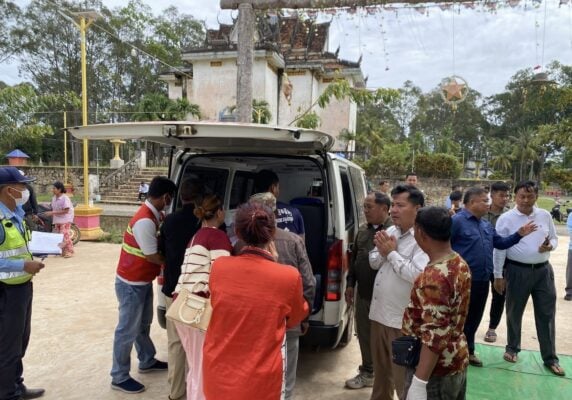
Mekong Strategic Capital attributes the projected slowdown to several factors, including the return of hundreds of thousands of migrant workers from Thailand during the conflict, which it estimates will cause a 1.5% hit to GDP growth through decreased remittances. Though the analysts expect stronger growth from 2027 onwards.
Tourism is expected to fall more than 10%, with Angkor ticket sales – a key gauge of the sector – already sliding as Cambodia’s reputation suffers from its role in hosting scam operations, compounded by last month’s armed border clash, according to the advisory’s findings.
The report, which sees Thailand as more likely to face a recession from the conflict due to its lower growth outlook, says Cambodia’s increasing integration with Thai supply chains is under pressure.
Imported goods are set to become more expensive, weighing on GDP and limiting consumer choice, but the disruptions could create openings for local businesses to replace Thai imports. The report also predicts supply chains will become more resilient, with a greater focus on diversification.
Government spokesperson Pen Bona pushed back on any concerns about long-term economic fallout due to supply chain disruptions.
“Cambodia is a consumer country. If we block goods from Thailand, we can switch to buying from other countries,” he said. “The impact may be there at first, but over time, we can resolve it.”
In the first five months of 2025, Cambodia imported $1.4 billion in Thai goods while exporting just $395 million to its neighbor.
The investment firm recommended the government introduce fiscal stimulus, including income support for returnees from Thailand, to protect the economy and preserve social stability.
(Additional reporting by Seoung Nimol)