
Listen to the audio version of this article (generated by AI).
While South Korea lowered the alert level on Phnom Penh and Siem Reap, other areas, such as Bokor, Bavet and Poipet cities are still subject to Level 4 alert, which translates to a “travel ban”.
South Korea’s Ministry of Foreign Affairs announced a partial adjustment to its travel advisory for Cambodia effective 4 p.m on Thursday, reflecting a notable “improvement” in the security situation for Korean nationals, particularly for the capital and Siem Reap.
The adjustment for Phnom Penh was made to Stage 2 or requiring travel discipline, from Level 2 or a “refrain from travel”, whereas the travel advisory for Siem Reap was improved to Stage 1 or the need to “exercise caution” from Level 2.
However, some areas remain under strict advisories, which the Korean ministry considered “high risk”, such as Sihanoukville (Stage 3 or “Recommendation for Evacuation”), Bokor mountain in Kampot province, Bavet City and Poipet City, which are still subject to Level 4, equivalent to “travel bans”. A “special travel advisory” remains in effect for Preah Vihear, Oddar Meanchey, Banteay Meanchey, Battambang, Pailin, Pursat, and Koh Kong provinces.
The adjustment follows Cambodia’s intensified crackdown on scams and fraudulent activities targeting foreign nationals, coupled with strengthened bilateral cooperation under the recently launched ‘Korean Desk’, a joint task force to combat online scams after a Korean student was murdered in Cambodia.
South Korea said the joint task force between Korea and Cambodia has contributed to a “decrease in reported scams in Cambodia, and the tangible improvement in the situation, particularly in Phnom Penh and Siem Reap”.
Despite the improvements, the ministry, however, warned that incidents involving Korean nationals continue to surface, especially in areas with Level 3 or high-risk zones. The ministry urged travelers to exercise caution, warning that “those who have accepted job offers promising excessively high salaries or other attractive conditions while visiting Cambodia are at a higher risk of being involved in scams”, and encouraged careful review of travel plans.
Responding to the announcement, Interior Ministry spokesperson Touch Sokhak told CamboJA News that it likely reflects Cambodia’s enhanced efforts to crack down on crimes in specific regions, noting that “Cambodia has continuously deployed measures to prevent and investigate crimes”.
He also highlighted Cambodia’s close cooperation with South Korea, emphasizing the “effectiveness” of Cambodia’s measures against crime.
When asked about South Korea’s designation of areas in Cambodia as high-alert, he said the government’s advisory “reflects concern for their citizens, just as Cambodia considers the welfare of our citizens abroad”.
Nathan Paul Southern, operations director at The EyeWitness Project, said South Korea’s decision to lower the travel advisory for Phnom Penh and Siem Reap follows “a highly publicised wave of police raids targeting scam operations”.
He remarked that the crackdowns in Cambodia are in response to Korea’s concerns that their “citizens are not safe in Cambodia”, alongside international pressure following sanctions on Prince Group.
Southern added that Cambodia aims to signal that “the country is tackling the scam industry and is safe for visitors.”
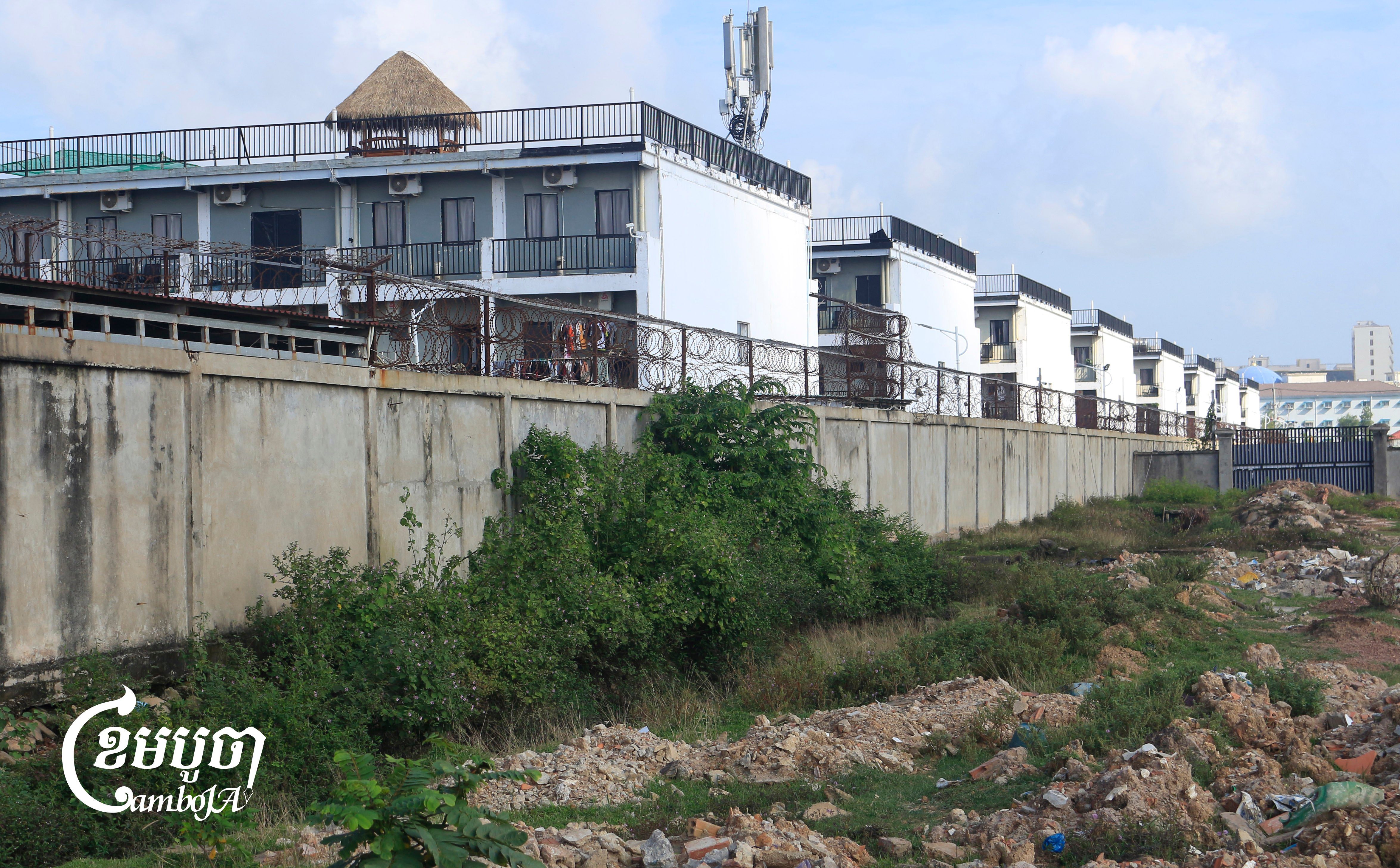
However, he cautioned, while the raids may create the impression that criminal activity is being curtailed, “none of the major operators behind these networks have been detained, and construction of new compounds along the Vietnam and Thailand borders continues unabated,” suggesting the crackdown may be more about diplomatic posturing than a full-scale effort to dismantle the industry.
Approximately 200,000 South Koreans visit Cambodia annually, with previous travel warnings issued on September 17 in response to rising safety concerns. At the time, South Korea recommended citizens reconsider trips to Phnom Penh and designated high-risk areas such as Sihanoukville, Bokor Mountain, and Bavet as Level 2.5.
In a recent announcement, the Korean ministry emphasized that they would continue to monitor the situation closely and reassess travel advisories as necessary, signaling cautious optimism about Cambodia’s improving security environment.