Listen to the audio version of this article (generated by AI).
The Environment Ministry and the United Nations Development Program are pushing ahead with about $47 million in funding for 20 climate and environmental projects, as Cambodia grapples with a range of environmental issues and its climate commitments.
Ministry officials met with the U.N. program (UNDP) this week to discuss progress on the investment, which is funded by several international donors, and to strengthen coordination and investment priorities.
Environment Minister Eang Sophalleth said the partnership would “unlock climate finance and accelerate the green transition,” while helping sustainable environmental and natural resource management.
More than $40 million has been finalized over the past year, according to a joint-statement, with projects focused on ecosystem restoration and biodiversity conservation, climate resilience and environmental policy, and advancing the implementation of carbon credit projects in the country.
“We are here to support Cambodia’s priorities and help the MoE mobilise resources from development partners and the international community, while leveraging multilateral partnerships to bring together technical expertise, financing, innovation and implementation,” said Enrico Gaveglia, UNDP Resident Representative in Cambodia.
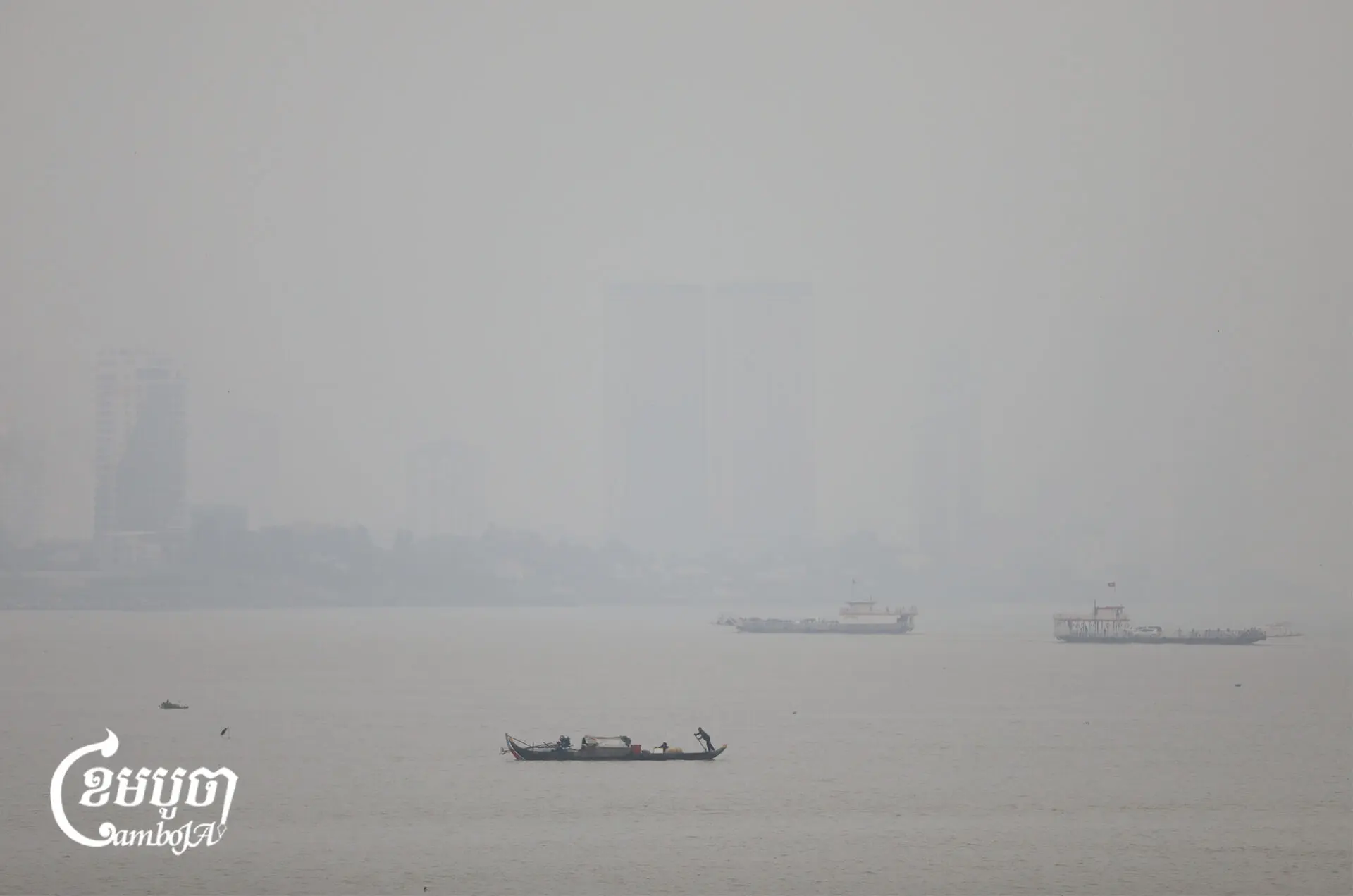
The financing comes as Cambodia continues to face several environmental challenges, including one of the highest deforestation rates in the world, biodiversity loss, pressure on water resources and air pollution.
Like much of the region, the country is also preparing for a potential prolonged El Niño event that scientists say could raise temperatures, reduce rainfall and worsen drought through early 2027, drawing concerns over food production and water security.
The government has said that it is pursuing more renewable energy as part of its broader environmental and development goals that include a 55% reduction in greenhouse-gas emissions by 2035.
Moeu Chandara, executive director of the Cambodian Youth Network (CYN), a civil society group that also focuses on environmental advocacy, welcomed the projects but emphasized the need to enforce existing forestry laws.
Chandara also expressed concern about potential mismanagement of the funds.
“It can actively prevent forestry crimes in protected areas, and I hope this project will sustainably improve livelihoods and transform community living standards,” he said.