Listen to the audio version of this article (generated by AI).
Cambodia’s sub-national expenditure for 2027 for local administration is expected to rise by 17 percent to $1.24 billion from $1.06 billion in the previous year, according to the draft budget by the Ministry of Economy and Finance.
However, the allocation does not include allocations for health and education under the capital and provincial administrations that are subject to the conditional delegation of functions.
A few local villagers interviewed said limited public consultation and dissemination of budget information has left many unaware of money allocated for development.
Overall sub-national spending planned for 2027 would see communes or sangkat administration receive approximately 905 million riel (about $223,000), including funding for local development projects of about $115,000 per year, as per the draft approved by the Council of Ministers on Oct. 23.
“There is no wide dissemination [of information] to the public such as forums held by districts and commune levels. Residents are often unaware of the detailed information,” said Ouk Layheang, a resident in Takeo province’s Ba Sre commune.
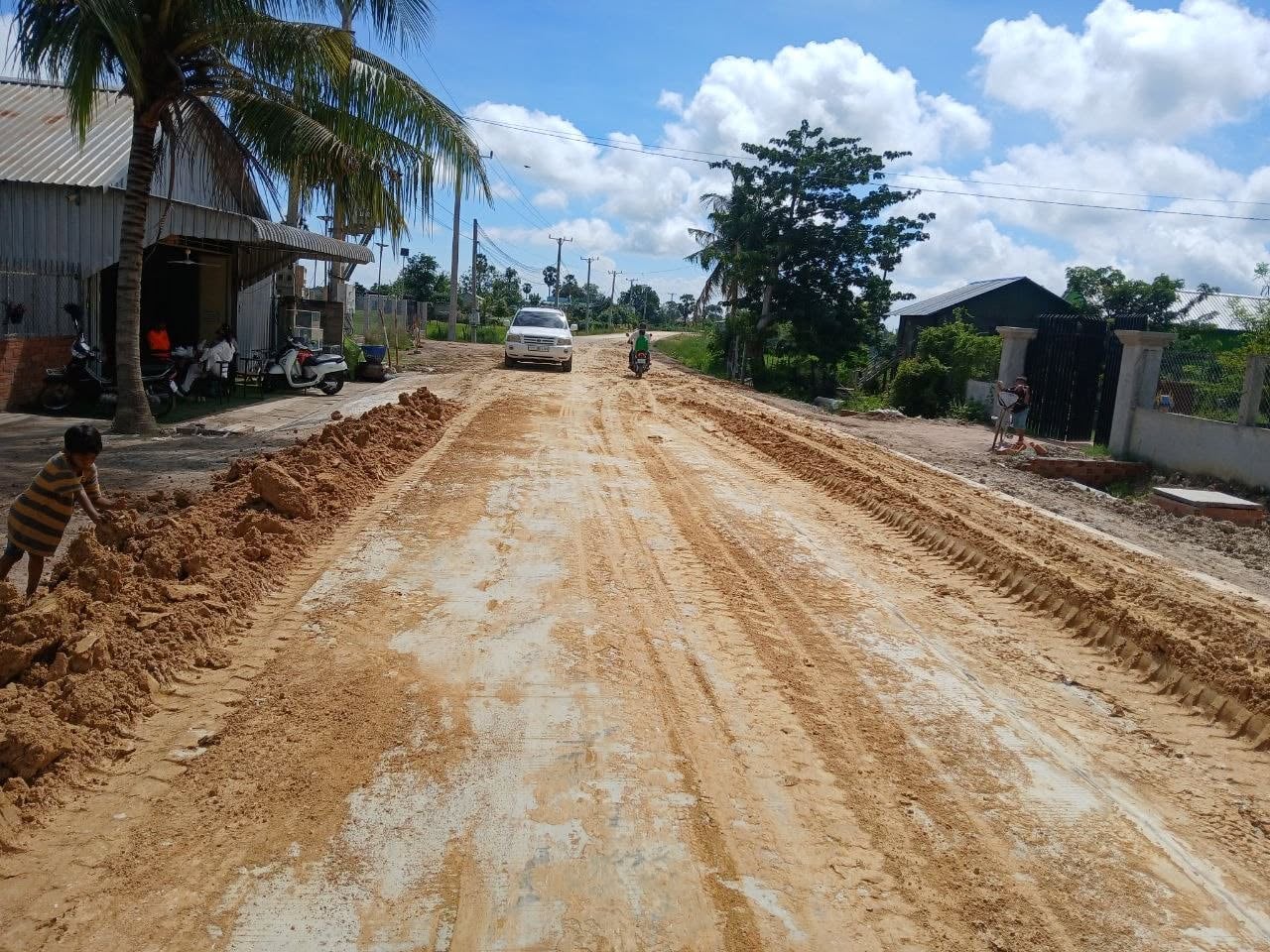
“Local residents are unaware of the total budget allocated for local development, and we only know some when they conduct road construction,” she said.
“We want increased dissemination of information to citizens so that they know about the development budgets allocated to local communities each year,” Lyhean said.
Svay Khang Tbong deputy village chief Ouk Thim said that local commune authorities disseminated information about budget development, especially funding for road construction projects.
“[We] have disseminated budget information; some people know, and some don’t because […] people are reluctant to attend the meeting unless there is a cash incentive. Only then they will come,” he said.
A resident in Pursat province, Mit Sokmean, said people have few opportunities to participate in commune meetings related to budget allocations for development projects.
“We never know the total amount of budget allocated, as the authorities do not disclose those figures to the people,” she said.
Sokmean from Ansar Chambak commune, called on local authorities to allocate more funds in the 2027 budget expenditure to improve irrigation systems and restore canals to store water to help local agriculture.
An NGO raised concern over the lack of transparency and accountability in local development spending. In September, the Interior Ministry reported findings of systematic collusion and misuse of commune development funds.
Lam Socheat, executive director of the Advocacy and Policy Institute (API) and member of the Budget Working Group, lauded the rise in the allocation for sub-national administration.
“The proposed increase in sub-national funding is positive, but a larger budget does not automatically translate to better public services or improved livelihoods,” he said.
“The draft 2027 budget reportedly provides a substantial increase in resources for sub-national administrations. However, the precise year-on-year increase and expenditure categories require clarification,” Socheat said.
Based on API’s observation, there has been progress in citizen participation and local authority responsiveness, he said, noting that more women, youth, indigenous people and other vulnerable groups have participated in local dialogues, with an increased number of issues raised in API-supported forums.
“The response is often stronger at the problem acknowledgment level than at fund allocation, project completion or service maintenance phases,” Socheat said.
API’s 2026 monitoring reports showed that communities continue to face longstanding problems involving water, sanitation, health facilities, roads, education, land, natural resources, electricity, ponds for water security and administrative service.
“The government should not only demonstrate how much money is allocated, but where it goes, who benefits, and what services are completed,” Socheat said.