Listen to the audio version of this article (generated by AI).
A group of young Cambodian environmentalists on Thursday urged negotiators and leaders at the U.N. climate summit in Turkey to speed up emissions cuts, increase support for climate adaptation and make sure climate finance reaches vulnerable local communities.
“As concerned youth, we recognize that the chance of avoiding the most dangerous and irreversible impacts of climate change is diminishing,” the group, known as the Youth Climate Ambassadors said in an open letter to COP31 negotiators and political, business and financial leaders. “We urge you to ACT NOW to protect our lives, our loved ones and yours and the future of generations to come […].”
The group of 29 young Cambodians was established by the Southeast Asia Development Program, a U.S.-registered NGO supporting sustainable community development and environmental protections in Cambodia and the region.
The letter acknowledged progress such as record investment in renewable energy. But it warned that the shift away from fossil fuels is not happening fast enough or on a large enough scale to prevent increasingly severe harm to people and the environment.
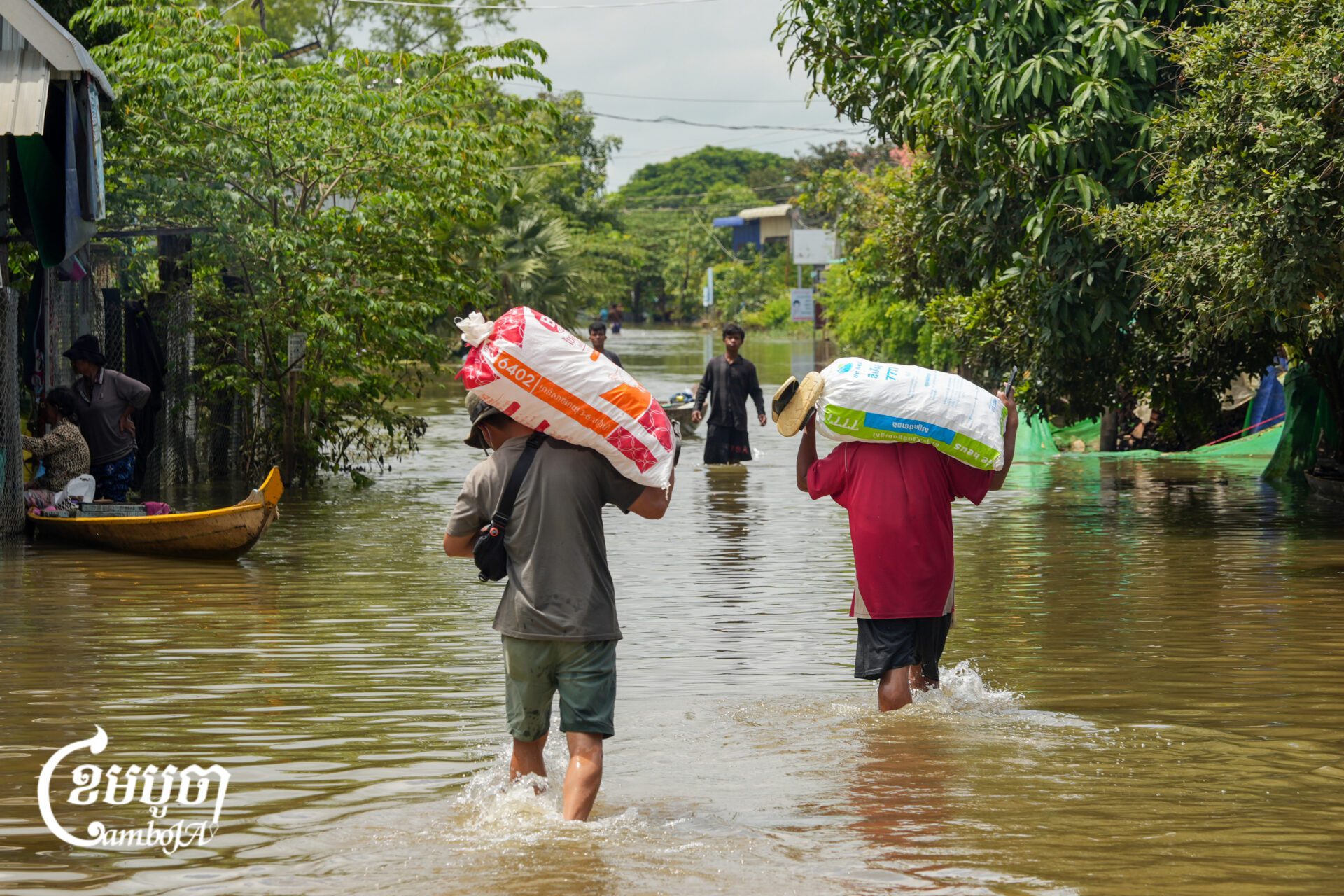
Citing a humanitarian situation report, the letter said floods in Cambodia had affected nearly 110,000 families and forced more than 9,000 families from their homes as of October. The floods also affected nearly 89,000 houses, more than 300 schools, 35 health centers and hospitals, about 210,000 hectares (519,000 acres) of farmland and more than 2,000 kilometers (1,250 miles) of roads, it said.
“If climate leaders continue at today’s pace and scale, we can expect more frequent and intense heat waves, as well as prolonged droughts and floods that threaten agricultural production,” the letter said.
Cambodian farmers have faced erratic weather this year, including drought linked to El Niño, a natural warming of parts of the Pacific Ocean that typically brings hotter, drier weather to Southeast Asia. They have also been squeezed by higher fertilizer costs after the U.S.-Israeli war with Iran disrupted shipping through the Strait of Hormuz.
Among more than a dozen requests, the group called for ways to deliver adaptation funding directly and promptly to local communities so they can keep growing crops through droughts and floods. It also urged countries to reassess hydropower, citing its history of ecological damage and displacing communities. It called for energy projects to require the free, prior and informed consent of affected communities, and for stronger protection of civic space and of people who defend the environment.
Cambodian Environment Minister Eang Sophalleth also urged the international community to increase climate financing and uphold the goal of limiting global warming to 1.5 degrees Celsius in a speech at COP31 this week.
He said Cambodia is highly vulnerable to climate change despite contributing relatively little to global greenhouse gas emissions, and pointed to rising temperatures, drought and water shortages linked to El Niño.
The 31st U.N. Climate Change Conference, or COP31, runs Nov. 9-20 in Antalya, Turkey. It brings together government leaders, climate negotiators, businesses and civil society groups to negotiate global action on climate change. The conferences have been held every year since 1995. This year’s talks opened with a dispute over how much wealthy nations should commit to climate finance, and the United States has sent no official delegation for the second year in a row.