
Listen to the audio version of this article (generated by AI).
The Ministry of Information has rolled out two rounds of tighter rules for journalists in recent weeks, including requirements for “good conduct” reports, a clean complaint record and ministry-approved journalism certificates to obtain a press card or legally operate in news media, a shift press freedom advocates say tightens the vise on what little independent media remains.
On Tuesday, the ministry opened registration for 2026 press cards with new terms and conditions, requiring applicants to secure a letter of good conduct from local authorities and affirm they are not facing lawsuits, involved in court cases or subject to complaints.
The ministry did not clarify what constitutes a legitimate complaint or if any allegation, regardless of merit, could be used to deny a press card.
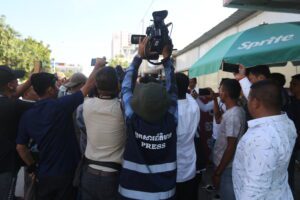
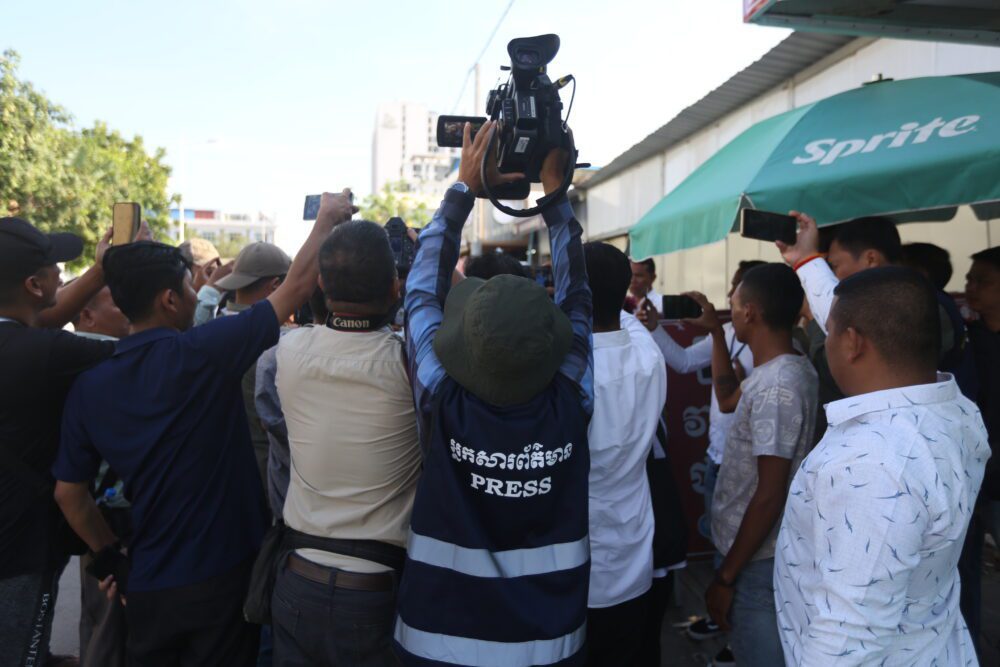
Press cards have become increasingly important in Cambodia as authorities often refuse to speak to reporters who do not hold one, and many independent journalists have struggled to obtain them in recent years.
The cards also offer a measure of safety in rural areas when journalists are stopped by police or questioned by officials and grant access to many public events.
The new press card conditions follow a prakas, or regulation, issued on Nov. 27 that created a new licensing system for anyone producing journalism or even general content, covering newsrooms, journalist associations, advertising firms and public figures.
The regulations set qualification requirements for key editorial roles, including a bachelor’s degree or ministry-approved journalism certification for editors-in-chief, who must also have three years of reporting experience. Reporters must have at least one year of reporting experience and certificate of professional study in journalism.
All members of editorial teams must hold a certificate of residence and good conduct from their commune authority, a health certificate, and have “never been subject to complaints, such as articles or videos or images or culture or standards, Khmer literature and language that violate the professional code of ethics.”
Information Ministry spokesperson Tep Asnarith said the regulations aim “to strengthen public order in the media sector, promote professionalism essential for improving the quality of information, and ensure the public receives safe and reliable information.”
He described the implementation as necessary to reinforce “professional quality.”
Since the rollout of the government’s 2024 Charter of Professional Journalists, which rights groups and independent media organizations criticized for its lack of consultation and rushed implementation, observers say the new regulations continue the trend of requiring all journalists to obtain government approval.
“As we have seen, the requirements for proof of good conduct and criminal records will be difficult for many journalists who have reported on sensitive issues and have often faced imprisonment or have pending court cases,” said Cambodian Center for Independent Media (CCIM) executive director Chan Sokhunthea.
Sokhunthea expressed concern over the additional legal barriers for journalists, particularly those covering environmental or political issues, and called on the ministry to make appropriate revisions. She added that the extra hurdles for obtaining a press card, especially for freelancers, could discourage reporting and deepen gaps in coverage of critical topics.
Local reporter Chea Sokny of Women’s Radio echoed Sokhunthea’s concerns, citing peers who have faced complaints or lawsuits after reporting on powerful or politically connected individuals.
Freelance journalist Horn Thovan similarly said the stringent conditions are vague and may deter journalists from covering sensitive or high-profile issues, as they fear legal consequences.
With the regulations now in full force, rights groups and media organizations are continuing to monitor their expected impact on a struggling media environment that is already ranked 161 out of 180 countries on the Reporters Without Borders’ World Press Freedom Index.