
A statement issued by the Cambodian Human Rights Committee on December 11, alleging that Thai military attacks constitute war crimes, reinforced remarks made by the spokesperson of the Ministry of National Defense on December 10. The spokesperson confirmed that Cambodia is gathering substantive evidence to lodge a formal complaint against Thailand with the International Criminal Court (ICC). This development is welcome news for Cambodian citizens. Cambodia became a State Party to the Rome Statute of the ICC on April 11, 2012. Today, 125 countries are States Parties to the Rome Statute, which grants the ICC jurisdiction over four international crimes: genocide, crimes against humanity, war crimes, and the crime of aggression.
As a victim country and a State Party to the Rome Statute, Cambodia has the legal right to submit a complaint to the ICC Prosecutor, requesting an investigation into crimes allegedly committed by Thai soldiers and the Thai government, even though Thailand has not ratified the Statute. This claim is based on territorial jurisdiction, as the crimes occurred on Cambodian soil.
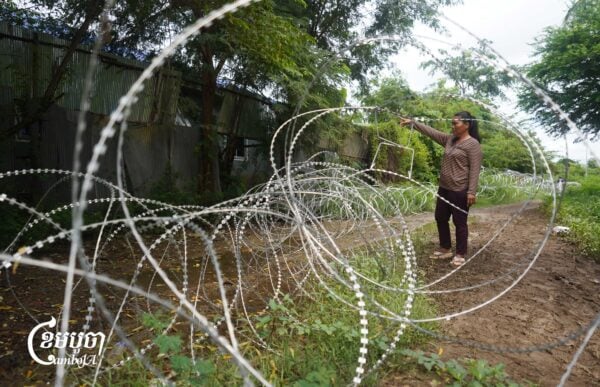
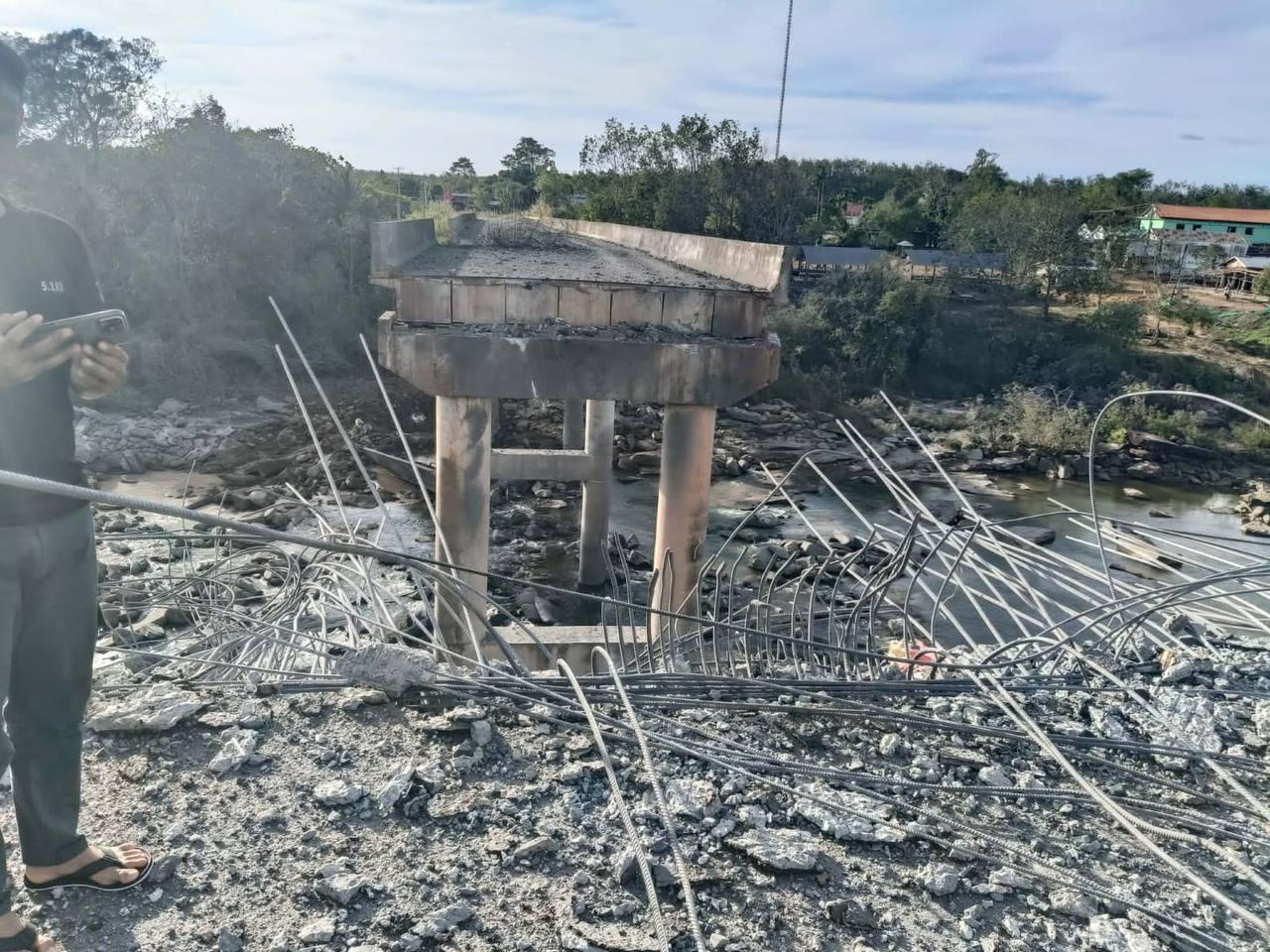
Since the initial military assault between July 24-28 and renewed attacks beginning December 7 till now, Thai forces have reportedly carried out cluster bombings, toxic gas attacks, heavy artillery strikes, drone operations, and incursions by F-16 and Gripen fighter jets into Cambodian territory. These attacks have destroyed military targets and protected sites, including civilian villages, health centers, pagodas, roads, bridges, and cultural heritage landmarks such as Preah Vihear and Ta Krabey Temples – both recognized as World Heritage sites. These acts constitute grave violations of human rights law and international humanitarian law.
Cambodia has consistently maintained that its counterattacks are defensive measures in accordance with international law and the United Nations Charter. Cambodian leaders have repeatedly called on the international community to condemn Thailand and demand an immediate end to these acts of aggression. Thai forces have justified their actions by accusing Cambodia of planting landmines along the border –claims Cambodia strongly refutes, noting these mines are remnants of its civil war nearly half a century ago, as a security threat for Thailand.
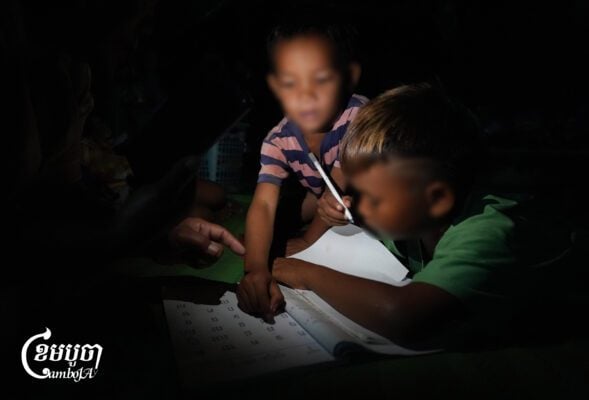
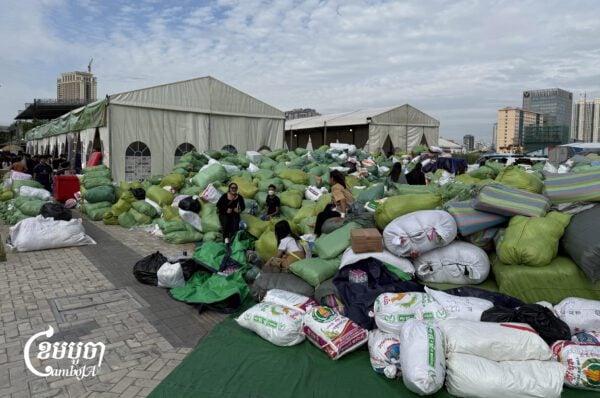
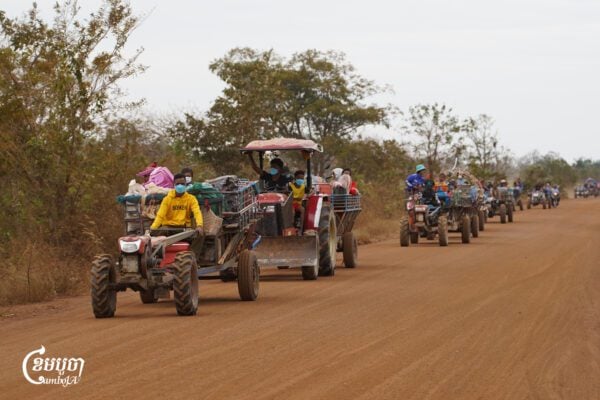
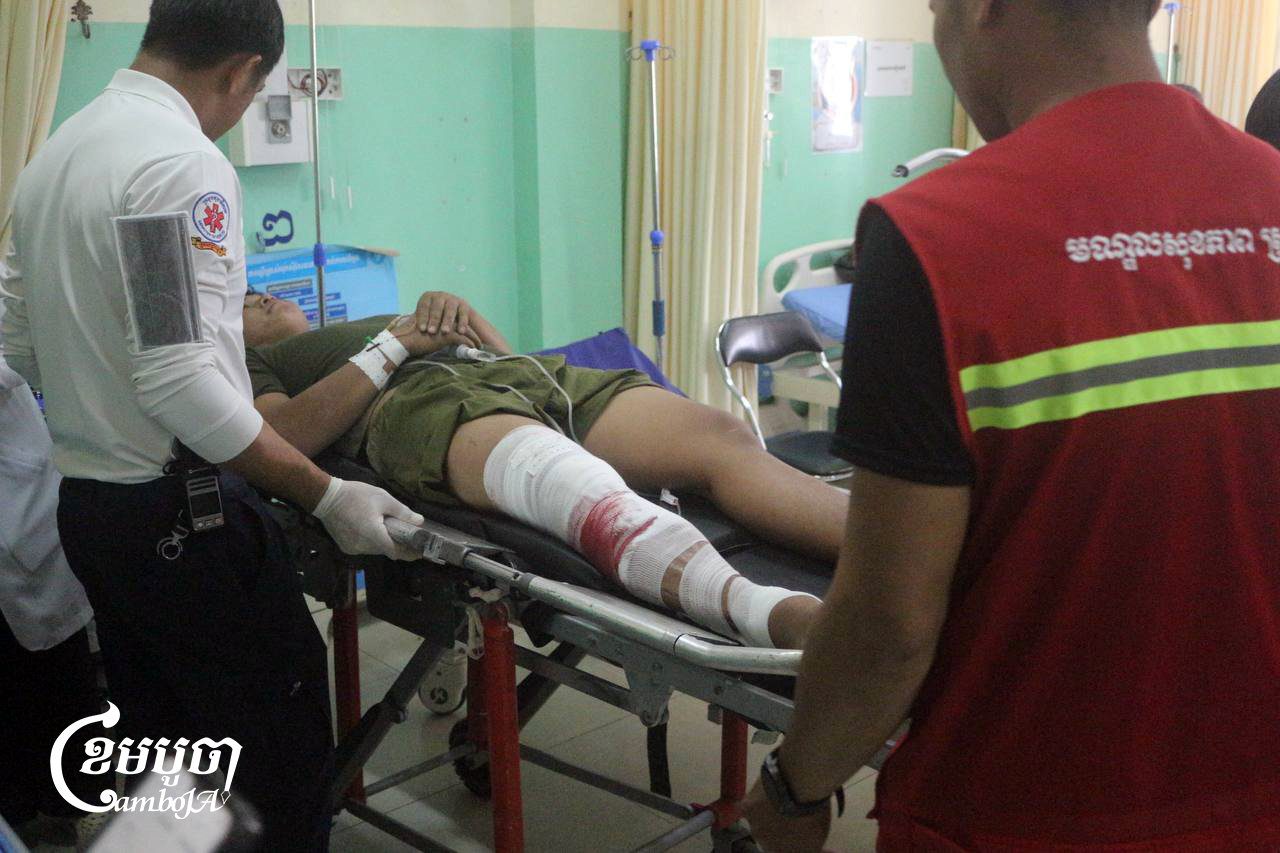
Preliminary data from Cambodian authorities as of December 15 indicate that 15 civilians, including infants, have been killed and over 70 injured, not counting extensive property damage. At least 120,000 families or approximately 400,000 people have been displaced. These consequences will worsen if hostilities continue. Tens of thousands of Cambodian children in hundreds of schools in border provinces have had their classes suspended due to insecurity caused by Thai shelling, depriving them of education and stability.
All these facts, legal grounds, and collected evidence, combined with the intent of caretaker Prime Minister Anutin Chanvirakul and Thai military leaders, who have refused to negotiate an end to the aggressive war and aim to destroy and unlawfully seize Cambodia’s territorial integrity, clearly constitute crimes under ICC jurisdiction.
Article 14 of the Rome Statute states: “A State Party may refer to the Prosecutor a situation in which one or more crimes within the jurisdiction of the Court appear to have been committed, requesting the Prosecutor to investigate the situation for the purpose of determining whether one or more specific persons should be charged with such crimes…” Therefore, based on this article, if Cambodia wishes to file a complaint against the Thai government leadership and military commanders responsible for these operations for ‘war crimes’ and ‘the crime of aggression,’ it would be both appropriate and timely to prompt an ICC investigation into these alleged crimes.
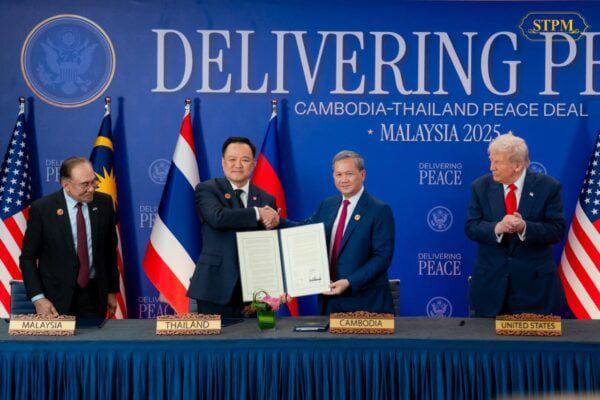
This is because what Thai troops and the caretaker Thai government have done and continue to do, constitutes a grave violation of international law and the ceasefire agreements signed by Thai and Cambodian Prime Ministers on July 28, as well as the Joint Declaration on peace between Cambodia and Thailand on October 26, 2025, in Kuala Lumpur, witnessed by the President of the United States, the Prime Minister of Malaysia (as ASEAN Chair), and numerous bilateral meeting minutes in the past.
Moreover, the continued illegal detention of Cambodian soldiers captured by Thai forces after the ceasefire – now lasting more than 137 days – is a serious violation of the Geneva Conventions, which Thailand has ignored by refusing to release them.
However, it is also necessary to carefully examine the legal feasibility, as this could have political implications. The ICC can intervene or investigate this case only if its gravity threshold conditions are met, and caution is needed because this could lead to regional tensions if there is insufficient evidence for prosecution.
Thai nationalist groups, leaders, and soldiers have shown no concern for calls to end the war with Cambodia, even though on December 11 there were separate phone conversations between Malaysian Prime Minister Anwar Ibrahim (as ASEAN Chair) and U.S. President Donald Trump with the Cambodian Prime Minister and Thailand’s caretaker Prime Minister. Unfortunately, these talks did not result in a ceasefire, despite the Malaysian Prime Minister’s announcement that a ceasefire would take effect from 10 p.m. on December 13 and the U.S. President’s public statement on social media, because the Thai side appeared to have a different stance. Meanwhile, the Cambodian Prime Minister expressed willingness for an immediate ceasefire and even requested ASEAN and the United States to deploy observers to monitor the situation.
Despite repeated appeals from the UN Secretary-General, the ASEAN Chair, major powers, and many other countries, Thai leaders and military forces remain defiant, exploiting the situation for domestic political gain ahead of elections and masking internal political divisions by using Cambodia as a scapegoat. Without strong legal, political, economic, and diplomatic pressure from the international community now, Thai leaders and military forces will not stop their ambition to invade Cambodian territory and will continue to wage a prolonged war against Cambodia. The ongoing war between Russia and Ukraine serves as an example Thailand might follow, using its superior military capabilities to pressure Cambodia rather than resolving the dispute through peaceful means and international law.
In conclusion, if Cambodian leaders have studied the legal options carefully and gathered sufficient evidence, they should promptly prepare and submit the case to the ICC. This is the right time for Cambodia to show the world that it truly seeks peace, a border resolution in accordance with international law, and genuine recognition. At the same time, Cambodia can, in parallel, continue diplomatic and political advocacy with the international community, especially the UN Security Council, to help monitor the situation or refer the case to the ICC. However, this will require patience, strategic leadership, and considerable time.
Note: This Op-Ed was written by a citizen living in Phnom Penh.