
Listen to the audio version of this article (generated by AI).
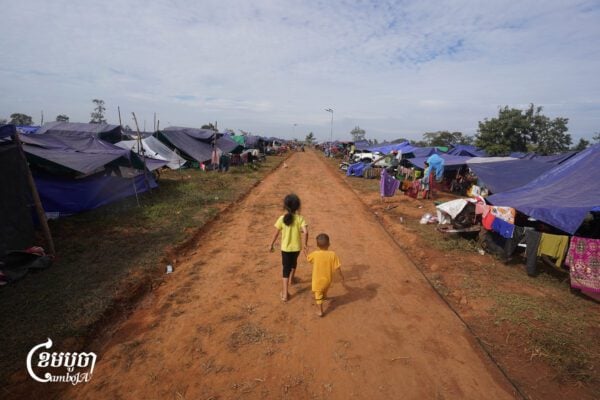
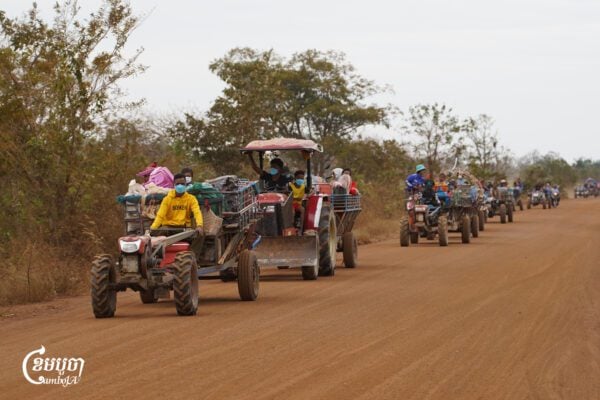
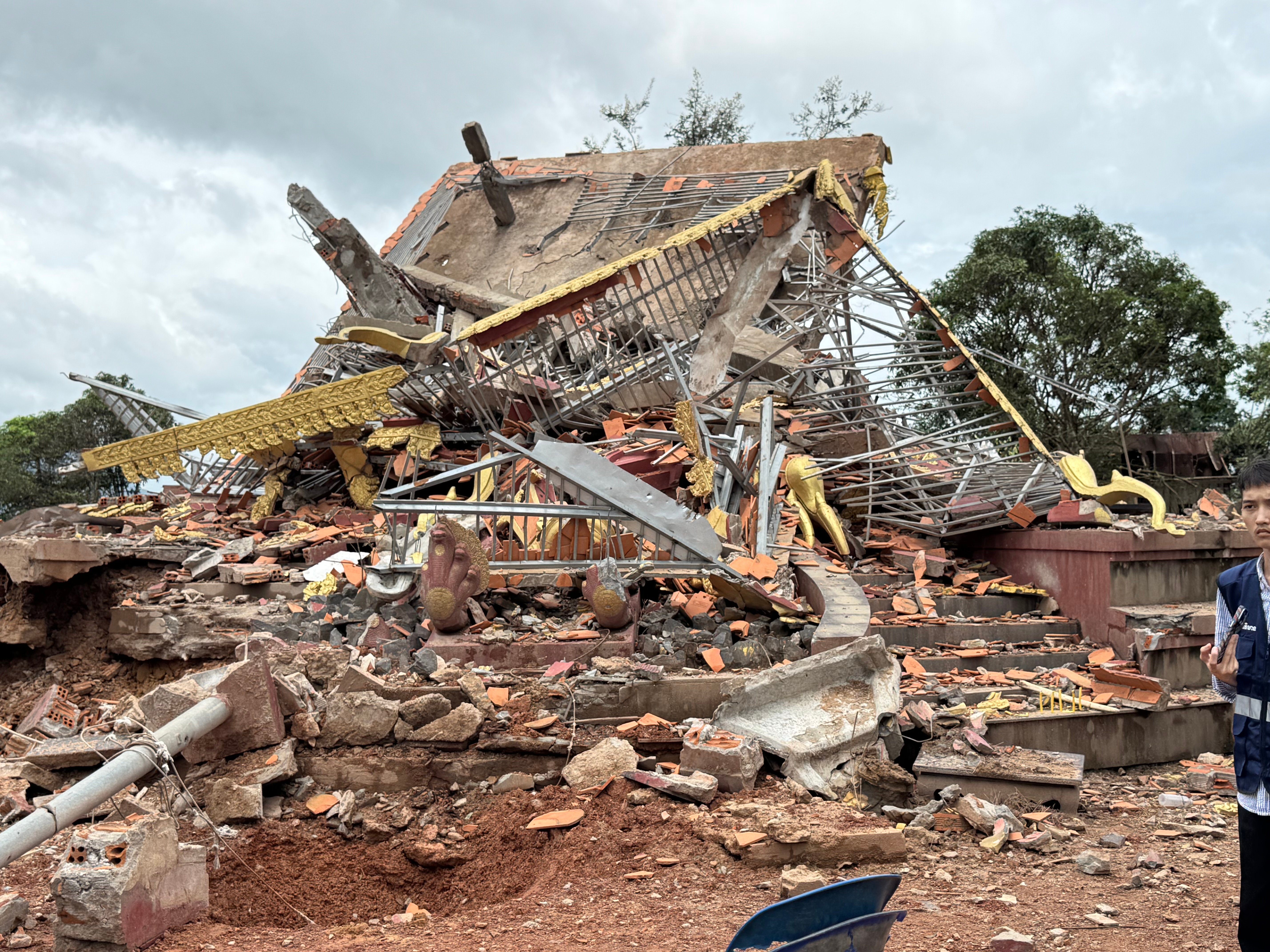
As artillery fire echoed across the Cambodian–Thai border this week, forcing thousands of families to flee and dozens of schools to close, the renewed fighting has raised urgent questions about what triggered the escalation — and what might come next. While officials on both sides issue conflicting statements, analysts say the violence reflects not just a breakdown of diplomacy but deeper political and structural issues that have been left unresolved for years, and external power not much successful.
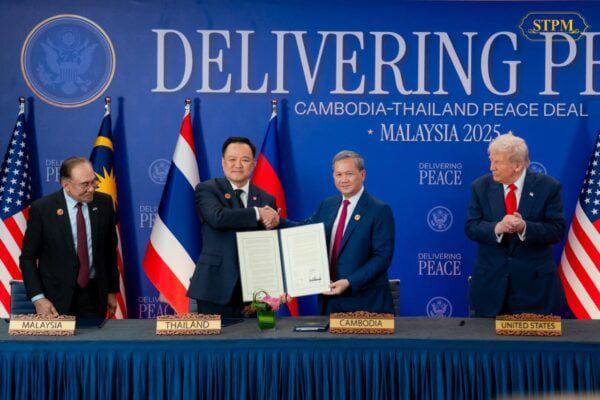
Cambodia and Thailand reached a ceasefire at midnight on July 28 after five days of fighting, later signing a peace declaration on October 26, witnessed by the U.S. President and the ASEAN Chair. But just months later, hostilities erupted again — this time with more intensity than the July clashes.
Domestic Politics in Thailand Seen as Key Driver
For Supalak Ganjanakhundee, a former news editor and expert on Thai–Cambodian relations, the renewed escalation is rooted primarily in Thailand’s domestic political turmoil rather than a shift in regional geopolitics.
Hawkish military elements are exploiting the moment, he said, while nationalist sentiment is being stoked across the political spectrum. In this climate, the Anutin administration views escalation as politically safer than compromise.
“At the same time, Anutin benefits from the conflict as a distraction from his government’s failures, most notably the disastrous flood management in Hat Yai and the botched crackdown on scamming networks,” Supalak said. “War, in this sense, becomes a political shield for him.”
He added that neither ASEAN nor Washington can solve this dynamic. “They cannot make political decisions for Bangkok, which continues to delay the hard choices needed to stop the fighting.”
Deth Sok Udom, international relations scholar of Paragon International University, said Thailand is framing the clashes as a necessary response to Cambodian aggression — a narrative he believes is designed to divert attention from internal instability.
“While Anutin did not have much control over the military, their interests converge during this critical time,” he said. “A conflict with Cambodia serves the interest of both the military and Anutin.”
Unresolved Border Problems Resurface
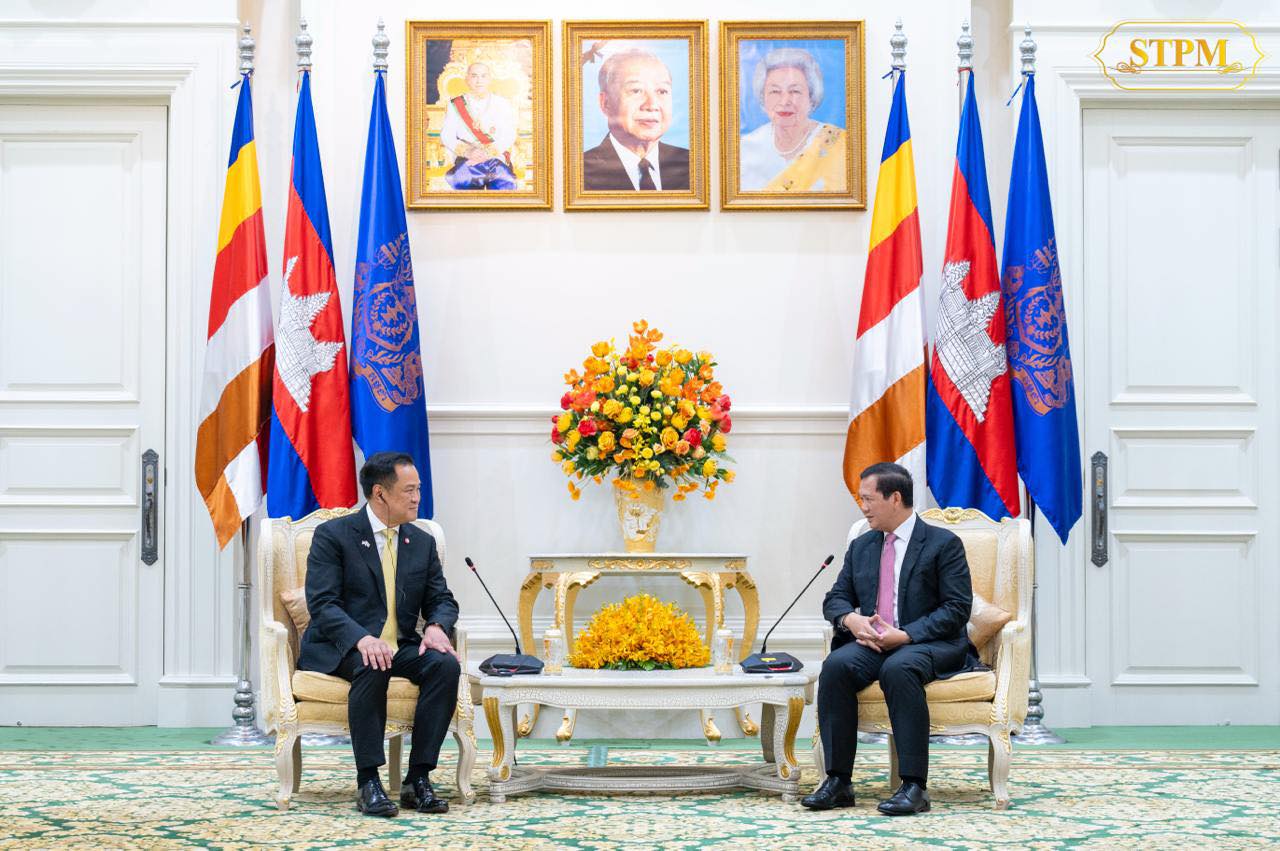
Other analysts point to long-standing structural problems that the October peace deal failed to address.
Sophal Ear, Arizona State university professor, said the border remains “poorly demarcated, heavily militarized, and covered with landmines,” making it highly vulnerable to accidental or opportunistic violence.
“The peace agreement earlier this year was more symbolic than substantive,” he said. “It created headlines but did not create systems of monitoring, communication, or withdrawal. Once a mine exploded or shots were fired, the fragile trust collapsed.”
Seng Vanly, Cambodian geopolitical analyst, agreed, pointing to competing map interpretations, unsettled landmine issues, and hardening nationalist politics.
“These sit on top of heavier military posturing on the Thai side, which makes compromise look ‘weak’ domestically,” he said.
External Powers Have Limited Leverage
Analysts agree that any new ceasefire must be significantly stronger than the October 26 declaration, which lacked enforcement mechanisms, complaint procedures, or operational timelines.
Sophal said the U.S. has limited leverage, China’s credibility varies across the two capitals, and Malaysia, as ASEAN Chair, can encourage dialogue but “cannot impose solutions.”
“Outside actors can help create diplomatic space, but they cannot deliver lasting peace,” he said. “Any durable ceasefire will come from direct Thai–Cambodian arrangements.”
Supalak noted that U.S. tariff threats under President Donald Trump still provide some leverage, but are blunt and risky tools that may inflame nationalism. ASEAN’s influence is also diminishing as Malaysia’s chairmanship expires at the end of the month.
China, meanwhile, seeks stability but will not risk appearing to choose sides due to its deep military and economic ties with both countries.
“If both governments find domestic utility in escalation, external actors cannot force peace on parties that do not yet want it,” Supalak said.
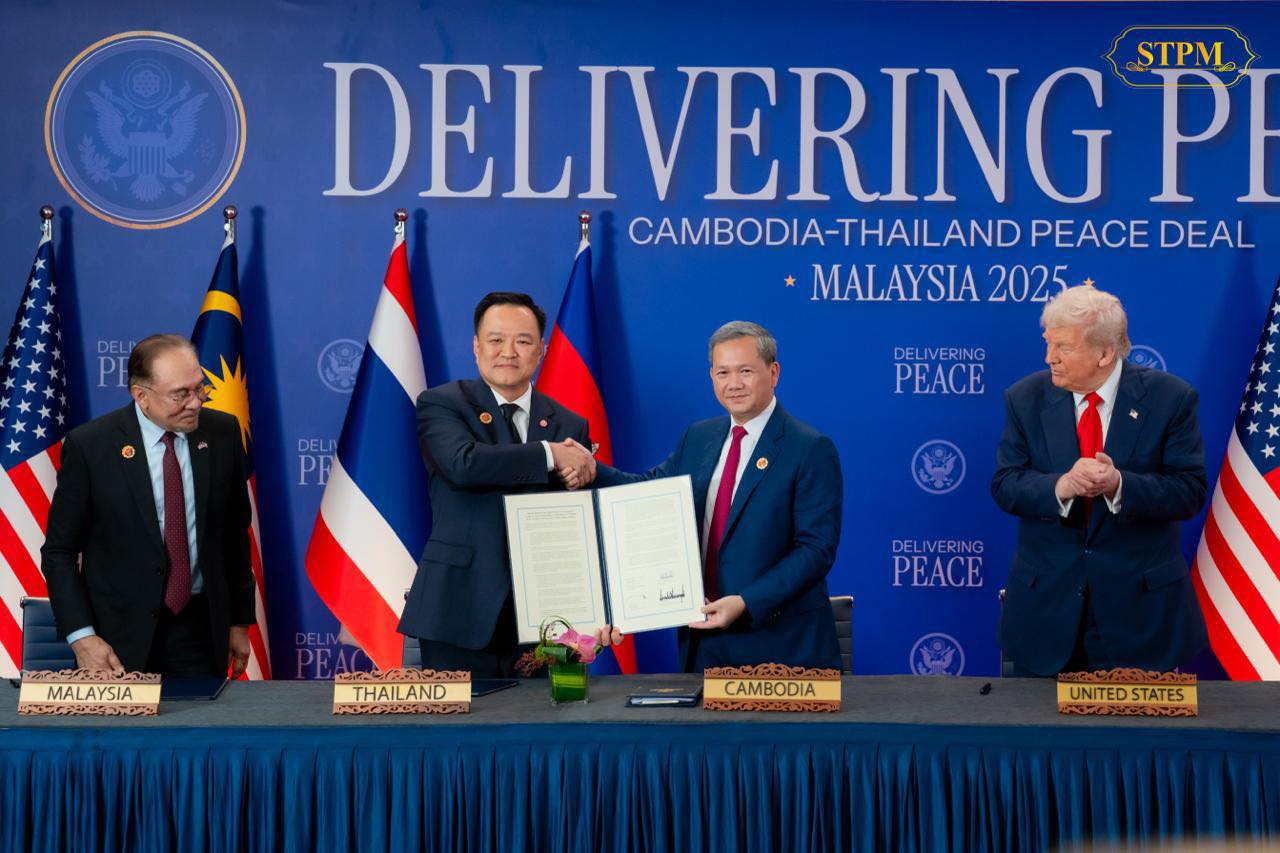
Still, Vanly and Udom believe coordinated pressure from ASEAN, the U.S., and China could contain the conflict if they align rather than compete. Udom warned that without such coordination, the conflict risks evolving into a proxy flashpoint amid U.S.–China rivalry.
“The October 26 declaration lacked enforcement authority,” Udom said. “Any future agreement must include clear operational procedures, timelines, complaint channels, and credible repercussions for violations.”
‘Neither Side Can Win’
Despite the growing intensity of the clashes, all four analysts interviewed said a decisive victory for either side is impossible.
Sophal said both militaries are strong enough to avoid collapse but not strong enough to win without catastrophic costs.
“What we are seeing is a pattern of sharp clashes followed by periods of quiet,” he said. “This is not a war that can be won on the battlefield. It can only be managed or resolved through negotiated arrangements.”
Supalak echoed this assessment: “Both militaries are locked in a conflict that neither can win outright without paying an unbearable price. Civilian casualties, troop losses, and severe economic damage will eventually force compromise.”
Udom opined that the clashes could continue for several more days unless strong external pressure — particularly from the United States — forces a temporary ceasefire. Vanly said that Thailand may be capable of inflicting more damage militarily, but any attempt to seize territory or humiliate Cambodia would provoke major international backlash.
“The more probable outcome is a painful stalemate plus negotiations,” Vanly added.
Border Communities Bear the Heaviest Costs
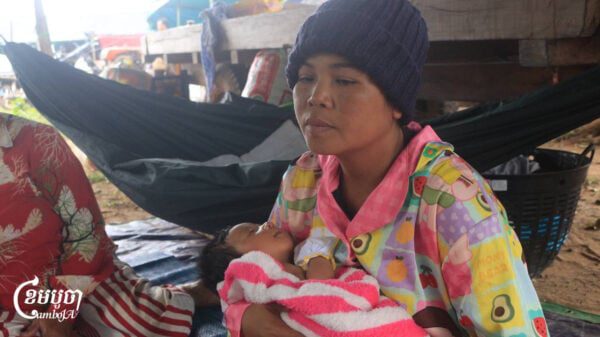
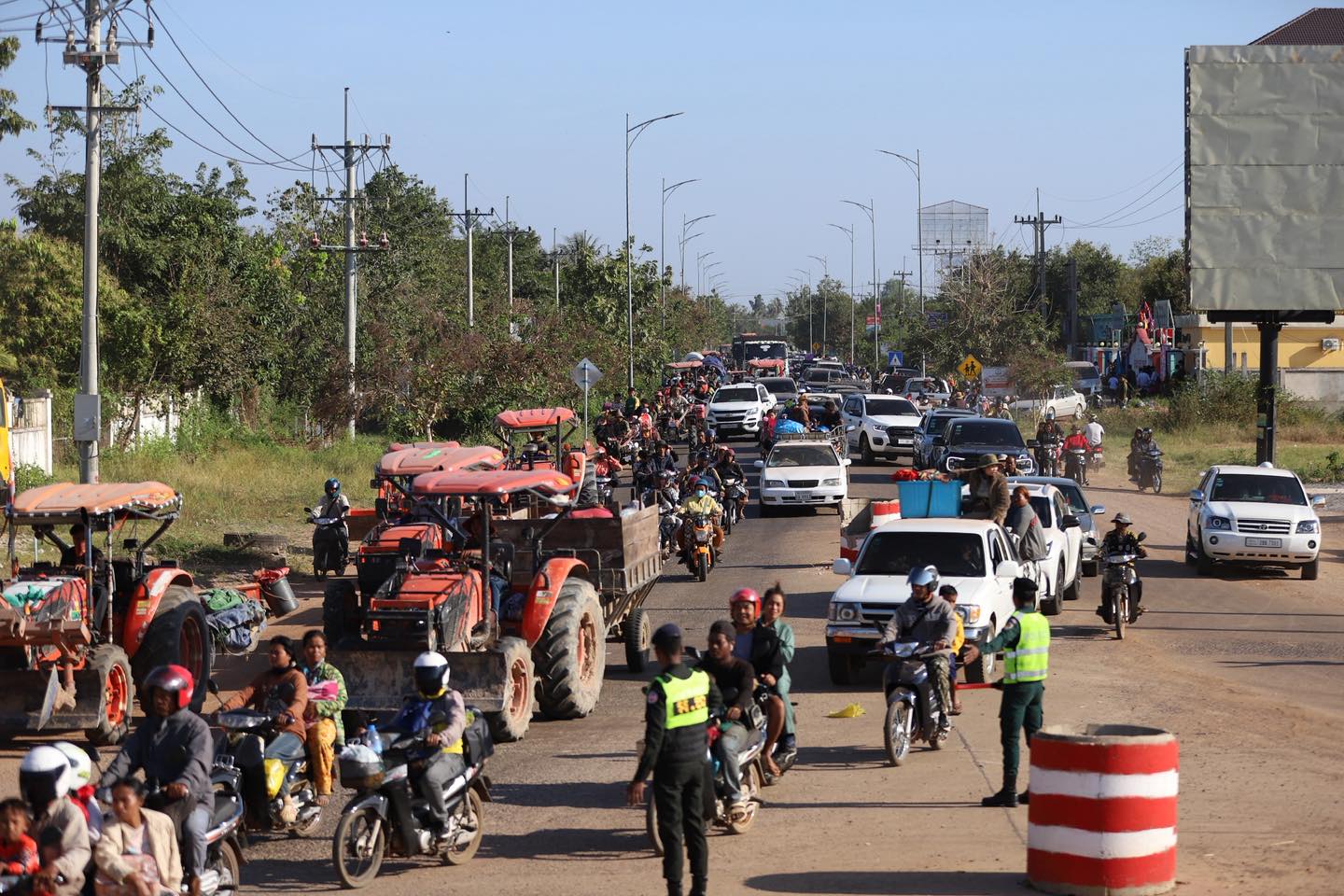
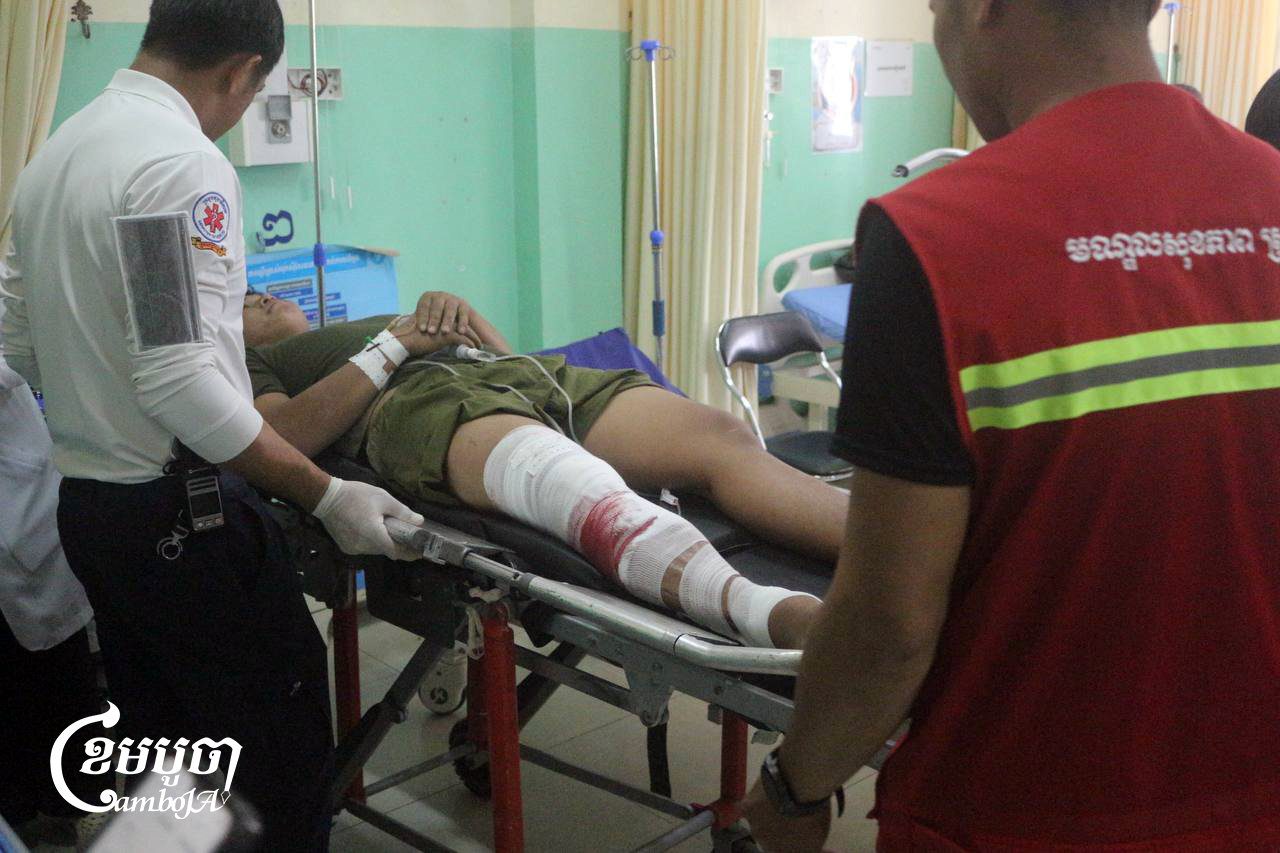
The Ministry of National Defense said the clashes have displaced hundreds of thousands of people, with analysts warning of mounting economic fallout.
Sophal said border provinces depend heavily on trade, labor mobility, and tourism, all of which have been disrupted.
He added that for Cambodia, military spending diverts resources from economic priorities and for Thailand, prolonged fighting destabilizes regions that rely on cross-border commerce.
“In both countries,” Sophal said, “border communities will suffer the most — through displacement, lost income, and the persistent threat of mines and unexploded ordnance.”
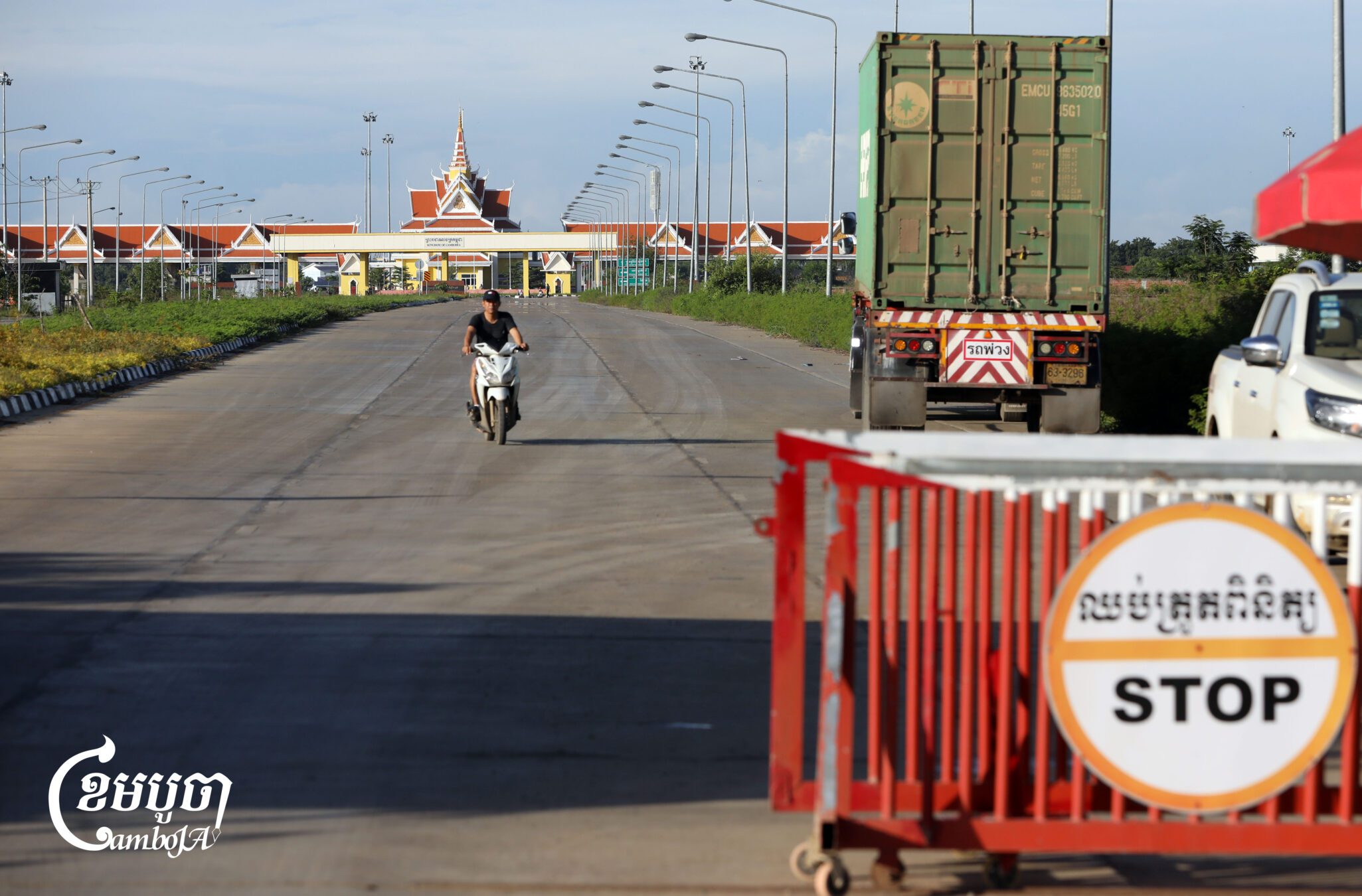
Supalak cited estimates from the Bangkok-based Institute for Strategic Policy (ISP) where Thailand is losing 23.7 billion baht ($729.1 million) per month. He added if the conflict continues, both sides will pay a severe economic price, but border communities will suffer first and most.
Meanwhile, he added that bilateral trade valued at $4.2 billion in 2024 collapsed after Thailand blocked all crossings in June 2025. Thai imports previously accounted for 45 percent of Cambodia’s essential goods and 27 percent of its food supply, causing shortages and inflation in border provinces.
To top that, thousands of Cambodian workers returned home during the flare-up, reducing remittances once worth $2.8 billion annually to the Cambodian economy, he said.