Listen to the audio version of this article (generated by AI).
Cambodian food exporters hoping to enter Singapore’s market need to understand its food safety requirements and work closely with local importers, a Singapore Food Agency (SFA) official said Thursday, as the two countries strengthen cooperation in food trade.
Victor Li, head of international cooperation and trade partnerships at SFA, said that Singapore’s import requirements depend on the level of risk associated with each food product. Products considered higher-risk must undergo more detailed assessments.
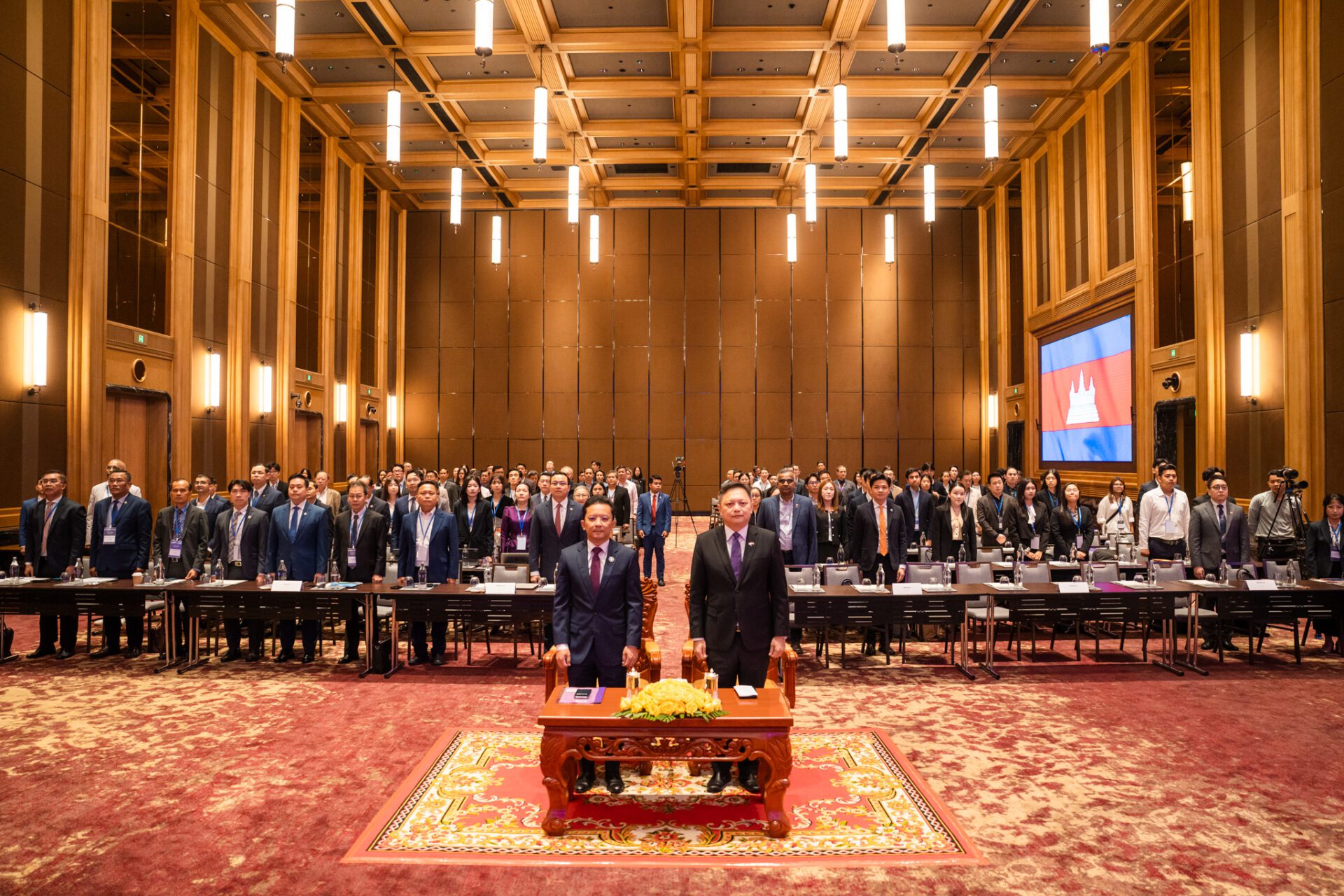
“An important point to remember is to work with traders or importers who understand Singapore’s import requirements,” Li said at a seminar organized by the Singapore Embassy in Phnom Penh and SFA. It brought together Cambodian government institutions and businesses in the food processing and logistics sectors to discuss import regulations, product testing, labeling and traceability.
He explained that importers in Singapore are responsible for applying for import permits, while exporters in Cambodia must make sure their products meet the required regulations before they enter the market.
He also said that Singapore follows a science-based, risk-assessment approach to food safety. Processed products, such as biscuits, instant noodles, and processed nuts are generally considered low-risk. Fresh fruits and vegetables, however, are checked for pesticide residues.
Meat and eggs require more thorough assessments, including checks on the exporting country’s inspection systems and production facilities. Some seafood products, including raw oysters and pufferfish, are also subject to stricter controls.
Li said SFA was ready to help potential suppliers understand the requirements before they begin the formal approval process. This support includes preliminary document reviews and online assessments to help businesses identify areas that need improvement. The agency can also assess production facilities through video calls, helping businesses reduce the cost of compliance.
“We try to play the role of a teacher who also gives tests, but the teacher hopes that you will pass because, ultimately, it benefits Singapore by having an additional source of supply,” he said.
According to Singapore’s 2025 food statistics, more than 90% of its food comes from around 180 countries, making a diverse supply network an important part of its food security strategy.
Singapore Ambassador to Cambodia Steven Pang Chee Wee said Cambodia’s agricultural production could help meet Singapore’s need for diverse food sources while opening up opportunities for Cambodian producers and exporters.
Industry Minister Hem Vanndy said Cambodia should move beyond exporting raw agricultural products and focus more on higher-value processed foods. He highlighted the need to invest in modern processing technology, quality control, packaging and internationally recognised food safety systems.
He also stressed the importance of strengthening the country’s quality infrastructure, including accredited testing laboratories and affordable certification services, particularly to help small and medium-sized enterprises meet international standards.
Both sides stressed the need to turn bilateral cooperation into practical trade opportunities and support the development of Cambodia’s food processing industry.
According to the General Department of Customs and Excise’s latest data in September, Singapore did not appear on the list of top 20 destinations for Cambodia’s exports; however, Cambodia imported goods worth $149 million from Singapore in September, which was an increase of 15.6% from the same period in 2025.
Former president of the Cambodian Aquaculture Association, Sok Raden, told CamboJA News that he was pleased to hear that Singapore had opened its market to Cambodian aquaculture products.
However, he noted that Singapore is a high-income country with a high standard of living, therefore, its food safety and quality requirements are particularly strict. In order to serve this market, Cambodia needs to ensure access to clean water and quality fish breeds.
It also has to address key challenges, including electricity prices, access to capital and bank loans, and production costs, to compete with neighbouring countries, such as Vietnam, Thailand and Malaysia.
He added that food safety standards are essential for exporting fish and aquaculture products to international markets. One of the challenges is that water used in aquaculture may still contain chemicals or become contaminated by runoff from farms where pesticides are used and from residential areas.
The use of chemicals and unclean ice during fish storage is another concern. He said these practices require close monitoring and stricter management by the relevant authorities. Cambodia also needs qualified technical experts and a reliable supply of high-quality fish feed that meets proper standards.
“In my personal opinion, opening the Singapore market is a source of pride for people involved in fish farming and other agricultural activities. However, everyone needs to understand that Singapore is different from Cambodia.
“They have a higher standard of living and GDP [gross domestic product], so their expectations for food quality are also higher. They want food that is safe and healthy. That is why we must pay close attention to quality,” he said.
Given his involvement in the aquaculture business, Raden called on the government to establish a special mechanism to simplify and expedite export procedures. He said this should include reducing complicated administrative requirements and delays.
He also urged the government to encourage investment in domestic supporting infrastructure, particularly research and the breeding of high-quality fish, as well as proper and reliable irrigation and water supply systems for fish farmers.
“As people working in this sector, we want a special mechanism to be put in place. Once the opportunity is available, the process should be accelerated. We do not want unnecessary complications or delays. Administrative procedures and paperwork should be simplified,” he said.