Listen to the audio version of this article (generated by AI).
Bombs and rockets continue to fly across the Cambodia-Thailand border, but the conflict reignited in December is also laying the groundwork for a prolonged economic shock in the communities most exposed to the fighting, local businesses, scholars and trade experts said.
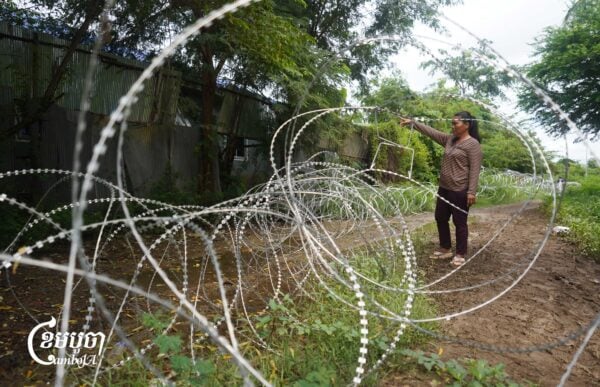
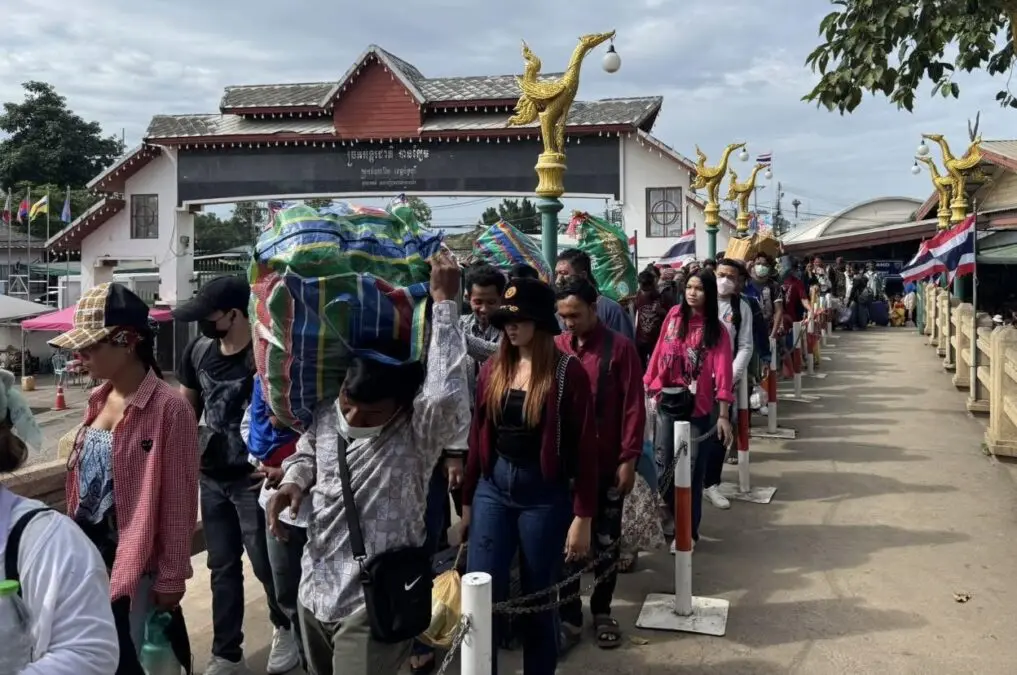
Border closures and restrictions between the neighbors, already in place before five days of deadly clashes in July, have frozen cross-border trade and cut off income for thousands of traders, farmers and daily wage workers who rely on cross-border trade and markets to survive.
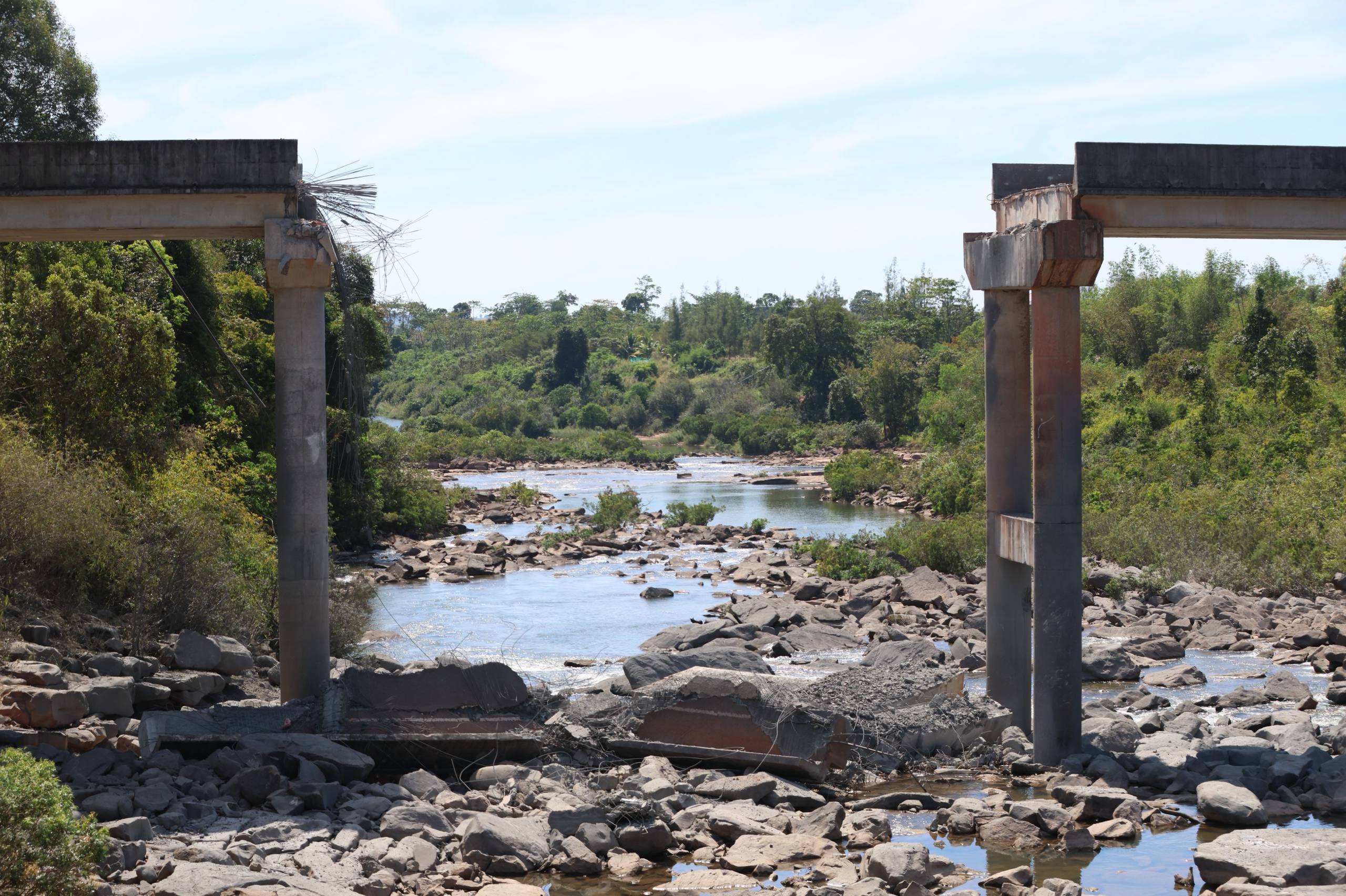
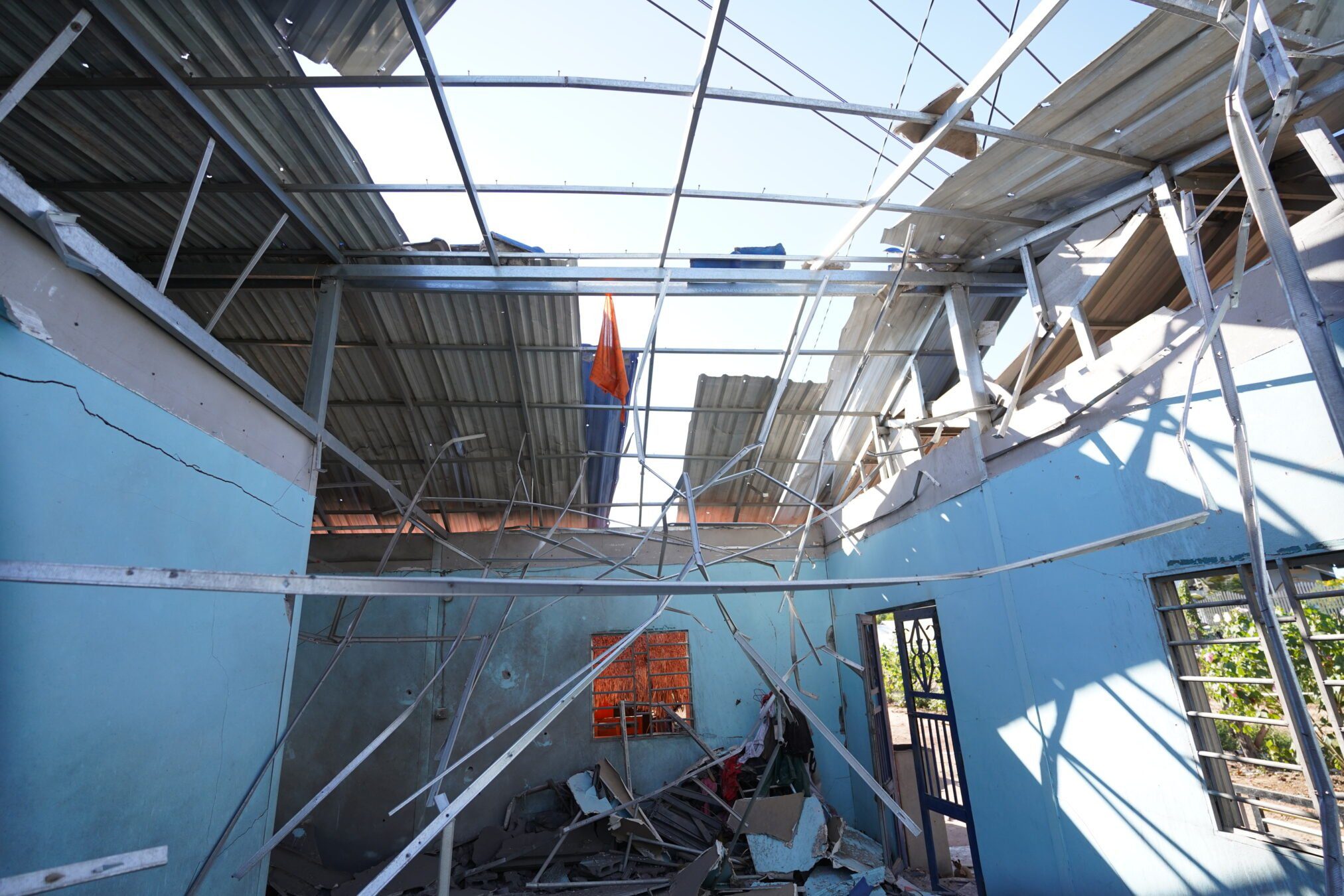
Now, hundreds of homes, along with markets, schools, temples and other public infrastructure near the border have been destroyed by Thai artillery, according to the Cambodia Ministry of National Defense. Thailand reported similarly destroyed public infrastructure from Cambodian BM-21 rockets in the latest fighting, and has said it wants to cripple Cambodia’s military capabilities.
Both countries have suffered losses – besides dozens of lives lost on both sides – to border trade and growing pressure on their GDP, but Cambodia may be taking the brunt, according to experts.
Domestic Politics Drive Conflict Despite Economic Costs
Beyond the battlefield, scholars say domestic politics are shaping how the conflict is being prosecuted despite economic pressures.
“This focus on [Thailand] domestic political survival suggests that the livelihoods of border residents and the broader economic damage are secondary to the goal of securing a nationalist voter base and maintaining the support of the military,” said Pavin Chachavalpongpun, a Thai professor of politics and international relations at Kyoto University.
Pavin told CamboJA News the renewed conflict has caused serious economic disruption for both countries.
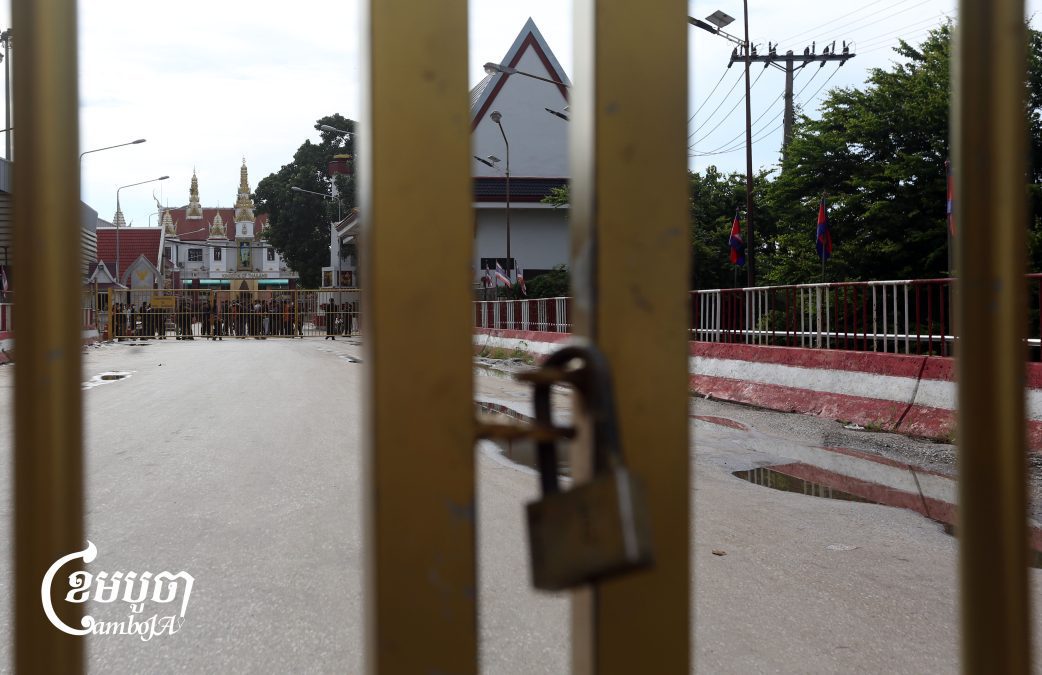
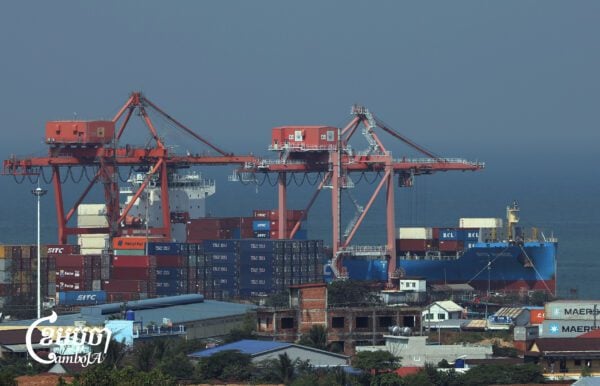
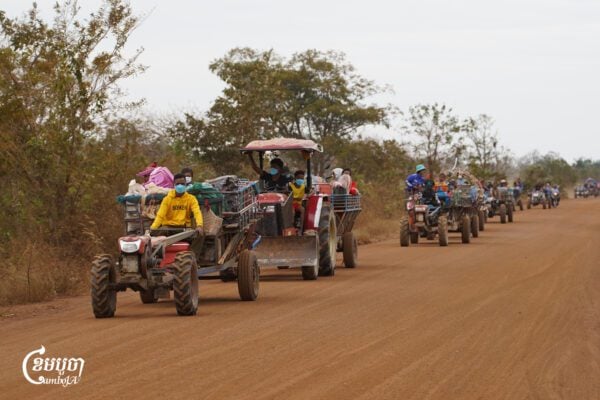
The closure of key border crossings, including the Klong Luek–Poipet crossing between Cambodia’s Banteay Meanchey province and Thailand’s Sa Kaeo province, has halted about $4.7 billion in annual trade, he said, citing public data. The return of more than 800,000 Cambodian workers – a figure the Labor Ministry has since put at 900,000 since July – has also disrupted labor-dependent sectors in Thailand.
For Cambodia, he said, the cutoff of Thai goods has pushed up prices and intensified inflationary pressure.
Cambodia has banned all Thai agricultural products and fuel – previously its top fuel supplier in 2024 – from entering the country across all land borders since June, while Thailand has announced restrictions on Thai vessels believed to be transporting fuel and other products it says could support Cambodia’s military.
Cambodia’s bilateral trade with Thailand fell 13% from January to November 2025 compared with the same period a year earlier, according to Cambodia’s General Department of Customs and Excise. In November alone, Thai imports into Cambodia dropped 49%, while Cambodia’s exports to Thailand fell 38% year on year.
San Chamroeun, deputy chief of the Data and Statistics Office at the customs department, said most agriculture products previously exported to Thailand are now being redirected to Vietnam and China.
Pavin also cited data from Thailand’s trade and commerce department in a report released in December showing border trade with Cambodia had been disrupted by nearly 100%, with estimated losses of about $16 million a day.
If the situation persists, more than 66 billion baht ($2.1 billion) could be lost in overall Thai exports, the Center for Economic and Business Forecasting at the University of the Thai Chamber of Commerce said, adding the hit could reduce the country’s 2026 GDP by 0.74% to 1.5%.
Cambodia Faces Sharper Economic Hit
Leading businesses in Cambodia say the country is likely to feel the economic costs of the conflict sooner than Thailand.
Arnaud Darc, chairman and chief executive of Phnom Penh-based Thalias Hospitality Group, said renewed clashes mean Cambodia is likely to suffer more immediate economic damage than Thailand, given its heavier reliance on cross-border trade, tourism and labor ties.
Since the conflict, the World Bank projected Cambodia’s economic growth at 4.8% in 2025, slowing from 6% in 2024 amid disruptions such as weaker tourism, falling remittances from migrant workers in Thailand, higher logistics costs and eroded investor confidence.
Thailand’s economy has also slowed since the conflict, with growth of just 1.2% in the third quarter, according to a McKinsey & Company report, its weakest performance since 2021.
Darc said Cambodia’s vulnerability is heightened by its trade imbalance with Thailand and its dependence on Thai supplies, particularly fuel.
While Phnom Penh has said it can divert fuel away from Thai suppliers, about 90% of Cambodia’s fuel imports came from, or transited through, Thailand last year, according to World Bank data.
Cambodia’s tourism industry also depends heavily on Thai visitors. In 2024, more than 2 million of the 6.7 million foreign visitors to Cambodia were Thai, contributing about 2% to GDP, World Bank data shows. Arrivals from Thailand fell 91.6% in August from a year earlier.
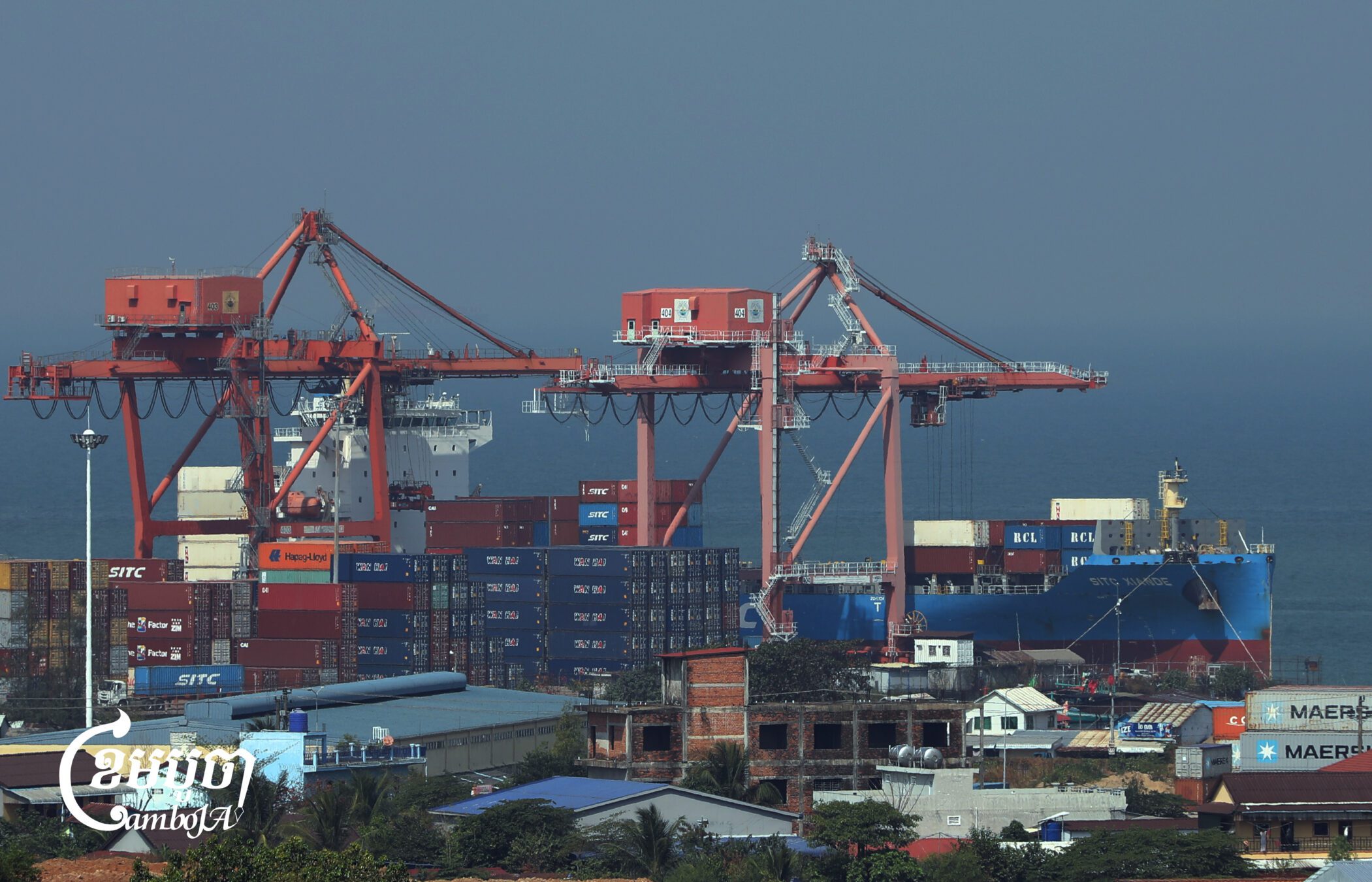
Darc said Thailand’s tourism sector has also been affected, but the impact is proportionally smaller at the national level, hitting mainly border provinces, logistics operators and exporters linked to Cambodia-facing supply chains.
He said recovery would depend less on a formal ceasefire than on predictable border operations, warning that prolonged restrictions could delay investment and weigh on growth for years, while a rapid reopening could allow trade and tourism to recover within months.
Meas Sok Sensan, a spokesperson for Cambodia’s Ministry of Economy and Finance, did not immediately respond to a request for comment on whether the government has assessed the economic impact of the conflict.
Pavin said prospects for economic and diplomatic cooperation remain fragile, adding that despite a former $25 billion trade target between the neighbors, relations are at their lowest in decades and future cooperation may be driven more by external pressures such as U.S. tariffs than by reconciliation.
(Additional Reporting by Moun Liza)