Women entertainment workers in Cambodia are raising the alarm over discrimination, unsafe conditions and denial of rights including maternity leave and social security. They say legal gaps and weak enforcement leave them exposed to abuse, while the government insists no official complaints have been filed.
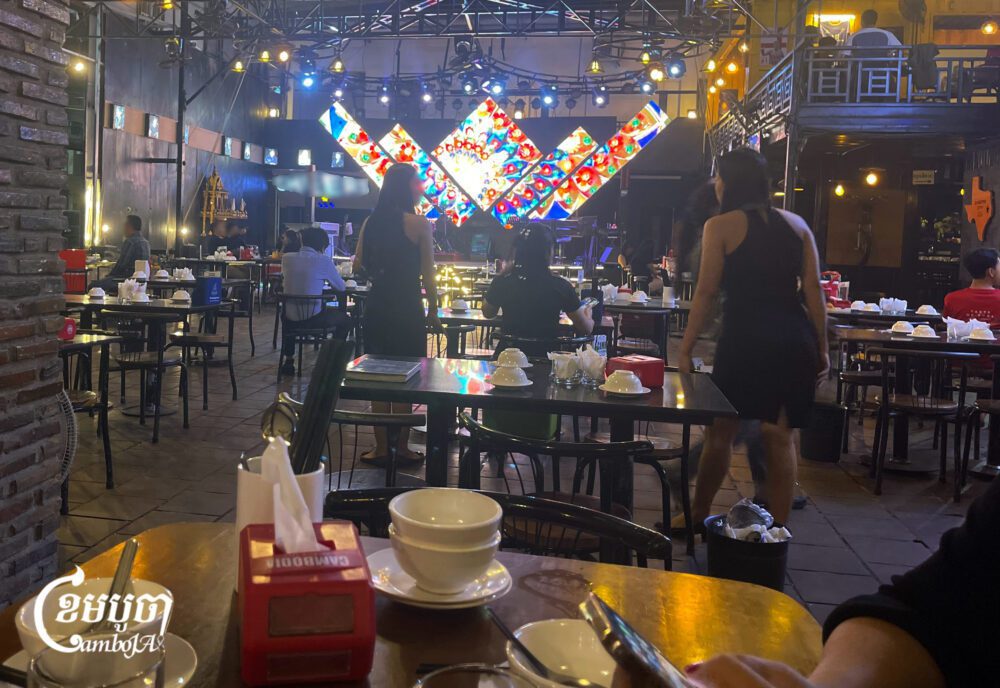
Last week, ActionAid Cambodia published a charter of demands from women working in entertainment venues such as beer gardens, karaoke bars and nightclubs. The global justice group drew up the list after surveys and group discussions with more than 100 workers in urban areas between 2021 and 2024.
The charter found many workers still cannot access basic employer benefits guaranteed by Cambodia’s Labor Law.
Many women also reported facing discriminatory demands, like regular urine tests to check for pregnancy.
“There is continued discrimination against pregnant women,” the group said. “If the women want to have a child, they have to resign from their job.”
The charter also listed demands for safeguards against gender-based violence by customers and supervisors, enforcement of employer registration with the National Social Security Fund (NSSF), an end to pressure to drink alcohol to meet sales targets and access to fixed monthly salaries.
Phin Sreyneath, a representative of nightlife workers in Phnom Penh, urged the Ministry of Labor to carry out regular inspections to ensure proper working conditions.
“The government is responsible for enforcing the law,” said Yang Sophorn, president of the Cambodian Alliance of Trade Unions. “It must ensure employers comply, and when they don’t, the government should step in and take corrective action.”
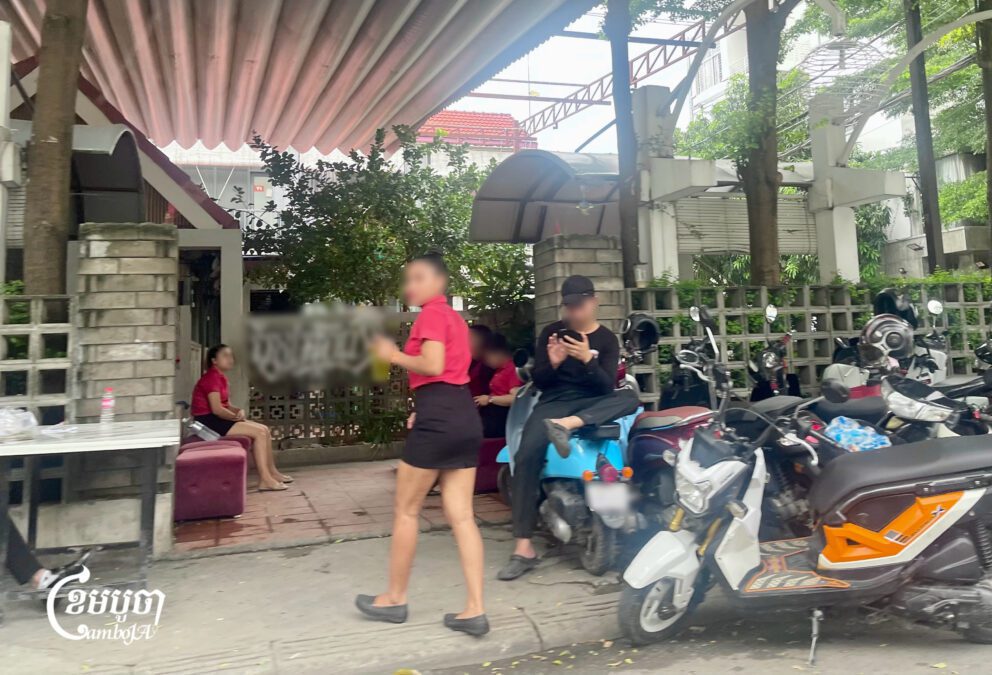
Sophorn said the lack of a clear legal definition for formal and informal roles in the entertainment industry has blocked workers from accessing social protections, including NSSF benefits.
As of now, the NSSF has issued health equity cards to 507 entertainment businesses, covering 3,418 workers, according to Heng Sophannarith, deputy director general of the NSSF.
But a 2020 report by the Ministry of Tourism said at least 1,293 entertainment businesses were operating nationwide.
Ministry of Labor spokesperson Sun Mesa said the government does not ignore abuse by employers, but claimed no formal complaint has been filed by nightlife workers demanding action on systemic issues.
“If workers are facing problems, they should file a complaint with the Ministry of Labor,” he said. “Once we receive a formal complaint, the ministry will take action to monitor and investigate the case accordingly,” he added, suggesting the charter does not meet that threshold.
But labor leaders say workers have already made their concerns clear – just not through the ministry’s narrow formal channels.
Sophorn said women entertainment workers have repeatedly raised issues through public events such as International Women’s Day, International Workers’ Day and Human Rights Day.
“Every time we organize these events, we prioritize the key issues affecting them,” she said. “But there has been no meaningful response from the Ministry of Labor.”