Predatory lending and aggressive collection practices by microfinance institutions in Cambodia, backed by international investors, are driving land dispossession and human rights abuses among Indigenous communities, Human Rights Watch said in a new report.
The rights group said the financial backers of the implicated microfinance institutions (MFIs) include private investors, state development banks and the International Finance Corporation, the World Bank’s private investment arm, in its 120-page report released Wednesday.
“Cambodian lenders have marketed microfinance loans as a pathway out of poverty, but they have pushed Indigenous families into over-indebtedness,” Bryony Lau, deputy Asia director at Human Rights Watch (HRW) said in a news release about the report. “These loans have cost many people their land, their health and sometimes their lives.”
Between February and October 2024, HRW interviewed more than 50 Indigenous villagers affected by microfinance over-indebtedness in and near Ratanakiri province.
Researchers said they corroborated these accounts with civil society groups, journalists, industry experts, and credit officers from multiple MFIs, as well as reviews of internal documents, industry data, loan agreements and borrowers’ credit reports.
Indigenous borrowers described credit officers pressuring or coercing them to take out informal loans or sell land or assets to service their debt, sometimes through repeated visits and threats of legal action or involvement of local authorities. Many borrowers, who cannot read Khmer, said they did not fully understand loan repayment terms, fees, or interest rates before taking out the loans.
The resulting hardships have led to coerced land sales, over-indebtedness, and violations of economic, cultural, and social rights, and in some cases, even debt-driven suicides, HRW reported.
Debt-related suicides or attempts among microloan borrowers in Cambodia have been reported for years, drawing scrutiny to foreign firms invested in MFIs, lapses in the certification process and the sector’s shift toward a for-profit model.
Like in many other countries, Cambodian MFIs began as donor and NGO-backed nonprofits before becoming highly profitable businesses. By 2019, Cambodia had the highest level of microfinance debt per capita in the world. Today, more than half of households are in debt.
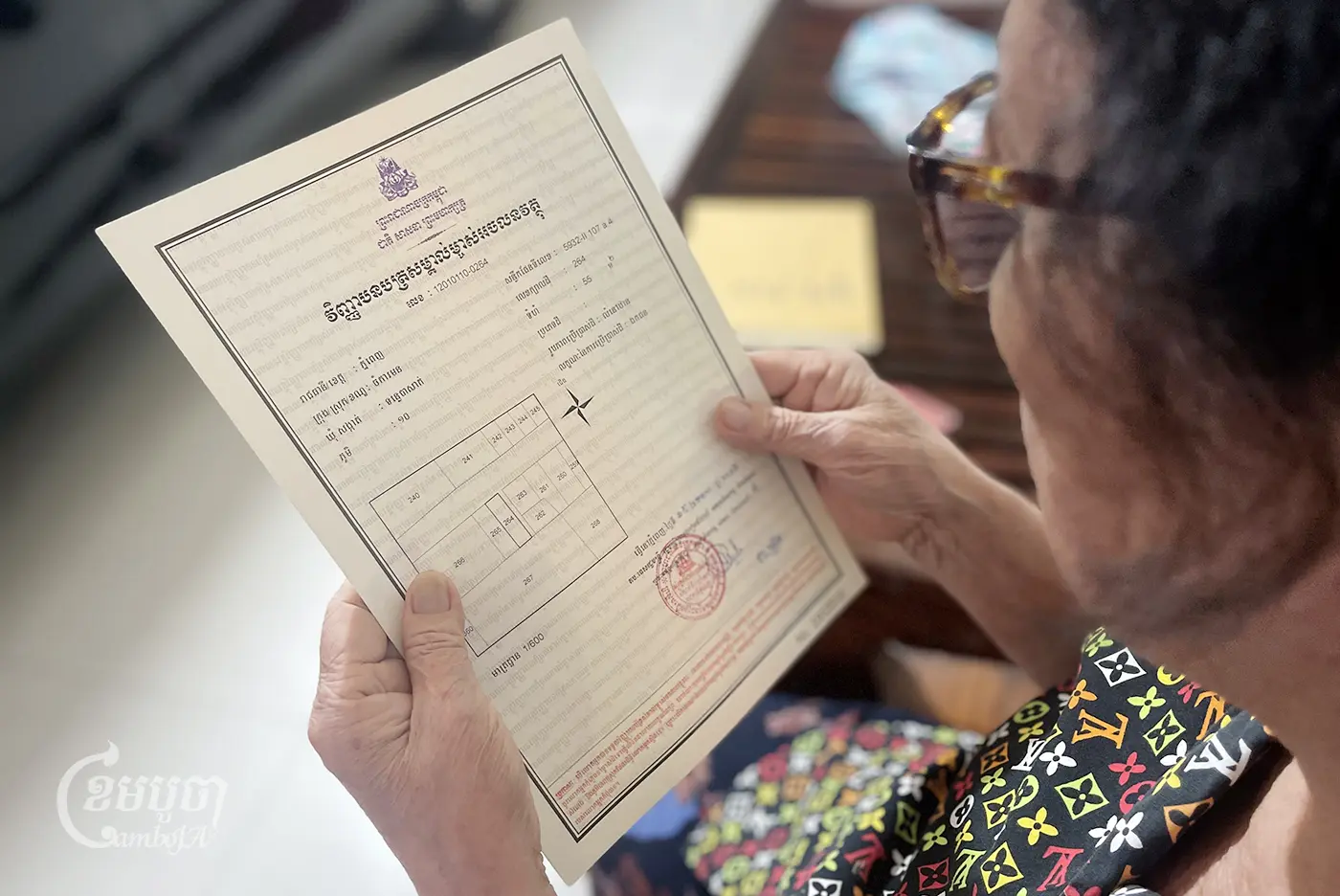
HRW also flagged the acceptance of “soft titles” – informal but widely used documents issued by local authorities – as collateral by MFIs, even when they overlap with Indigenous collective land titles protected under Cambodian law.
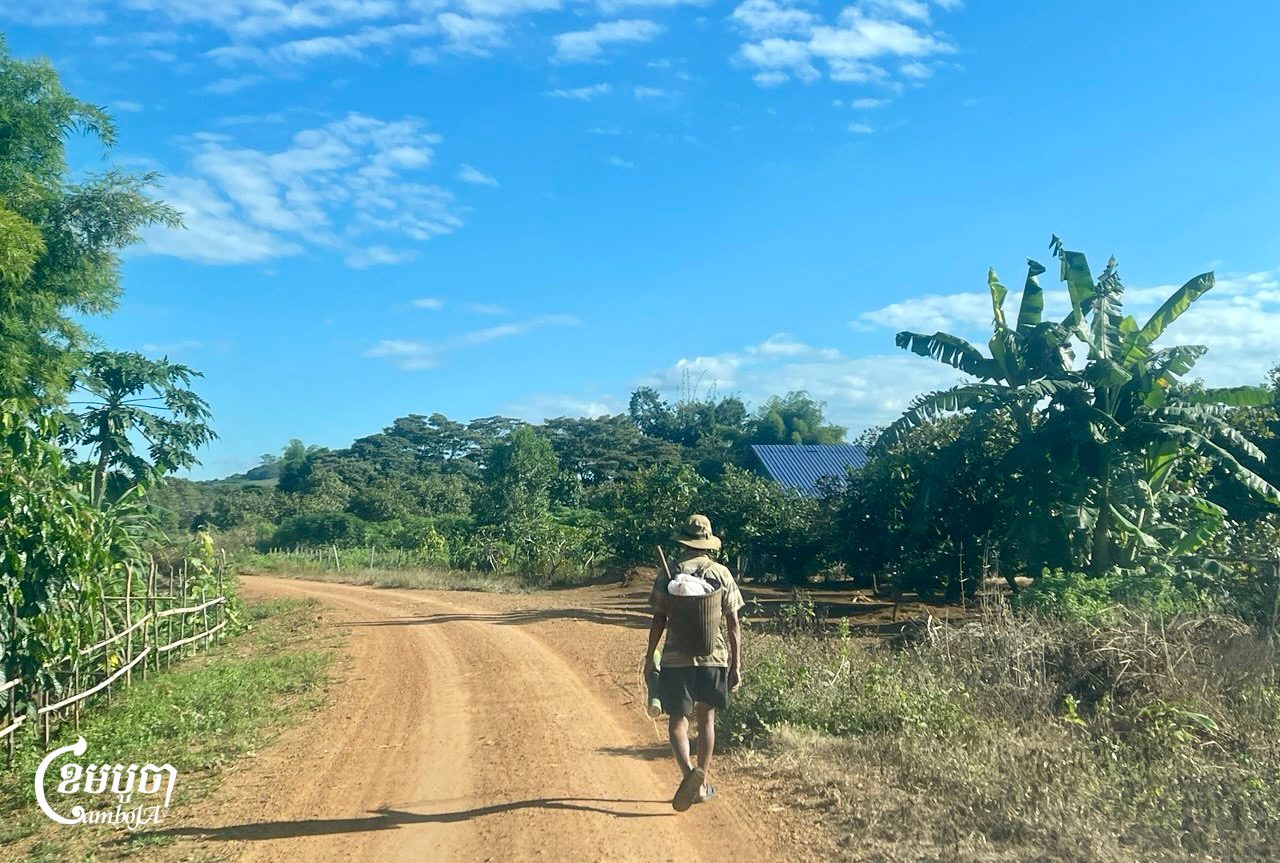
Sompoy Chansophea, project coordinator at the Cambodia Indigenous Peoples Alliance (CIPA), said most Indigenous families borrow to grow crops such as cassava and cashew. But because these are seasonal crops, he explained, farmers often have no income in the off-season to make repayments.
“In the past, some families owed nearly $20,000, while others owed $5,000 or $2,000,” he said. “But their only income comes from cashew and cassava harvests once a year, and they have no steady monthly earnings. This makes it very difficult for them to repay the banks.”
Chansophea added that mounting debts have forced some to migrate in search of additional work.
HRW cited one firm, Amret, whose shareholders include the World Bank’s International Finance Corporation (IFC) and the Netherlands’ state development bank (FMO), as taking soft titles as collateral.
As early as 2015, the IFC acknowledged the risks of over-indebtedness and weak consumer protection in Cambodia’s microfinance sector but continued to invest. Between 2016 and 2021, it poured in more than $438 million. In 2022, Cambodian rights groups filed a formal complaint with the IFC’s Compliance Advisor Ombudsman, triggering an investigation.
The group said Amret’s credit officers engaged in aggressive repayment practices, including encouraging borrowers to sell their children into labor. The firm said it has a “zero tolerance policy” for such practices but did not confirm whether it had verified the allegations.
“Whenever a credit officer fails to follow an institution’s code of conduct, they face administrative penalties,” said Kiang Tongngy, spokesperson for the Cambodia Microfinance Association (CMA), an NGO that promotes sustainability in the sector.
“In some cases, they may be terminated, and in very serious cases, the institution itself may face legal action,” he added, noting that CMA had received more than 100 complaints in 2024 about delayed returns of land titles to borrowers who had repaid their loans.
HRW recommended that investors, regulators and MFIs ensure remedies such as debt forgiveness, meaningful restructuring and the return of Indigenous land taken through coerced sales.
“Cambodia’s microfinance sector has been propped up by the IFC, international development banks and private investors who have disregarded mounting evidence of harm and repeated calls by Cambodian groups and borrowers for action and assistance,” Lau said. “The IFC and other funders should ensure Indigenous peoples are no longer suffering so investors can profit.”
Government spokesperson Pen Bona and Finance Ministry spokesperson Meas Soksensan declined to comment on the report, referring questions to the National Bank of Cambodia. Its governor, Chea Serey, did not immediately respond to requests for comment.