Listen to the audio version of this article (generated by AI).
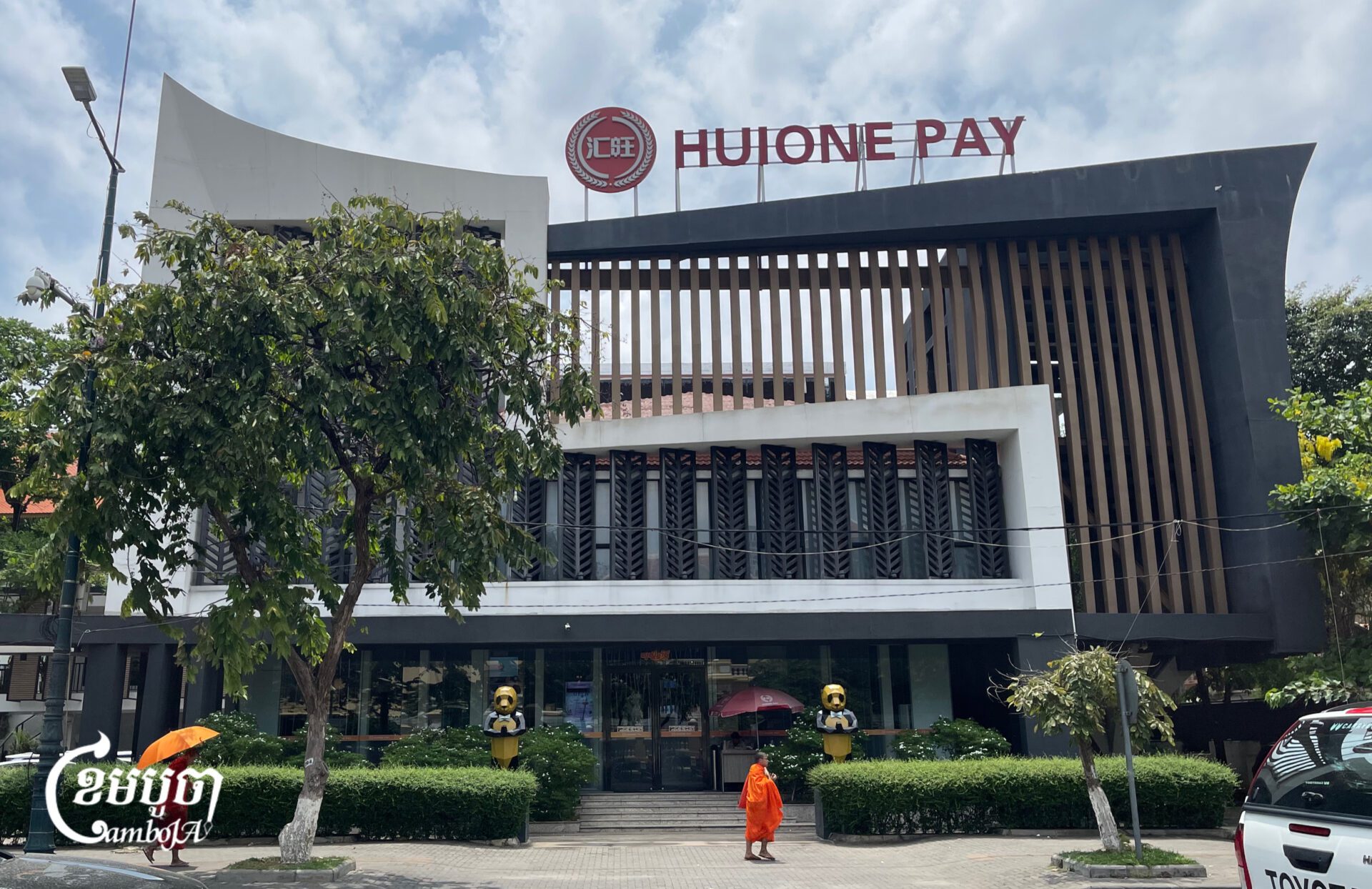
Hun To, a cousin of Prime Minister Hun Manet, said on Wednesday he held a 30% stake in blacklisted payment firm Huione Pay but denied involvement in its day-to-day operations, despite official records listing him as one of its directors.
Hun To’s statement came after Huione Pay customers staged a fourth protest at the National Bank of Cambodia (NBC) last week, demanding authorities and the company return their funds after the payment firm was liquidated and its license revoked in 2024, even as it continued operating.
The protest turned violent and led to the arrest of demonstrators, who were charged with incitement to cause serious social disorder and obstructing public traffic.
Huione Pay and related firms were sanctioned by the United States last year for allegedly laundering billions of dollars tied to scam operations in Cambodia and tens of millions for North Korean hackers.
The firm later appeared to rebrand as H-Pay under new directors before facing a nationwide run on deposits after suspending withdrawals. The company has denied involvement in criminal activity.
Hun To said he had been accused of owning Huione Pay and pressured to repay customers. He acknowledged holding a 30% stake, but said he did not manage the company’s operations and “never received any profits, dividends or assets from that company.”
“I lost the right to manage the general affairs as a 30% shareholder since the company’s first operation in 2020 because I did not pay the 30% net amount, which is my share, into the company to launch the company’s operations,” he said.
Huione Pay’s corporate listing on the Ministry of Commerce database is no longer publicly available, but a search of Hun To’s business roles still lists him as a director alongside Yan Sathya and Li Xiong.
Li, who Chinese authorities said was involved in illegal casinos, fraud and concealing criminal proceeds, was arrested and extradited to China last month.
Li owned 62% of Huione Pay’s shares, according to a report by liquidator Reachs & Partners, which showed the liquidation was completed in October.
After earlier payouts, He Yanming, identified by the liquidator as a creditor, received $145,000, while Li received more than $1 million across two payments. Hun To and Yan Sathya did not receive payouts, according to the report signed by all three shareholders.
He Yanming is also listed in corporate records as a director of Panda Bank, whose license was revoked and which was ordered into liquidation earlier this year, months after a CamboJA News investigation found apparent overlaps in senior leadership and directors between Huione Pay, Panda Bank and H-Pay.
Hun To said he held no shares in and had no involvement with H-Pay, whose payment services license has also been revoked by the NBC.
He also said he never received invitations to Huione Pay’s shareholder meetings, authorized proxies to act on his behalf or participated in company votes.
Se Younran, Hun To’s lawyer, did not immediately respond to a request for comment.
Roeurn Bunheng, CEO of Reaches & Partners, said he could not discuss details of Huione Pay’s liquidation by phone, describing the process as complex.
He said the firm had also been appointed by the NBC to oversee H-Pay’s liquidation and was currently verifying customer claims.
A Huione Pay customer, who declined to be named over security concerns, said he had about $13,000 deposited with the company but had given up hope of recovering the funds.
NBC previously told depositors the matter was beyond its authority and advised them to seek court settlements.
“I have no hope that I will get my money back,” he said. “I could be arrested if I protested again.”