Listen to the audio version of this article (generated by AI).
Cambodia has set up a working task force to receive Afghan refugees from Qatar, following a request by the United States government, with analysts questioning the move, including the duration of the stay and funding after an earlier experience involving Australia, and even Afghanistan, showed unsubstantial results.
Back in 2014, Cambodia accepted refugees for a controversial $40 million refugees settlement deal with the Australia government signed in September that year, but only asylum seekers were transferred over.
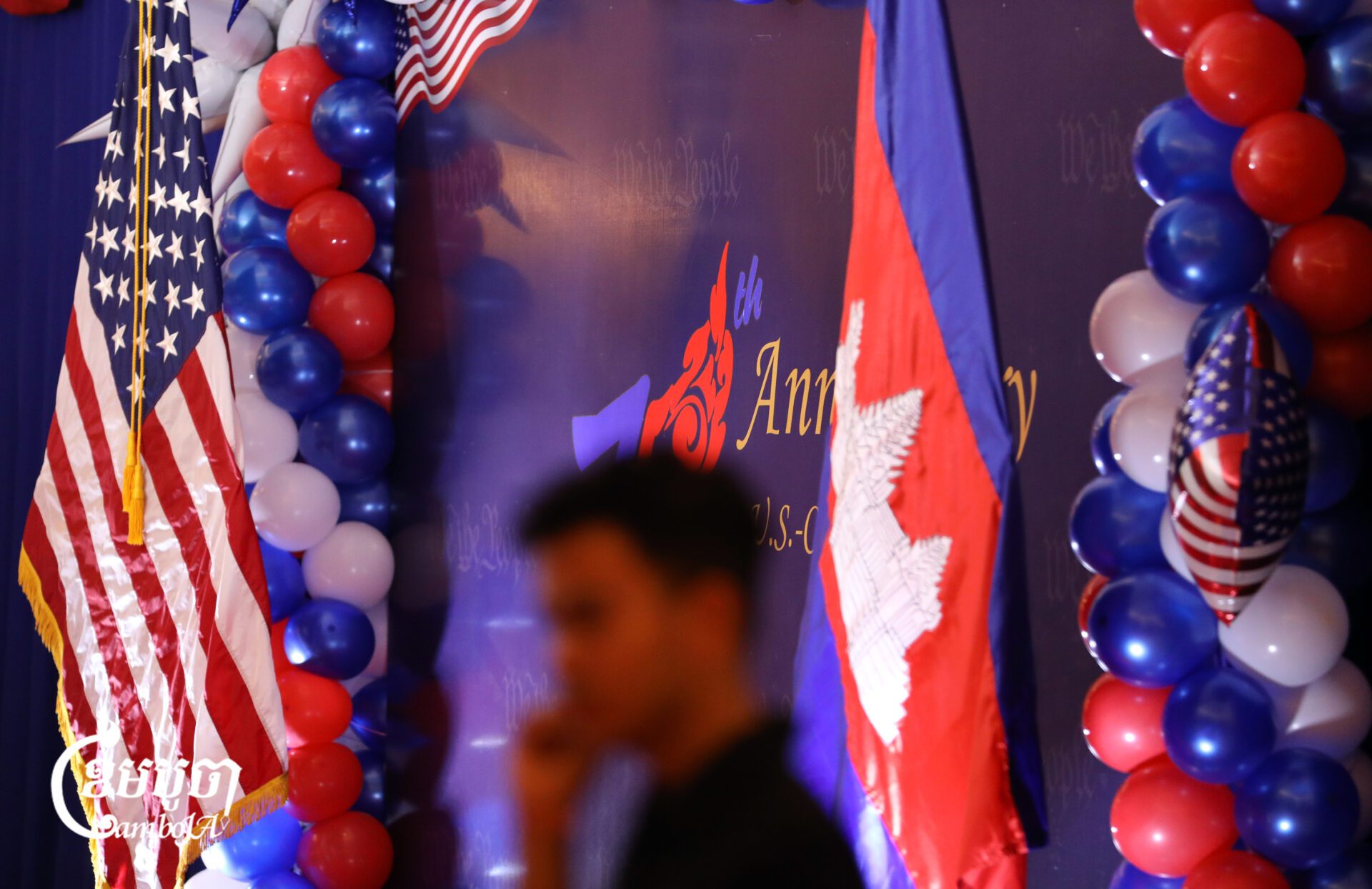
In the latest deal, Prime Minister Hun Manet signed an agreement with the U.S. based on a request which led to the formation of a working group to facilitate the acceptance of Afghan refugees who are currently in Qatar. They were evacuated from their country when the U.S. pulled out of there in 2021 after 20 years of war.
The task force consists of 16 members from the Interior Ministry, Foreign Affairs and International Cooperation Ministry and other relevant ministries. Interior Ministry’s Secretary of State, Kirth Chantharith will chair the group.
According to a Royal Gazette issued on September 23, Cambodia would decide on the number of Afghans it accepts, and facilitate their temporary stay, arrange accommodation and coordinate with the U.S. based on their needs and well-being.
It also outlines coordination with airline companies to facilitate the refugees’ transportation to Cambodia and logistics to the accommodation site and their departure from here. In addition, Cambodia would ensure their safety and security during their stay.
Around 1,100 Afghans are reportedly still staying at Qata’s Al-Sayliyah camp while awaiting relocation, according to AfghanEvac, which reported in July that their relocation deadline had been set for September 30.
This is not the first time Cambodia is accepting Afghan refugees. In 2021, the government agreed to temporarily host up to 300 Afghan refugees linked to the Asia Foundation, however 15 people were taken in while awaiting resettlement in third countries, media outlet UCAnews wrote.
At the time, Cambodia said it would only accept the refugees on a “temporary basis”.
Cambodian Asia-Pacific geopolitical analyst Seng Vanly, said that accepting the refugees could improve Cambodia’s relationship with Washington and show a willingness to help with an international humanitarian problem.
However, the content of the agreement between Cambodia and the U.S. remains unclear, which both governments should explain further in detail with regard to the duration of stay, cost of temporary living and what rights they will possess.
“Any benefit could disappear if the refugees are poorly treated or left without a future. Cambodia should seek a fair agreement in which the United States continues to take responsibility,” Vanly said.
“I think Cambodia can help the Afghan refugees, but the government must explain clearly what it has agreed to. Helping people escape danger is a good thing, but Cambodia should not accept a responsibility that could last for years without clear funding and a plan for the refugees’ future,” he added.
He said the earlier deal with Australia should serve as a “warning”. At the time, only seven refugees moved to Cambodia, and three remained when the deal expired in 2018. It showed that an agreement between governments “is not enough”.
Vanly added that Cambodia could face serious difficulties if a temporary stay became permanent, and involved housing, healthcare, schooling and support as it would require continued funding.
Operations director Am Sam Ath of rights based NGO, Licadho, voiced similar concerns as Vanly, raising the Australian deal as an example and urging Cambodia to strengthen its legal, humanitarian and human rights protection.
“Cambodia must also strengthen its protection and respect for human rights to make it even better,” he said.
Sam Ath noticed that in the past, there was major criticism of how ethnic minorities were treated, referring to indigenous Montagnard asylum-seekers, who fled to Cambodia and were sent back to their country of origin.
Interior Ministry’s Chantharith declined to comment, saying that he was in the meeting.
Government spokesperson Pen Bona, as well as the spokespersons of the Interior Ministry, Touch Sokhak, and General Department Immigration, Sok Somnea, could not be reached for comment.
U.S. embassy in Phnom Penh spokesperson Jonathan Collett, referred questions to the U.S. Department of State, but they did not respond at the time of publication.