Listen to the audio version of this article (generated by AI).
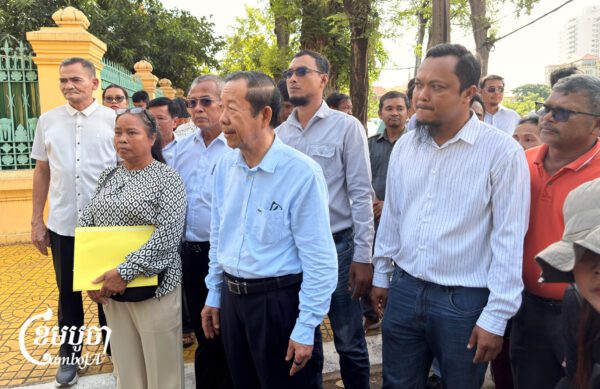
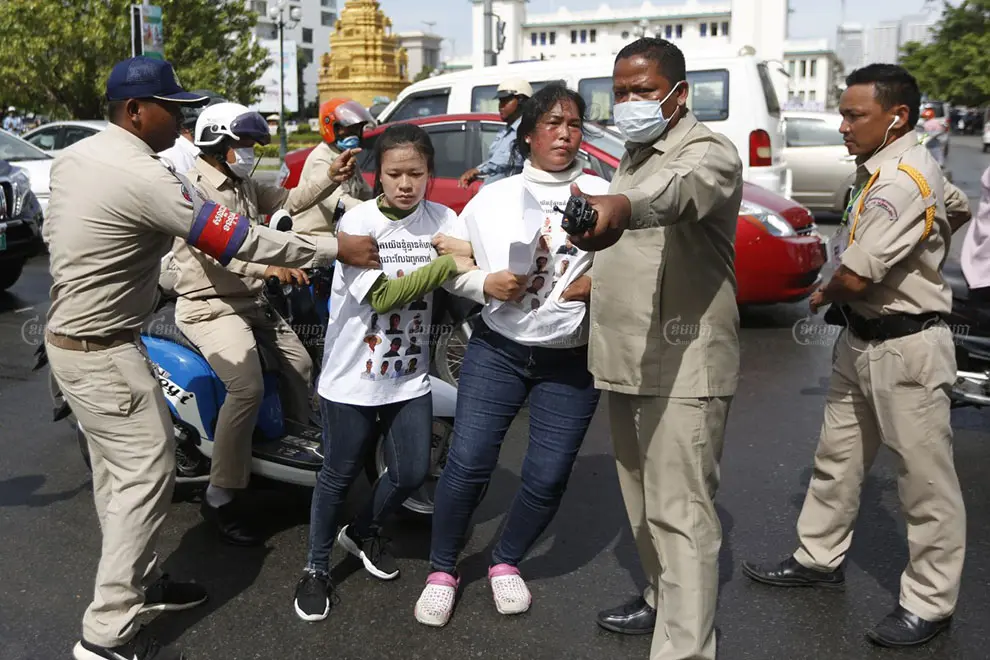
For years, Prum Chantha stood outside Cambodia’s prisons, courtrooms and foreign embassies, demanding the release of her husband and dozens of other opposition activists she regarded as political prisoners.
She said police shoved her to the ground and tore down protest banners. Rather than driving her from politics, the experience pushed her toward it.
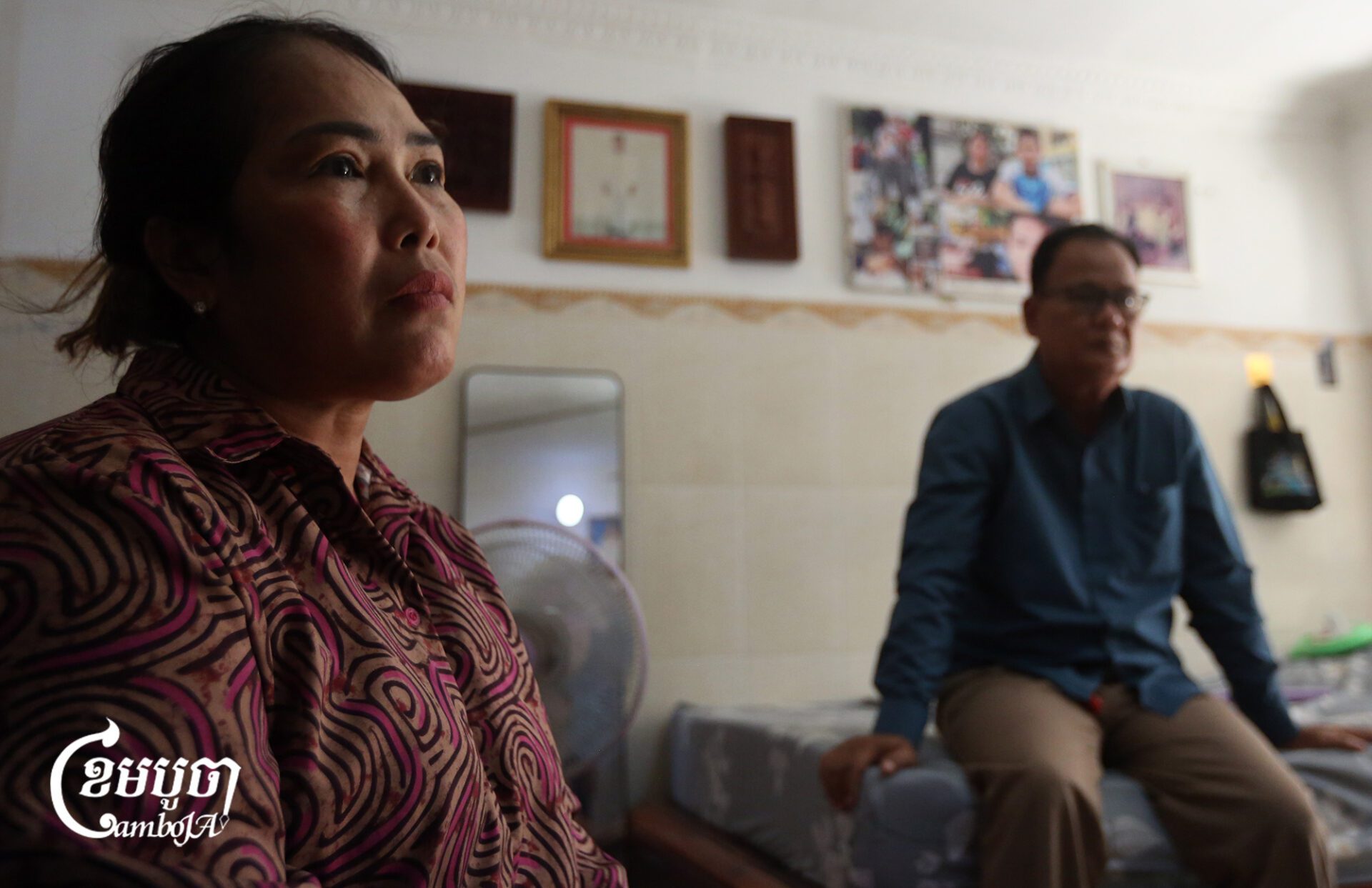
“I want to promote more women to stand for the commune election as much as possible because it is good to have many women’s voices,” said the 48-year-old mother of two, who plans to contest a National Assembly seat in Prey Veng province in 2028.
Chantha’s husband, Kak Komphea, was among dozens of Cambodia National Rescue Party (CNRP) members charged with treason and incitement in 2017 before the Supreme Court dissolved the opposition party. Their 16-year-old son, who has autism, was also jailed for several months in 2021 over social media posts critical of the government.
Once a vegetable vendor, Chantha said years spent campaigning for political prisoners convinced her that lasting change would not come through street protests alone.
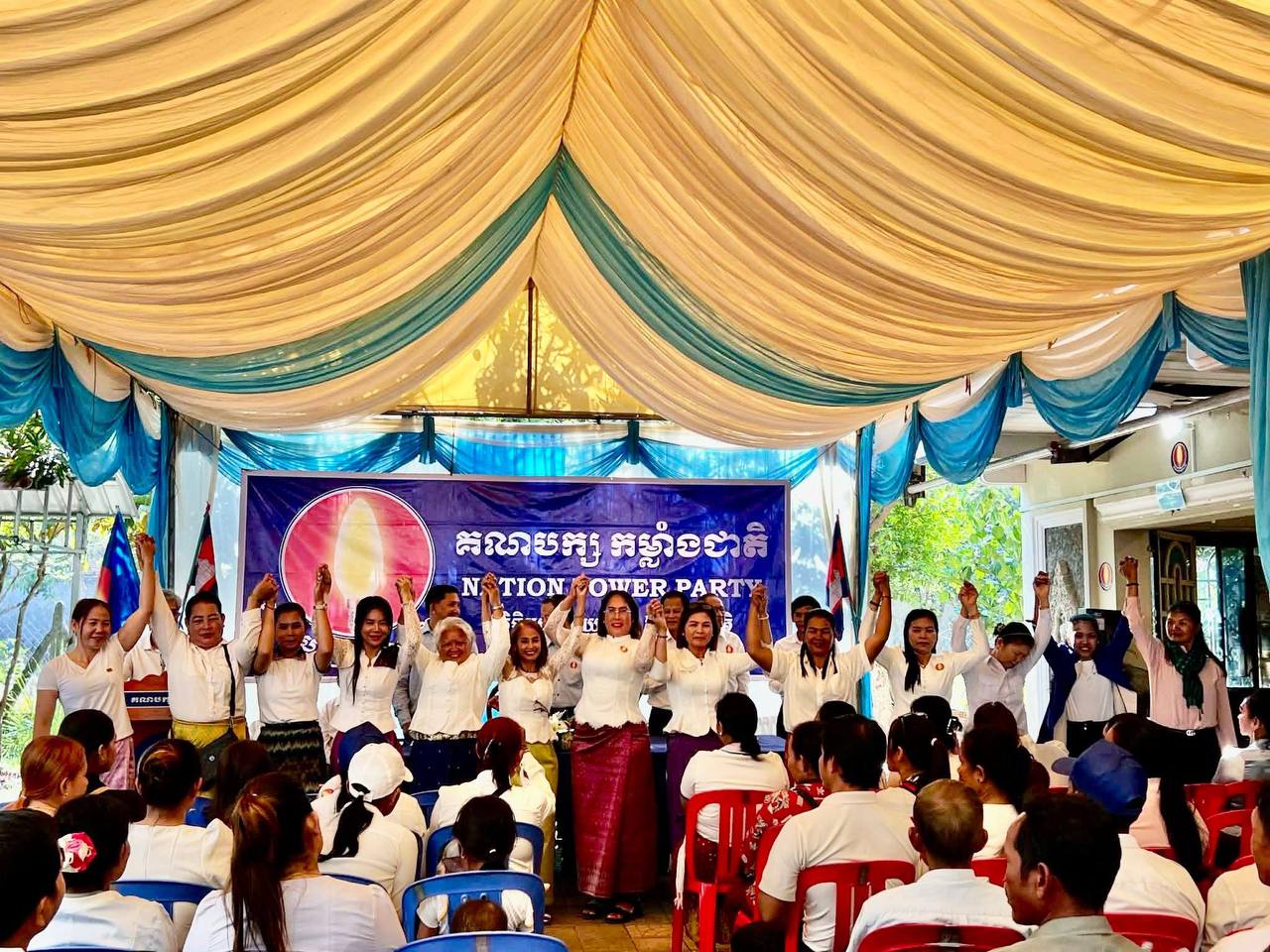
She is one of several wives and mothers of jailed opposition activists, known collectively as the “Friday Women,” preparing to contest next year’s commune elections. After years spent campaigning for imprisoned relatives, they say the experience transformed them from protesters into aspiring politicians. They hope to increase women’s representation in local government while advocating for political freedoms.
Their campaigns come amid longstanding concerns from U.N. human rights experts, rights groups and independent election observers that Cambodia’s democratic space and electoral competition have been sharply curtailed
“I want to have a voice in the National Assembly because there should be more opposition voices,” Chantha said, now head of the women’s movement for the Nation Power Party (NPP). “It is not good for the ruling Cambodian People’s Party to ride without reins.”
The Cambodian People’s Party (CPP) has dominated Cambodian politics for more than four decades. Hun Sen ruled the country for most of that time before handing power to his son, Hun Manet, in 2023.
Government spokesperson Pen Bona rejected concerns that Cambodia has effectively become a one-party state, saying multiple political parties exist and citizens are free to join or vote for any of them.
He also welcomed the Friday Women’s decision to enter politics.
Chantha is among at least seven Friday Women who have committed to running, including Ouk Chanthy, who plans to contest a commune council seat in Phnom Penh’s Prey Sar commune.
Ouk Chanthy’s path was much the same. Years spent campaigning for the release of her husband, former CNRP member Yim Sareth, convinced her to seek office herself. Sareth served several years in prison after a 2022 conviction on plotting and incitement charges.
“Before, I was just an ordinary person and had no interest in politics,” she said. “But after my husband was arrested and I spent years protesting for his release, I promised myself I would run in the commune election.”
If elected, she said she wants to help restore democracy in her commune and support others who have faced political reprisals.
In neighboring Kandal province, Chey Sreyvi plans to run for a councilor position in Takhmao city’s Doeum Mean commune.
“I decided to enter politics because my family received injustice and I want to seek justice,” she said.
A former garment worker who now sells clothes, Sreyvi’s husband, Ton Nimol, served a 20-month prison sentence after calling on the government to uphold the Paris Peace Agreements, opposing what he said was a Chinese military presence at Ream Naval Base and demanding the release of then-imprisoned union leader Rong Chhun.
For San Phat, it was her mother’s imprisonment that changed her outlook.
“At first, I had no interest in politics but when my mother was arrested unfairly, it was very painful and it encouraged me to get involved in politics,” she said, adding that she plans to run for a commune council seat in Kampong Svay commune, Kandal province.
Her mother, Lim San, was sentenced alongside Nimol after calling on the government to uphold the Paris Peace Agreements.
Even if elected, the Friday Women would remain part of a small minority in Cambodian politics.
According to election watchdog Comfrel, women hold just 22% of commune council seats, while nearly 90% of commune chiefs are men.
The CPP holds nearly every seat in the National Assembly and controls the overwhelming majority of Cambodia’s more than 11,000 commune council seats.
Sonket Sereyleak, Comfrel’s education and gender program coordinator, said women’s underrepresentation stems from a lack of political commitment among party leaders and few legal measures promoting gender equality in elections.
She said more women in leadership could strengthen women’s economic independence while helping reduce violence and discrimination.
With campaigning expected to intensify, Eng Chandy, executive director of Gender and Development for Cambodia, said she remained concerned about the candidates’ safety after witnessing assaults on members of the Friday Women during previous protests.
“It sends a message to all women, that public space is not safe for you, that your voice is not welcome,” said Chandy. “I strongly condemn any use of force against peaceful protesters, especially women. The body of a woman protesting should never become a site of state punishment.”
Chandy said Cambodia had made progress in increasing women’s political representation, but that more remained to be done.
“We want to see that continue, especially as we approach the 2027 elections. A healthy democracy needs women’s voices at every level.”
She said the Friday Women had already demonstrated civic leadership through years of protest and engagement with state institutions.
For Chantha and the other Friday Women, the goal now is to turn those years of activism into elected office. They say they hope that by winning seats, future generations will not have to endure the same years of imprisonment, protest and intimidation that first drew them into politics.