Cambodia’s courts remain politicized and opaque, reinforcing impunity for those who target activists and government critics, rights group CIVICUS said Wednesday.
Authorities routinely deny bail, detain suspects for extended periods before trial, and use secretive court proceedings to stifle dissent, CIVICUS said in a report labeling the country’s civic space “repressed.”
“Since January 2025, there have been reports of activists and critics being arrested and charged on trumped up charges while the courts deny bail for activists in detention,” the group said. “The government has threatened to amend the law to strip dissidents of their citizenship, while journalists faced expulsion, arrest and physical attacks.”
A draft amendment allowing citizenship to be revoked for actions deemed to undermine national interests was passed on July 11, following a push from Senate President Hun Sen. Watchdogs warn it could be abused and it violates international law.
The civic space monitor cited provisions in the Universal Declaration of Human Rights and the International Covenant on Civil and Political Rights – both of which Cambodia has signed or recognized – as grounds for concern over the amendment.
In 2019, the government revoked the passports of at least 30 dissidents and democracy advocates who criticized the ruling party, according to a report from Radio Free Asia.
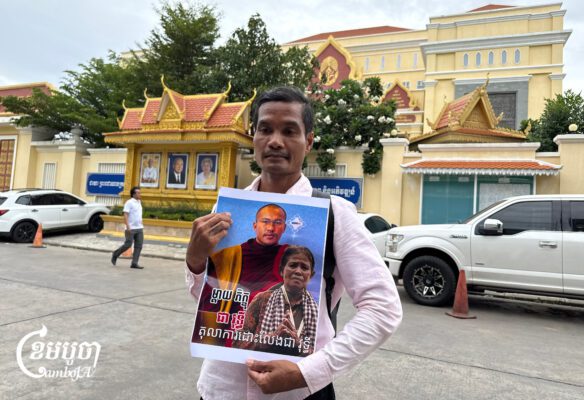
CIVICUS flagged several recent cases rights groups say reflect judicial overreach, legal harassment and transnational repression. Among them was domestic worker Nuon Toeun, sentenced to two years in prison late last year over Facebook posts critical of Hun Sen after being deported to Cambodia from Malaysia. Labor activist Rong Chhun was handed a four-year sentence for incitement in May and stripped of his right to vote and run for office. His appeal is pending.
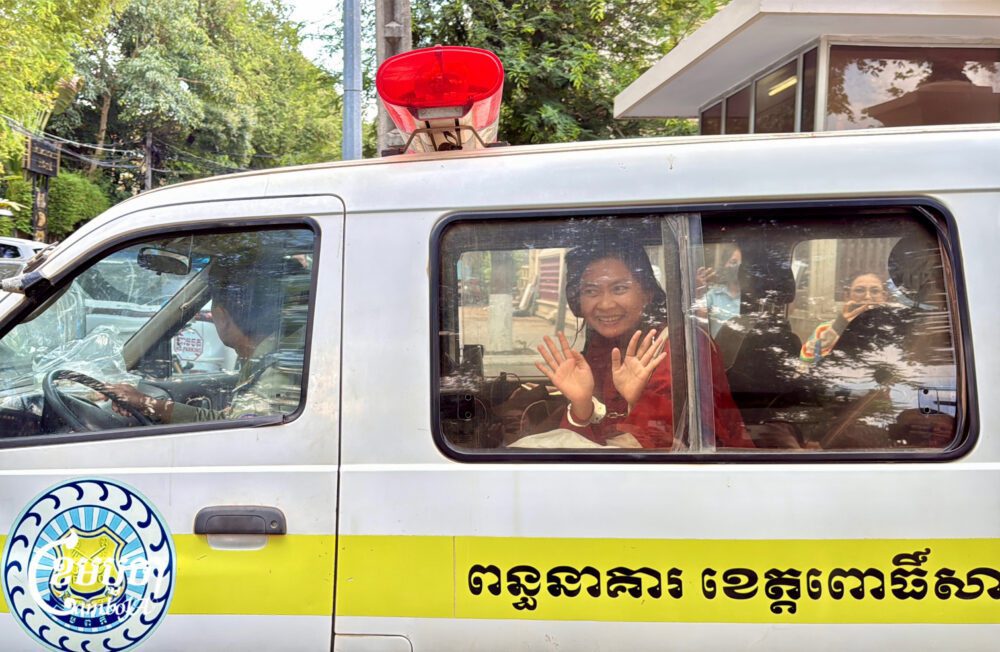
Courts also continued to deny bail to jailed activists. In 2025, members of Mother Nature Cambodia, the Khmer Student Intelligent League Association, the Cambodian Labor Confederation, Paris Peace Agreement advocates and opposition groups all had bail requests repeatedly rejected, despite charges widely condemned as politically motivated.

As of now, 55 opposition members, activists and unionists are being arbitrarily detained, according to rights group Licadho.
Am Sam Ath, Licadho’s operations director, said civic space – particularly freedom of expression – remains in flux. He noted that critics, both local and international, have long argued that the courts’ repeated denial of bail to activists and opposition figures is politically motivated rather than legally justified. This, he said, underscores the urgent need for legal and judicial reform.
Local journalists also fear reprisals for their reporting. Authorities often use penal code provisions – such as incitement charges – to arrest journalists without warrants for investigating sensitive topics, CIVICUS said.
This year, a British investigative journalist was banned and blacklisted from Cambodia, seemingly in response to his reporting on environmental crime, though the government claimed his visa was “fraudulent.” Renowned environmental reporter Ouk Mao was arrested and charged with incitement and defamation after publishing stories on deforestation.
Award-winning local journalist Mech Dara, known for his coverage of Cambodia’s cyberscam industry, was jailed for over three weeks in October last year on incitement charges over unrelated social media posts.
Press freedom group Reporters Without Borders ranks Cambodia 161 out of 180 countries in its global index, saying journalists face constant threats when reporting on issues such as corruption.
Justice Ministry spokesperson Seng Dyna declined to comment on the CIVICUS report, citing a busy schedule due to the National Assembly session that passed the draft amendment allowing authorities to revoke citizenship.
Government spokesperson Pen Bona criticized CIVICUS for “lacking global context,” saying Cambodian law applies equally to activists, journalists and politicians.
“Anyone who breaks the law must be punished, including government officials,” he said.
Bona also defended the new amendment to Article 33 of the Constitution, saying more than “150 countries have similar legislation” and that the measure will “protect social stability and peace.”
The secretary-general of the opposition Candlelight Party, which was barred from contesting the 2023 election, called for sweeping judicial reform to safeguard democracy.
“We have seen that the courts have yet to fully uphold their neutral and independent roles as outlined in the constitution among the three branches of government,” Ly Sothearayuth said.
He stressed that Cambodian courts must be impartial, particularly in political cases, and that court officials should not hold positions in any political party to prevent undue influence.
“There must be profound reforms in the justice system. Judges and prosecutors must not be active or senior members of political parties,” he said. “Corruption and nepotism must also be eradicated, as they hinder the judiciary’s independence and its ability to deliver justice.