Listen to the audio version of this article (generated by AI).
Sixteen press group associations and civil rights organizations on Friday submitted an open letter to Prime Minister Hun Manet, calling him to request the King to grant amnesty to two online journalists who were convicted of treason charges and sentenced to 14 years in jail.
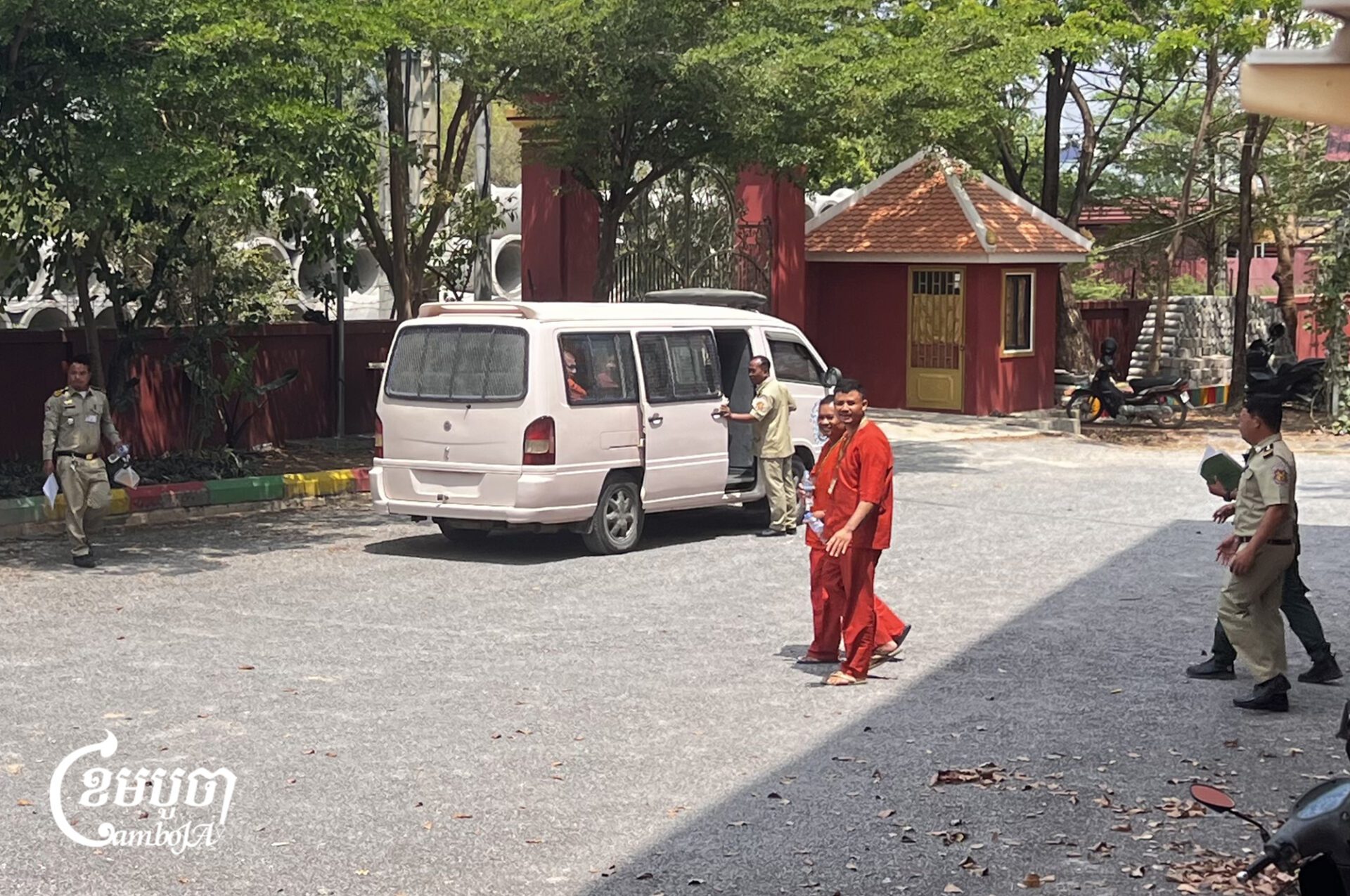
TSP 68 TV Online reporter Pheap Pheara and Battambang Post TV Online reporter Phon Sopheap were convicted by Siem Reap Provincial Court last year for “supplying a foreign state with information prejudicial to national defense”.
In June this year, the Supreme Court upheld their conviction which has been condemned by dozens of Cambodian and international press organizations as it has led to the shrinking of press freedom amid border dispute reporting.
“We respectfully ask Samdech Moha Borvor Thipadie Hun Manet […] to exercise this authority by submitting a request to His Majesty the King to grant amnesty to Phon Sopheap and Pheap Pheara,” read the open letter.
The granting of clemency would enable them to regain their liberty, reunite with their families, and resume their professional work as journalists.
The case represents one of the most serious actions against journalists in Cambodia and raises significant concerns about freedom of expression, press freedom and the use of national security laws against members of the media, the letter continued.
The two journalists, who were arrested after deadly border clashes between Cambodia and Thailand in July last year, took selfies with Cambodian troops, including one image allegedly showing landmines in the background.
Thai media later circulated the photo with a caption linking Thailand’s claim that Cambodia had laid new landmines along the border that wounded Thai soldiers. Cambodia vehemently denied laying new mines during the conflict.
Sopheap’s wife, Hong Tha, welcomed the group’s request for royal pardon, saying that he is innocent, and hoping that it would lead to his release soon.
“I am very happy [about the request] and would like to [also] request Samdech Hun Manet to pardon my husband,” Tha said. “He [Sopheap] had no intention of committing the offence of providing information to a foreign state.”
With her husband imprisoned, she has been struggling to support their three children, aged three, 18 and 23, and repaying a bank loan of about $400 per month.
She said she earns a small income from selling fruit in their village in Banteay Meanchey province.
Her oldest daughter dropped out of the second year of her university education and is now working in a garment factory in Phnom Penh to help support the family.
Meanwhile, Pheara’s wife Om Sarath said that her husband is innocent. “Fourteen years in jail is very long. He didn’t commit what he was charged for [treason] as he had just contributed gifts,” she said.
Sarath and Pheara have two daughters, aged 21 months and nine, and she is now saddled with the responsibility of repaying a 300,000 riel or about $75 bank debt.
Nop Vy, Executive Director of Cambodian Journalists Alliance Association, which is one of the 16 press associations that submitted the open letter, said that “everyone knows the role of the prime minister in recommending royal clemency from the king for the two journalists”.
“We need the media and we need to do things to expose the government [which] has [received] criticism,” he said, stressing that 14 years jail is “really unjust” for Pheap and Pheara.
Government spokesperson Pen Bona referred questions to Prime Minister Hun Manet’s spokesperson Meas Sophorn, but the latter could not be reached for comment.
More than 30 individuals including opposition figures, activists, and journalists were arrested between July 2025 and February 2026 over social media posts related to Cambodia’s border clashes with Thailand, which broke out in July and flared again in December before a ceasefire was reached.
Cambodia ranked among the world’s lowest-performing countries in a global rule of law index last year, scoring 161 out of 181 countries in the 2025 press freedom index. The government has repeatedly criticized critical reports from international rights groups as biased.