Listen to the audio version of this article (generated by AI).
Thailand’s Senate committee for the second time urged scrapping a decades-old border survey pact with Cambodia, Thai media reported on Tuesday, just over two weeks after Bangkok ditched a separate agreement on joint energy exploration and overlapping maritime claims.
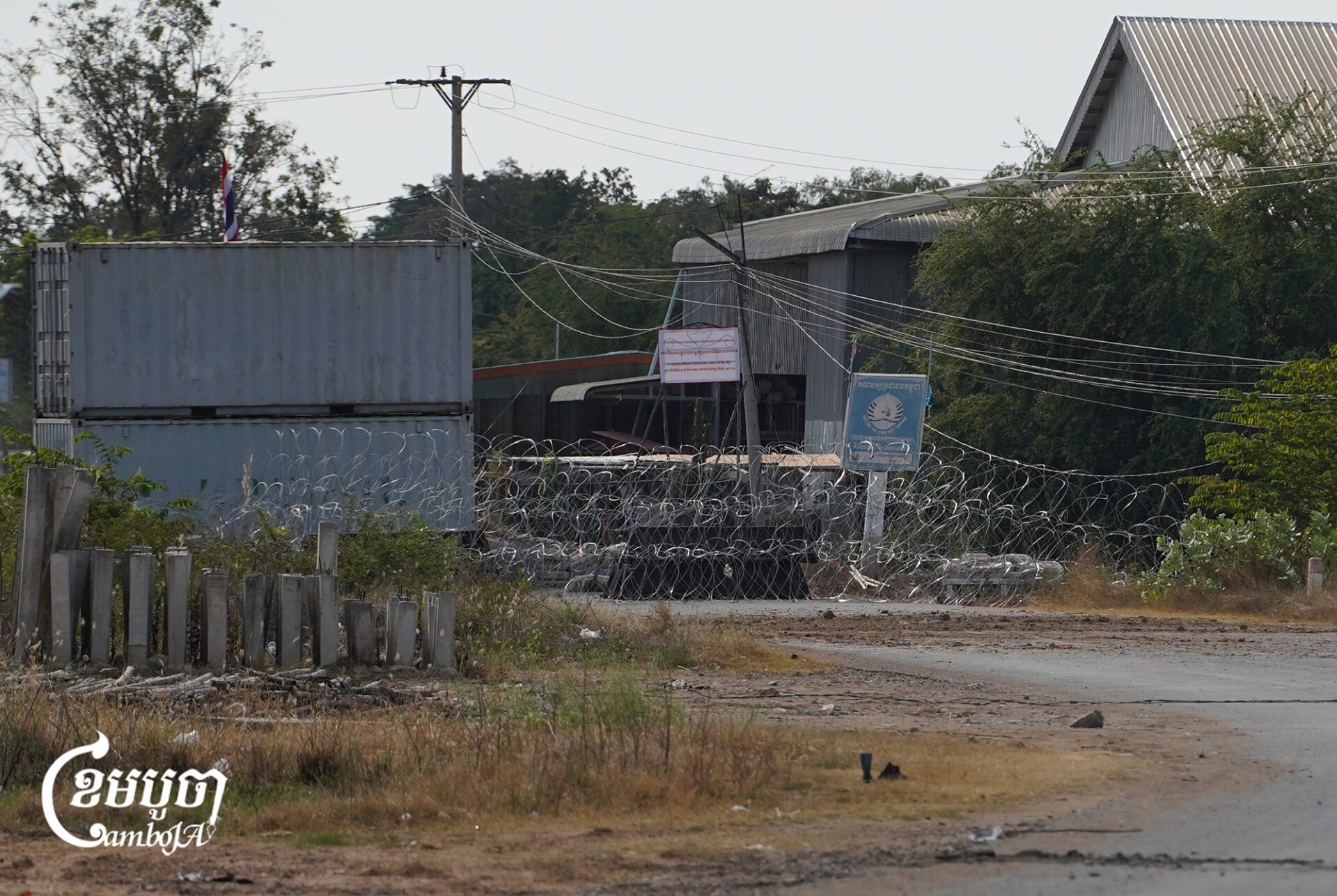
The agreement, known as MoU 2000, regained relevance after deadly border clashes between the neighbors last year that killed over 100 people and displaced hundreds of thousands.
The latest push followed a similar recommendation in March, when a Thai Senate committee described the MoU 2000 as flawed and accused Cambodia of relying on improper maps.
Cambodia has dismissed the calls as politically motivated and said they undermined stability and the work of the two countries’ Joint Boundary Commission.
“Cambodia does not recognize any change in the border line resulting from the use of force,” Cambodian government spokesperson Pen Bona said.
He said Cambodia remained committed to protecting the Thai-Cambodian border based on French colonial-era maps, citing international law and the principle of uti possidetis juris, which preserves colonial-era borders after independence.
Lam Chea, Cambodia’s minister in charge of the State Secretariat of Border Affairs, did not immediately respond to a request for comment.
According to Thai media, the proposal raised during a Senate session argued the MoU 2000 lacked proper constitutional approval and had made little progress in border demarcation over the past 26 years. The committee also opposed the use of disputed French colonial-era maps long contested by Thailand.
Thai senators reportedly said the agreement could be revoked with three months’ notice to Cambodia, though some warned the move could weaken bilateral dispute mechanisms and lead to international arbitration. The Senate agreed to forward the committee’s recommendations to the cabinet for consideration.
Thailand has historically rejected Cambodian efforts to settle border disputes through international mechanisms.
Earlier this month, Bangkok scrapped a 2001 pact on joint energy exploration in the Gulf of Thailand covering overlapping maritime claims with Cambodia. Cambodian Prime Minister Hun Manet called the decision “regretful” and said Phnom Penh would pursue maritime boundary settlement mechanisms under the United Nations Convention on the Law of the Sea, or UNCLOS.
Political analysts from both countries have previously warned of risks to stability if bilateral agreements unravel.
Kin Phea, director general of the International Relations Institute at the Royal Academy of Cambodia, said the committee’s move appeared aimed at strengthening Thailand’s position and maintaining control in border areas following the ceasefire.
He said the move could damage Thailand’s credibility and undermine trust among other countries in its commitment to honoring agreements.