Listen to the audio version of this article (generated by AI).
Some 30% of 147 youths in a survey on risks faced by children and young people were found to have been exposed to online sexual exploitation, while 52% said they have encountered online scams, according to World Hope Cambodia.
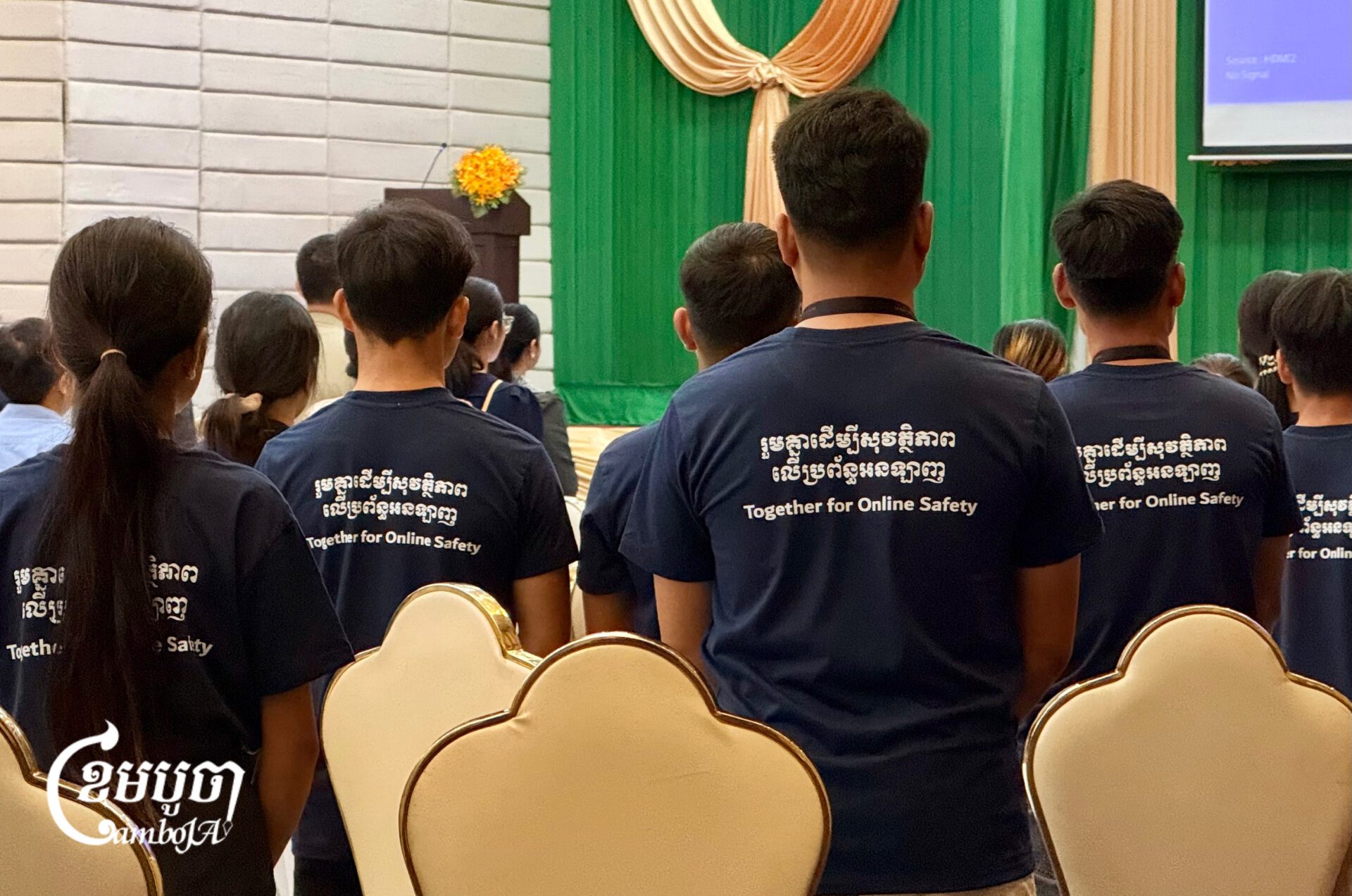
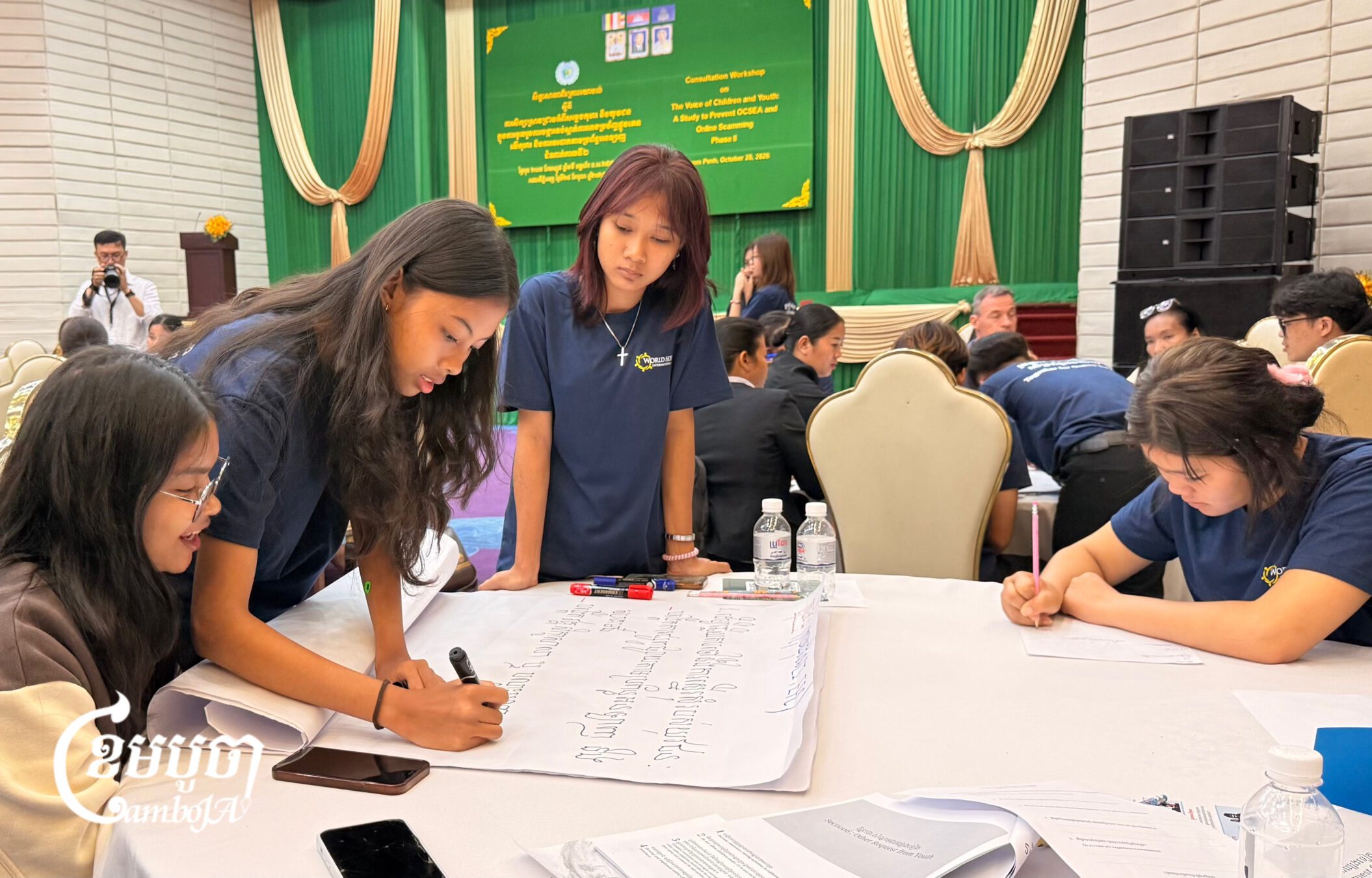
The organization held a consultation workshop on online child sexual exploitation and abuse (OCSEA) and online scams on the morning of October 28, bringing together 120 stakeholders to present their research findings, gather feedback and develop action plans based on youth-led research.
The workshop also aimed to strengthen networks among youth leaders and youth organizations across Cambodia and encourage young people to promote positive online behavior and protect children in their communities.
A 2026 youth-led study titled Youth Voices to Prevent Online Child Sexual Exploitation and Abuse (OCSEA) and Online Scams in Cambodia, coordinated by World Hope International’s Cambodia, highlighted the risks facing children and young people.
The findings indicated that OCSEA and online scams remain serious and growing concerns in Cambodia. Children and young people face heightened risks because of limited digital safety knowledge, high levels of trust in online interactions, insufficient parental supervision, psychological vulnerabilities and economic pressures.
The risks were reported in Phnom Penh, other urban areas and provincial communities. Stakeholders also reported that children aged three to 13 encountered child sexual abuse material (CSAM), while young people aged 15 to 30 were particularly vulnerable to online sexual extortion.
According to the research, online scammers use various tactics, including fraudulent links, data theft, fake job offers, prize scams and exploitation through dating applications.
“Awareness of OCSEA and online scams among children and young people remains limited, highlighting the urgent need to strengthen awareness-raising, prevention and coordinated support among stakeholders at the national and subnational levels,” the research said.
Call for stronger prevention
Pho Mariza, a youth representative involved in the research, told CamboJA News that the study covered Phnom Penh and Mondulkiri province and surveyed about 520 people.
Of those surveyed, 219 reported experiencing online sexual exploitation. About 300 respondents had encountered online scams, and 60% of that group did not know where to seek help, she said.
Mariza warned that without a coordinated, systemic response, children and young people would continue to face the consequences of online exploitation and scams, while awareness, help-seeking and responses to these problems remain limited.
“We should increase public awareness, particularly through relevant government ministries, including by providing training in schools and using the media to help children and young people understand the risks and protect themselves,” she said.
She hoped that stakeholders would use the research findings to respond to and prevent online sexual exploitation and scams targeting children and young people in Cambodia.
“I want to see children and young people safe online and empowered to take part in preventing these problems,” Mariza said.
Coordinated response
Nhep Sopheap, secretary of state for the Ministry of Social Affairs, Veterans and Youth Rehabilitation, said online abuse, and exploitation of children and young people is a global problem that is also affecting Cambodia.
She called for stakeholders, including parents and guardians, civil society organizations, law enforcement agencies and technology companies to jointly prevent abuse, combat exploitation and protect children.
With expanding internet access in Cambodia, children and young people are increasingly going online. A recent global study on online child sexual exploitation in Cambodia found that more than 80% of children, aged 12 to 17, were using the internet and connecting online more frequently than adults, she said.
The scale of harm to children and young people underscored the need for physical and psychological rehabilitation, with support from parents and guardians, specialists and communities.
Sopheap said the Cambodia National Council for Children had developed a 2021-2025 action plan to prevent and respond to online child sexual exploitation and abuse.
Her ministry has also implemented a family campaign to raise awareness, prevent violence, avoid unnecessary separation of children from their families and combat online child sexual exploitation.
“We are preparing a draft child protection law that will cover the protection of children from abuse and exploitation, including abuse committed online,” Sopheap said.
She expressed hope that partnerships among stakeholders would address the problems and build a safer digital future for Cambodian children and young people.
“I hope through our partnership, we can address these problems and move toward a future of hope and safety for children and young people in Cambodia. Let us all work together for digital safety,” she said.
Broader cooperation
According to UNICEF Cambodia, over 160,000 children in the country have experienced online sexual abuse and exploitation.
A UNICEF report estimated that about 20 million children from the age of 12 to 17 across 21 countries — or one in five — experienced technology-facilitated sexual exploitation and abuse in a single year.
The report, Through Children’s Eyes: How Digital Technologies Enable Child Sexual Abuse, released September 3 drew on nationally representative surveys of about 21,000 internet-using children and their firsthand accounts of abuse.
Cambodia was among 12 countries included in the first round of research conducted in 2020 and 2021 under the Safe Online-funded Disrupting Harm project.
Emelita Santos Goddard, country director of World Hope International, told CamboJA News that online child sexual exploitation and online scams were growing concerns, with research showing that young people were increasingly vulnerable to exploitation.
She said the findings were based on a three-week study involving more than 520 young people in Phnom Penh and Mondulkiri province. About 70% of participants expressed a willingness to take action against the problems, which she described as both a challenge and an opportunity.
“It’s a concern that youths themselves are victimized or exploited, but also a joy that there is an opportunity for the youth themselves to take action,” Goddard said.
World Hope International plans to focus on Phnom Penh and Mondulkiri while working with civil society organizations and government agencies to expand its reach, she said.
Developing accessible online tools could help children and young people protect themselves, Goddard said, adding that online exploitation was a problem that extended beyond Cambodia.
She also called for stronger government coordination in planning and budgeting to ensure survivors of online child sexual abuse and exploitation and online scams could access support.
Local authorities, particularly at the commune and village levels, need greater capacity and involvement in these efforts, she said.
“If we empower them and strengthen them, they will make a big difference,” Goddard said, referring to grassroots officials.
Research by International Justice Mission and data from the U.S. National Center for Missing and Exploited Children has linked global cases of child sexual extortion and exploitation to cyber scam compounds and human trafficking operations in Cambodia, Myanmar and Laos.