Listen to the audio version of this article (generated by AI).
Summary:
- Yeak Laom Lake and surrounding 225-hectare forest are home to thousands of Indigenous Tampuan and have been protected since 2019.
- Local communities fear that new investment projects in the northeast, including tourism and agro-industry, could revive land grabs.
- Government officials deny plans for Yeak Laom but say any future projects would require consultation with local communities.
Nearly a decade after plans to develop Ratanakiri’s protected Yeak Laom Lake were blocked, Indigenous communities are worried that a new investment drive in Cambodia’s northeast, which promises hundreds of millions of dollars and thousands of jobs in tourism and agro-industry, could revive land grabs.
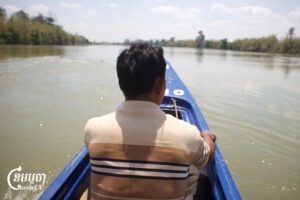
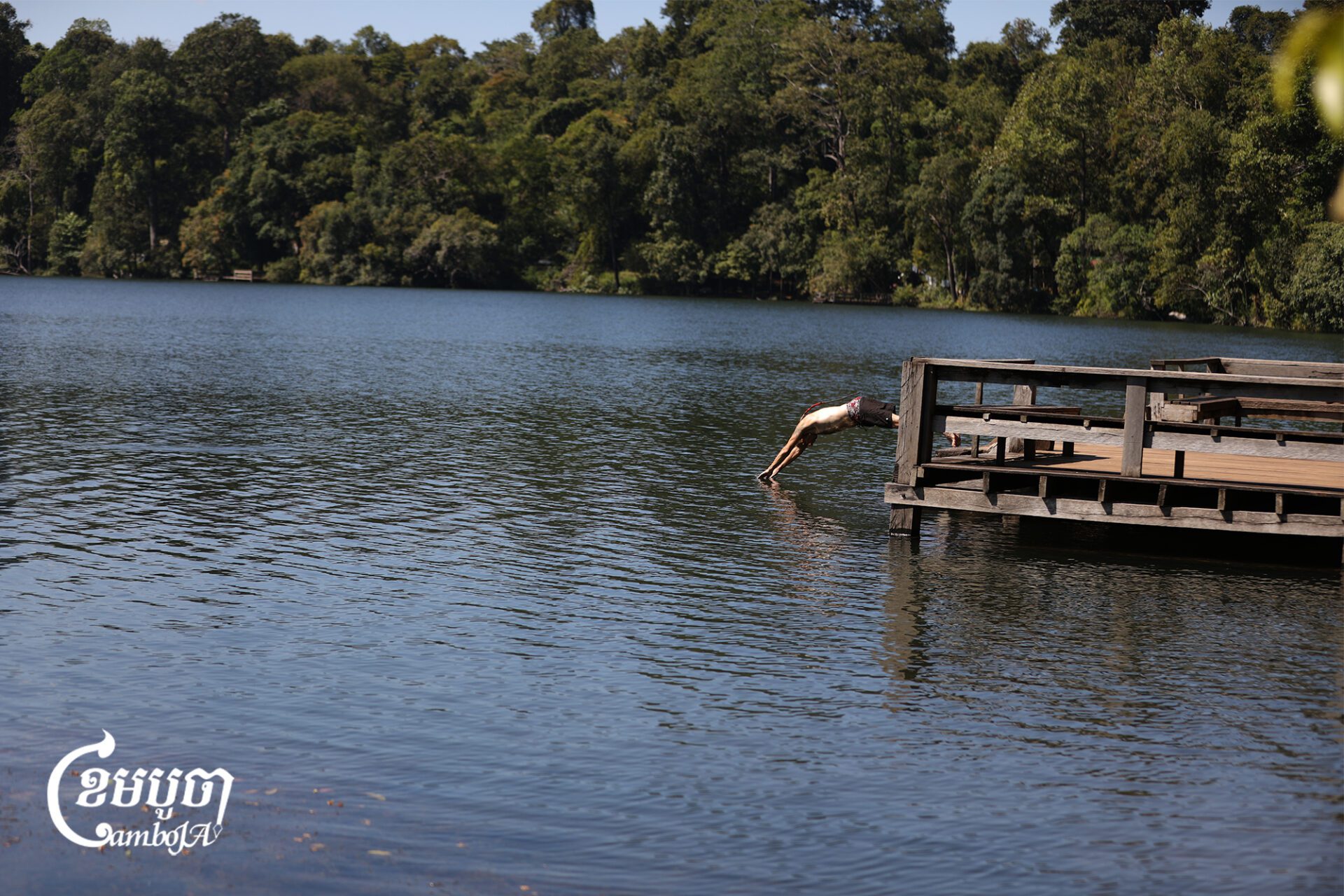
Located on the outskirts of Bunlung city, the volcanic crater lake and surrounding forest span about 225 hectares (556 acres) and are home to thousands of Indigenous Tampuan. While officially protected since 2019 and promoted as a major tourism site, community members say the area holds far deeper cultural and spiritual significance.
The community has managed the site since 1998, according to Yeak Laom Committee Vice President Ven Churk, who spoke with CamboJA News in December. He recalled a previous attempt to privatize the lake in 2018 for a resort project, which was later denied. At the time, many feared the community protected area could meet the same fate as nearby Phnom Youl, another sacred Tampuan site leased to conglomerate BVB in 2008 for tourism.
The project has been stalled for nearly two decades, and Indigenous communities continue to face restricted access to forest land and non-timber forest products, Churk said.
Now nearly a year into the government’s three-year Special Program to Promote Investment in the Four Northeastern Provinces, or SPIN Program, aimed at attracting agriculture, agro-industry and tourism projects across Stung Treng, Kratie, Ratanakiri, and Mondulkiri provinces, past social and environmental impacts from similar development projects are fueling unease among locals.
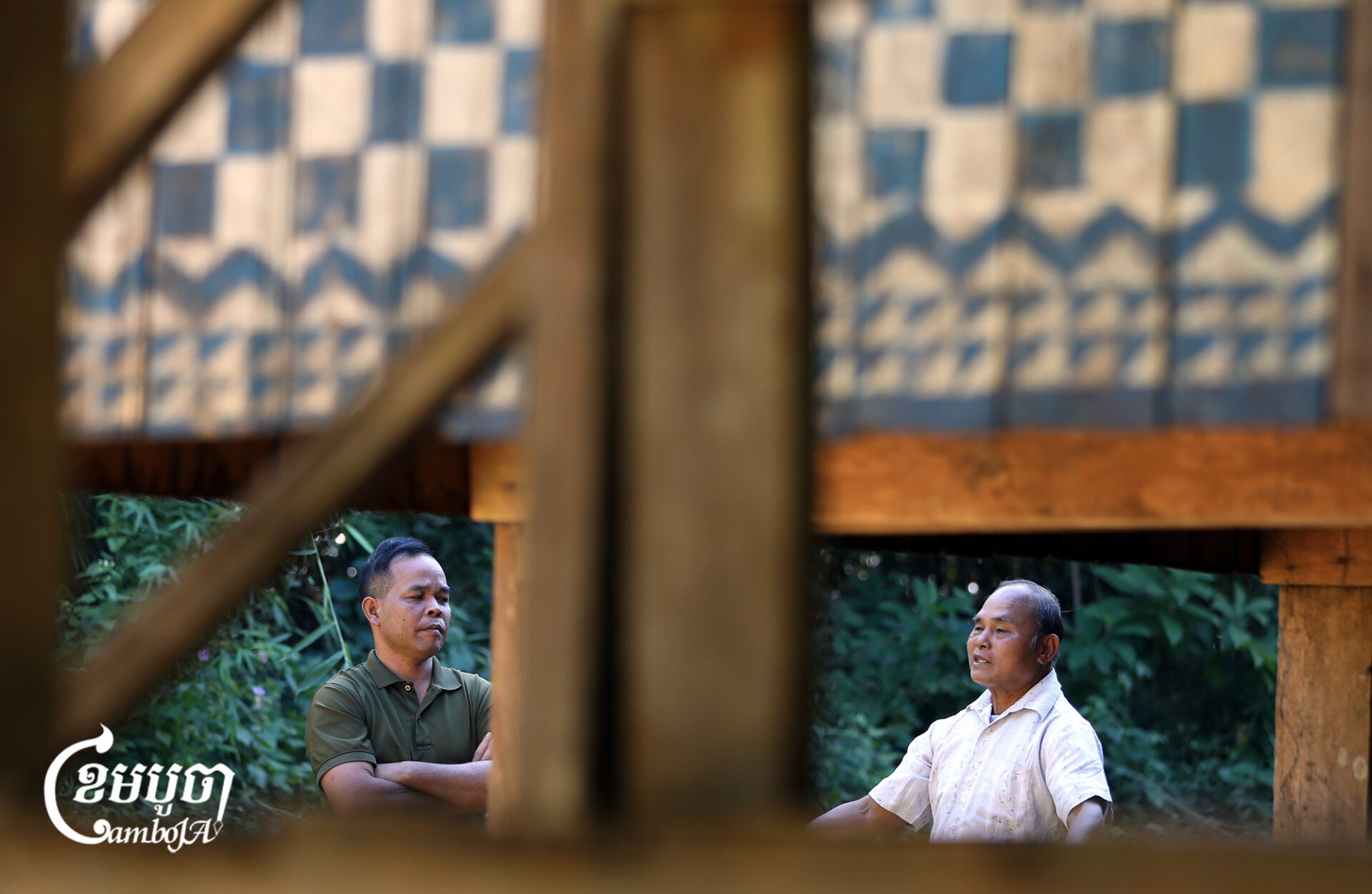
Churk said fear resurfaced after officials raised the possibility of handing the lake to a private company during annual meetings with the Ministry of Environment (MoE) in 2023.
Ministry of Economy and Finance (MEF) spokesperson Meas Soksensan, whose ministry leads the SPIN Program, denied any investment plans for Yeak Laom and said any future development would require consultation and consent from the community.
MoE said it had no information, but its Ratanakiri department spokesperson, Phon Khemrin, also denied any planned investment in the protected area.
Authorities advertise the program as bringing more than 12,700 jobs and nearly $667 million in investment to the four provinces.
Thirteen projects have been approved since SPIN launched in 2025, many in agro-industry, and scheduled to break ground this year, according to a post on its Facebook page.
In August last year, a working group inspected potential sites for three investment projects in Ratanakiri.
One of the inspected sites was Chry Village in Yeak Laom commune, one of five villages surrounding the lake and whose residents hold the rights to manage and protect the area.
Churk and Yeak Laom’s first deputy commune chief, Seng Thong, said the committee was unaware of the inspection and had not been told of any related investment plans.

Limited consultation and land grabs in Indigenous and rural communities, as well as in protected areas for commercial projects, have been systemic in Cambodia for decades, along with the resulting environmental damage, rights groups say.
In Ratanakiri, several Indigenous lands and community protected areas have been overrun by monoculture estates and extractive industries. Large plantations have also sparked concerns over deforestation and alleged unsafe working conditions.
Three SPIN projects have been approved in Ratanakiri, though few details on their location or sector have been made public. Only 300 hectares (around 741 acres) set aside for the agriculture arm of Vietnamese conglomerate THACO, to grow an agro-park in an undisclosed location, have been publicly identified.
The firm already operates thousands of hectares of banana and other crop plantations within Lumphat Wildlife Sanctuary further south, in an area the government has deemed a “sustainable use zone.”
“The community is deeply concerned,” Churk said, referring to the recently approved projects in the province. “They fear that once a company comes in, they will lose everything – be pushed out, replaced by outsiders, and left with nothing but anxiety.”

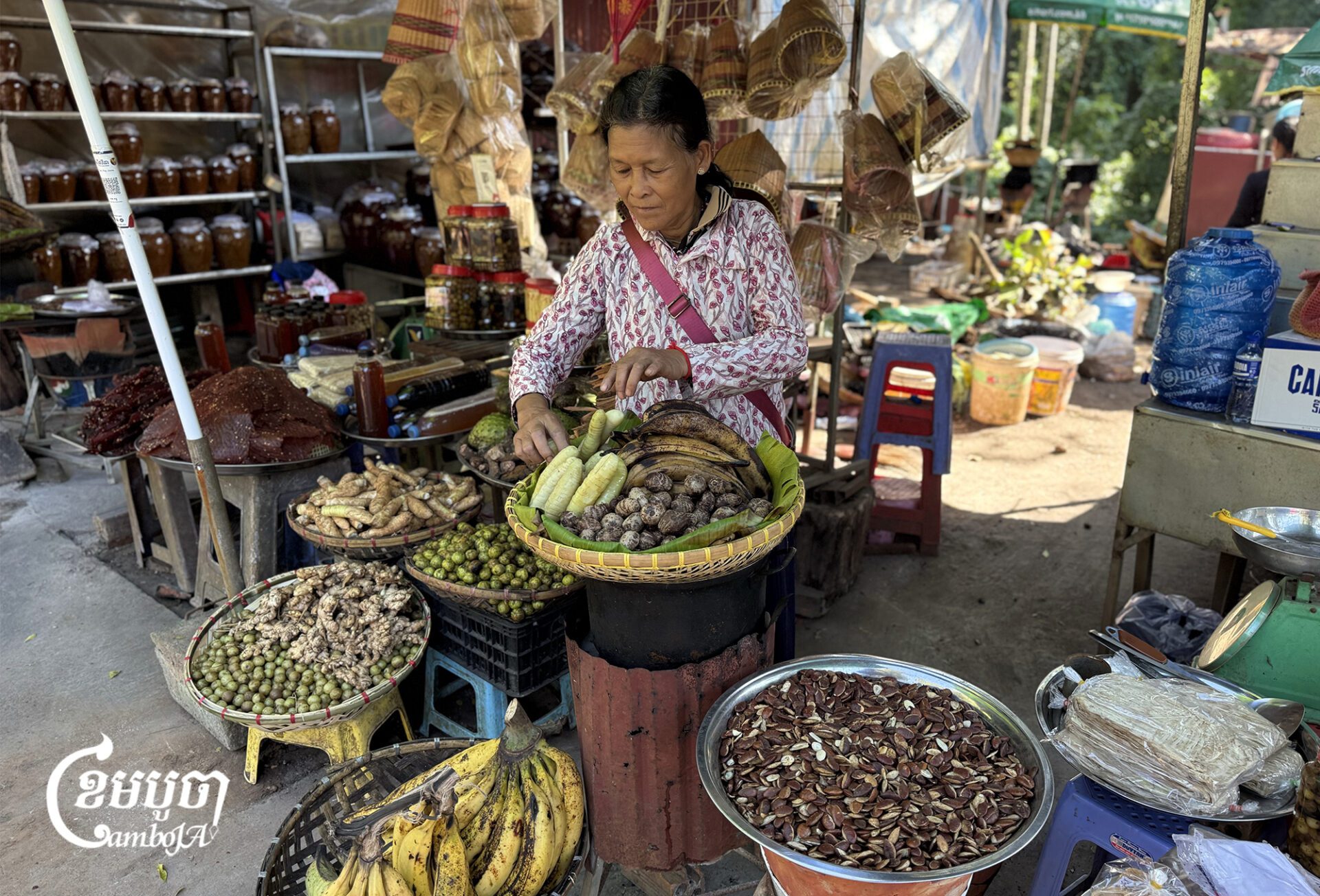
Nhory Ping, a Tampuan woman who has sold goods at Yeak Laom Lake for a decade, said she earns about 30,000 riels (just over $7) a day to support her family. She fears private vendors may take over if a commercial project is ever approved.
Churk pointed to BVB Investment Corporation’s long-stalled development at Phnom Youl, which he said had promised jobs and forest protection. Those jobs never came, parts of the forest were depleted, and the community was largely barred from the area, according to Churk.
Calls to the phone number listed for BVB in the Ministry of Commerce’s business registration database went unanswered.
CamboJA News also called the SPIN Program’s registered office in Ratanakiri several times but could not reach it for comment.
Both Ratanakiri MoE spokesperson Khemrin and MEF spokesperson Soksensan insisted that no projects are planned for Yeak Laom Lake, but did not immediately respond to follow-up questions on whether private companies have been approved to operate within Yeak Laom commune.
Khemrin said that if any project were proposed in the province or near the lake, the government would consult Indigenous communities and other relevant parties in the “national interest.” He added that the lake will eventually need infrastructure upgrades, such as paving dirt roads, which he said would benefit the community.
Tampuan villagers said they are open to development but not at the expense of conservation.
“Development can be good, but without conservation it becomes a loss,” said Thong. “I am afraid of losing our culture and traditions.”
Meas Haoen, another Tampuan elder and spiritual leader, said the lake brings the community together as a gathering place and spiritual site they believe protects residents. “Tampuan Indigenous people will always manage this lake,” he said, adding that they do not seek large-scale development.
“We will not hand it over to any company,” he said. “It will continue to be passed down through generations in our five villages. This kind of development and conservation is already enough for us.”
While Indigenous leaders said they are confident in their ability to maintain the community protected area, other groups noted that progress has been constrained by limited funds.
Sompoy Chansophea, a project officer at the Cambodian Indigenous Youth Association, said progress in Yeak Laom commune has been slow not because of community management, but because the area lacks adequate financial support.
“If the state has plans and funding, they should support Indigenous communities to develop while they retain ownership and control over income,” he said. “Projects that are not managed by the community will not benefit the five villages.”
Past projects that bypassed Indigenous communities’ management style have left the Tampuan wary, even as authorities say the lake is off-limits to commercial development. But without further confirmation on the three SPIN projects set to break ground in Ratanakiri, questions remain over whether community land could be affected and what jobs, if any, will materialize.
(Additional reporting by Try Thaney)