Listen to the audio version of this article (generated by AI).
A new Amnesty International report alleges Cambodia’s crackdown on online scam compounds failed to identify trafficking victims, while criminal networks continued to evade raids and survivors endured abuses including sexual violence.
The report, released on Monday, is based on interviews with 73 survivors trafficked into scam compounds in Cambodia from 16 countries between July 2025 and April, the rights group said.
Amnesty alleges apparent collusion between authorities and criminal groups allowed compounds to evade raids, documents multiple accounts of sexual violence and says none of the survivors interviewed were screened for signs of human trafficking or formally identified as victims by authorities.
“The Cambodian government has carefully managed the optics of its scamming crackdown, but behind every headline about a compound raid or arrest are survivors of slavery, torture and rape left with almost no support,” Amnesty International Co-Regional Director Montse Ferrer said in a statement.
Chhay Kim Khoeun, a spokesperson for the National Police, said authorities follow established procedures to investigate and identify people found during operations against scam compounds. He said officials separate victims from perpetrators through questioning and provide accommodation and food during the identification process.
“We have all done identification. We have not done it carelessly,” he said, adding that there may have been “some shortcomings due to the large number of people and language problems,” but that legal procedures had not been violated.
The report comes as Cambodia presses ahead with a nationwide crackdown on the multibillion-dollar online scam industry, which the United Nations estimates relies on hundreds of thousands of trafficked, forced or coerced workers, amid mounting international scrutiny and sanctions.
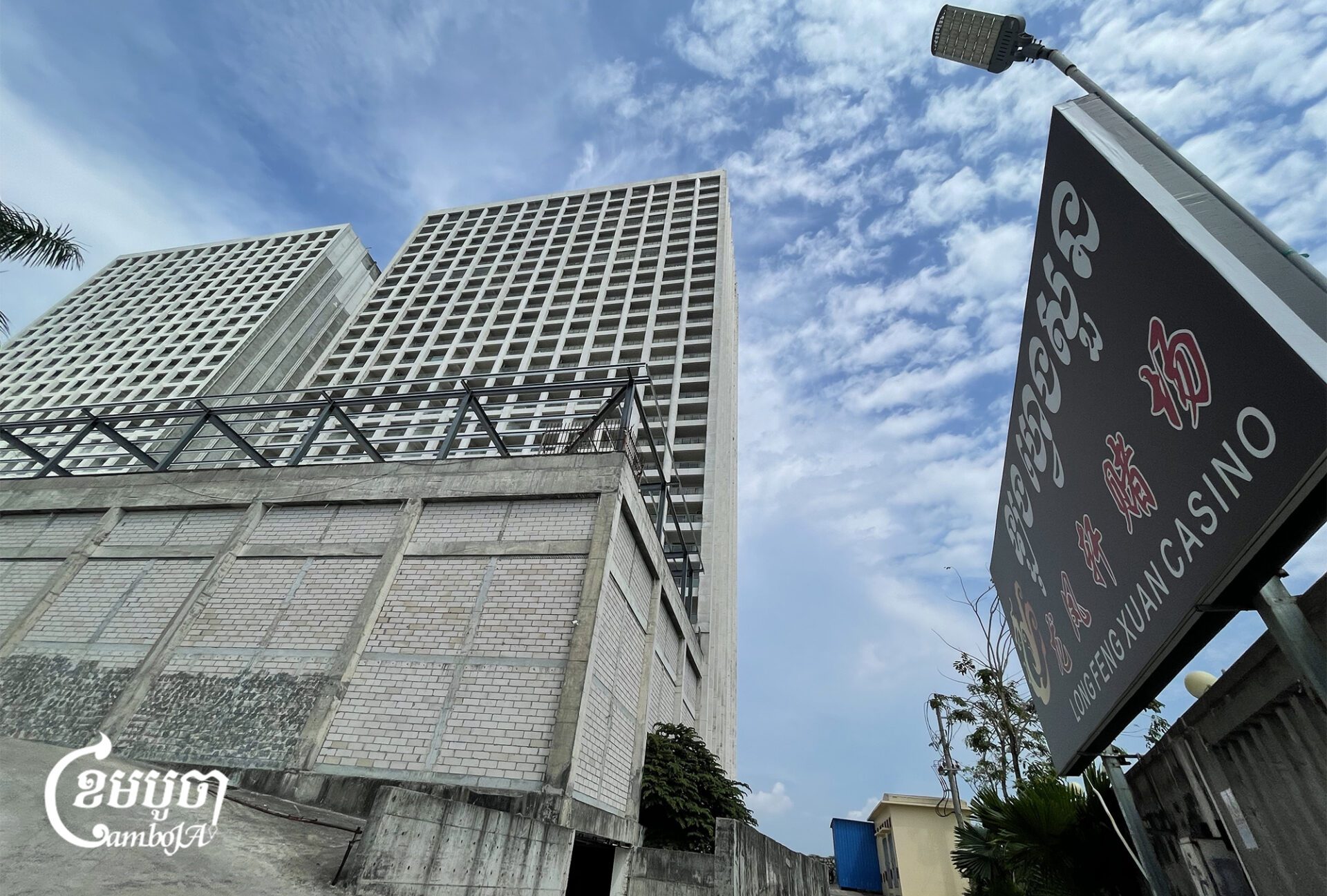
In a June 2025 report, Amnesty identified 53 scam compounds in Cambodia that it said were linked to human trafficking, forced labor, slavery and torture by organized criminal groups. The latest report identifies another 33 sites, bringing the total to 86.
Amnesty said it found evidence of state intervention at only 24 of the compounds and documented mass releases or escapes from seven others.
Some survivors interviewed for the report said police regularly visited a scam compound in Prey Veng province, including to “remove bodies and drink coffee with managers,” while Amnesty said it found no evidence of enforcement action against the site.
The government has said it shut down more than 250 scam operations and closed 91 casinos between July 2025 and mid-April. It also said more than 240,000 foreign nationals had “voluntarily” left Cambodia during that period in connection with scam operations, while more than 13,000 others were deported, though it did not specify how many may have been trafficked or coerced.
Amnesty questioned those figures, citing limited transparency and evidence, and said its findings raised concerns about the effectiveness of the crackdown and its impact on survivors.
Government spokesperson Pen Bona said authorities had actively intensified efforts to combat online scams and had achieved significant results.
“Cambodia is doing this for the benefit of the nation and the Cambodian people, not to please any organization,” he said, referring to Amnesty.
He cited repeated directives from Prime Minister Hun Manet and Senate President Hun Sen to officials at all levels to eradicate the operations.
While thousands of people had been released from scam compounds, Ferrer said many victims were left homeless or detained in overcrowded immigration centers, with some reporting extortion and threats by police and inadequate support from their embassies.
*This story was updated after government spokesperson Pen Bona responded to the report.