Listen to the audio version of this article (generated by AI).
The United States on Tuesday sanctioned nine individuals and 26 entities it said were linked to the Prince Group, which it has designated a transnational criminal organization, in the latest U.S. action targeting individuals and companies tied to Cambodia’s multibillion-dollar online scam industry.
The Treasury Department’s Office of Foreign Assets Control (OFAC) said the sanctions were intended to further disrupt the Prince Group, a Cambodian conglomerate sanctioned by the U.S. and Britain last year over its alleged involvement in online scam operations, human trafficking and money laundering.
The Prince Group did not immediately respond to a request for comment sent to an email address listed on an archived version of its website, which is no longer accessible. It has previously denied the allegations.
“Scam centers in Southeast Asia steal billions of dollars from American victims each year,” Treasury Secretary Scott Bessent said in a statement. “The Trump Administration is united in its efforts to dismantle these overseas criminal enterprises, and Treasury will continue using its tools to disrupt the networks behind this egregious fraud and protect Americans.”
The latest designations target companies in Cambodia, the British Virgin Islands, Hong Kong, Britain, Thailand and Singapore that U.S. authorities said were tied to Prince Group leadership, investors in scam compounds and front companies.
Among those sanctioned was Hu Xiaowei, whom U.S. authorities described as Prince Group’s second-in-command after founder Chen Zhi, who Cambodian authorities extradited to China earlier this year. OFAC also designated nearly a dozen companies linked to Hu in Hong Kong, Singapore and the British Virgin Islands.
One of those firms, Future Wind Financial Company Limited, received millions of dollars from victims of cryptocurrency investment scams, according to the Treasury Department. Hu was recently arrested in Osaka, Japan.
Several Hong Kong-based associates of Hu who allegedly helped manage his network of companies were also designated, along with 11 British companies controlled by one of those associates, Kong Ka On.
The sanctions also targeted alleged scam-compound investors Brendon Luo and Qiu Weiren, as well as Dai An, whom OFAC described as a senior Prince Group leader.
Fang Zhizhen was designated for allegedly operating Prince Group’s online payment gateways used in scams.
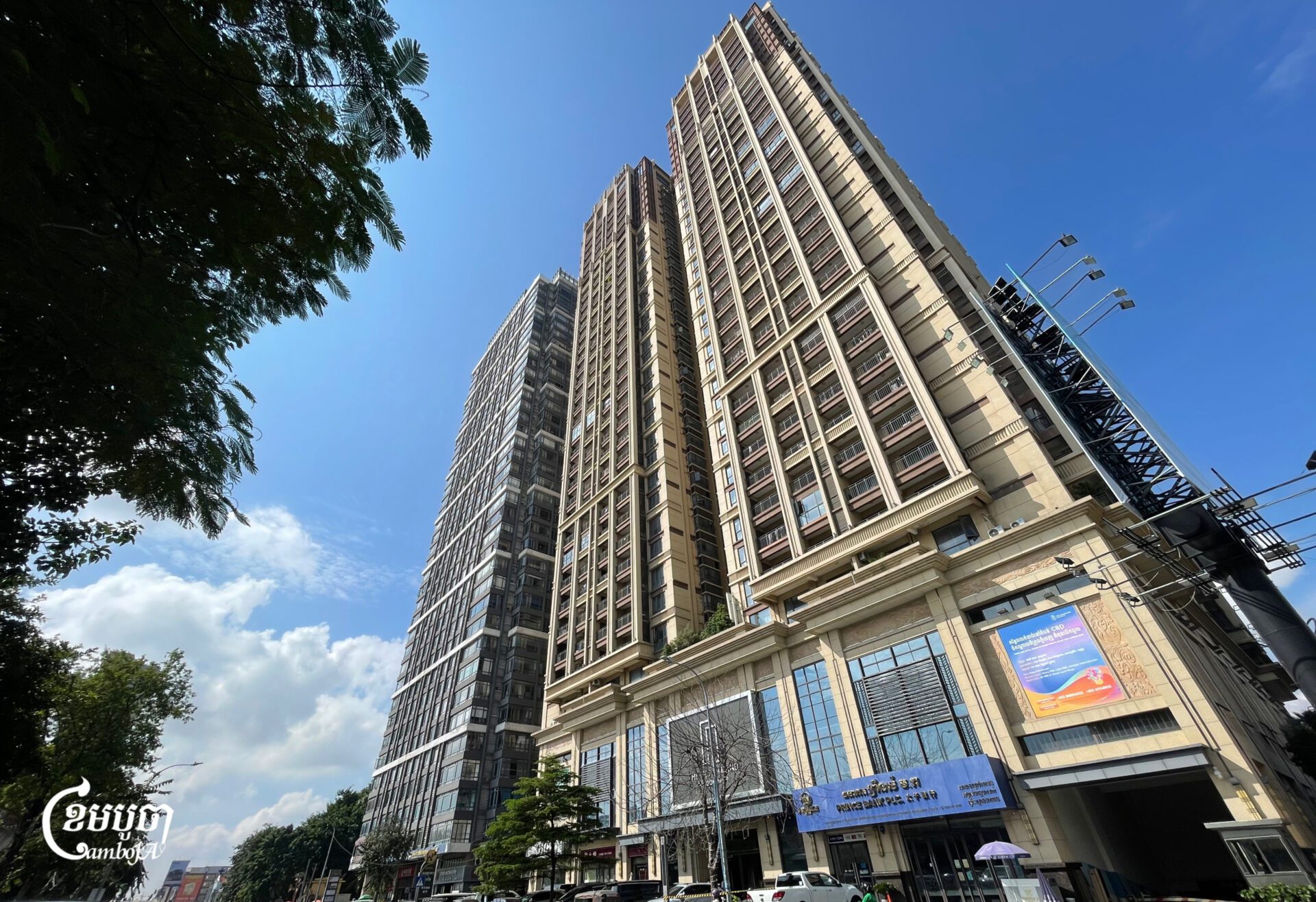
Chen Bo, a director of several sanctioned Prince Group entities, was also designated, along with companies he owns or controls, including Cambodia’s CCU Commercial Bank.
The designation of CCU makes it the sixth Cambodian bank to be sanctioned by the U.S., shut down or placed into liquidation over alleged links to cyberfraud.
CCU did not immediately respond to a request for comment.
Thailand-based White Horse Hotel Management Group Co. Ltd., a hotel company controlled by Yang Yanming, who was sanctioned in October for alleged involvement in scam operations, was also designated.
The Financial Crimes Enforcement Network (FinCEN) also proposed expanding an October order targeting Cambodia-based Huione Group to include H-Pay Service, the rebranded successor to Huione Pay.
U.S. authorities have described Huione Pay as a critical node for laundering billions of dollars in proceeds from cyber heists and virtual-currency investment scams. Treasury said the payment processor was used by the Prince Group, while the Justice Department said it had seized a Huione cloud-computing account.
Touch Sokhak, spokesperson for Cambodia’s Interior Ministry, did not confirm whether authorities are investigating the individuals and entities recently designated by the U.S., saying any such inquiries would be confidential.
Authorities continue to target scam operations, he said.
“We are also working closely with the FBI in accordance with the principle of sovereign equality between states,” he said. “Therefore, we cannot unilaterally determine whether these individuals have committed crimes or identify the countries in which any such crimes may have occurred.”
Tuesday’s actions build on a broader U.S. campaign over the past year targeting scam operators and their alleged enablers in Cambodia.
The Southeast Asian country has emerged as a hub for online scam operations dominated by Chinese criminal syndicates. The United Nations has estimated the industry generates tens of billions of dollars annually and employs more than 100,000 people in Cambodia, many of them trafficked or otherwise coerced into carrying out fraud schemes.
Cambodian authorities have widened a nationwide crackdown on scam compounds amid mounting international scrutiny. Rights groups and researchers, however, have criticized the effort as ineffective and said trafficking victims continue to face arrest, detention and abuse even after escaping scam centers.
Sokhak said the criticism reflected an “incomplete assessment” of the situation.
Cambodian officials have also come under increasing scrutiny. Washington has accused senior Cambodian figures of financially benefiting from human trafficking linked to scam operations and sanctioned senator Ly Yong Phat in 2024 and senator Kok An earlier this year over their alleged ties to the industry. Both men have denied the allegations.
Interior Minister Sar Sokha, who heads Cambodia’s anti-scam campaign, this month hired U.S. law and lobbying firms to counter previous sanctions recommendations for him over alleged links to the scam industry. Sokha has rejected the accusations.
*This article was updated to include comments from Interior Ministry spokesperson Touch Sokhak.